
Article: Exterior Blinds for Homeowners: Choose the Right Shades
Exterior Blinds for Homeowners: Choose the Right Shades
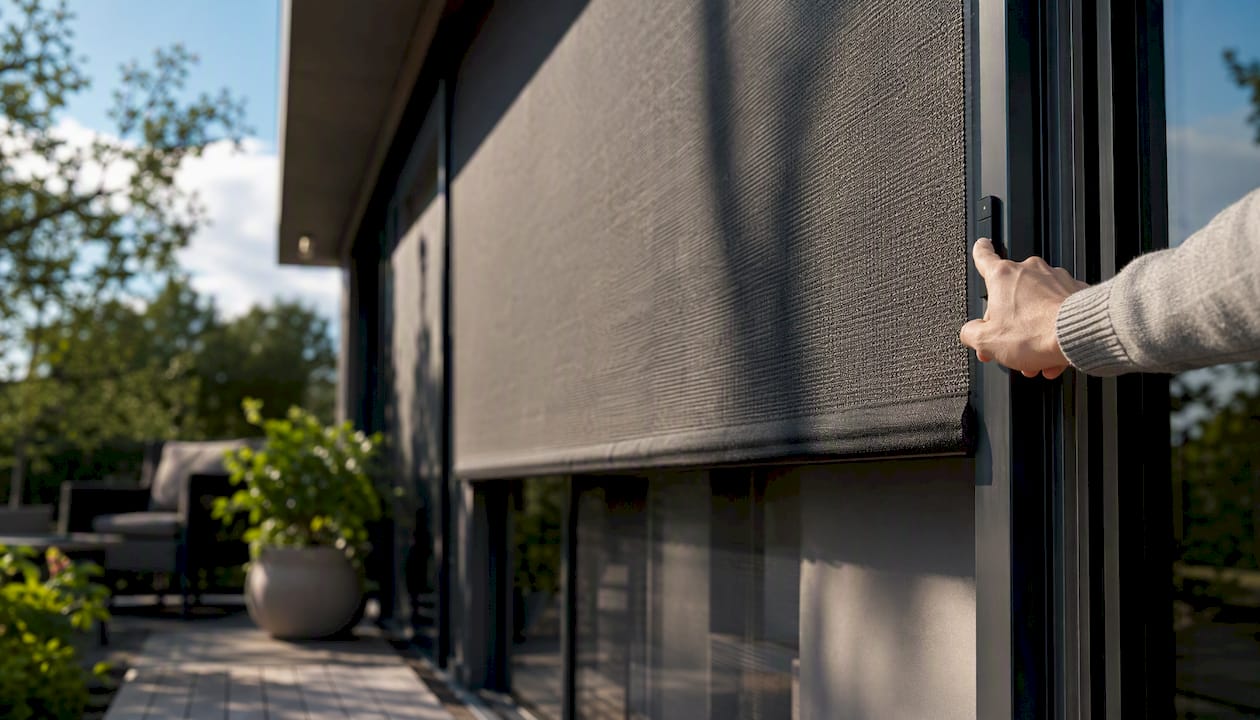
For most patios and exterior windows, a motorized exterior solar roller shade with low openness gives you the best mix of heat control, daylight, and view retention. It blocks solar heat before it ever hits your glass, keeps glare manageable, and still lets you see your backyard. 🌞
Here’s a quick breakdown of what works best where:
- Patios and porches: Exterior roller solar shades with low openness
- Large patio openings or pergolas: Zip/windproof screens for stability in exposed spots
- Sun-facing windows: Solar screens with very low openness for maximum heat rejection
- High-privacy needs: Very low openness or blackout outdoor shades
- Budget-conscious buyers: Manual roller solar shades with surface-mount brackets
For custom sizing, motorization, free fabric swatches, and real buying support, Valueblindsdirect is the go-to supplier. Their exterior shades collection covers everything from basic patio rollers to fully motorized systems with side rails.
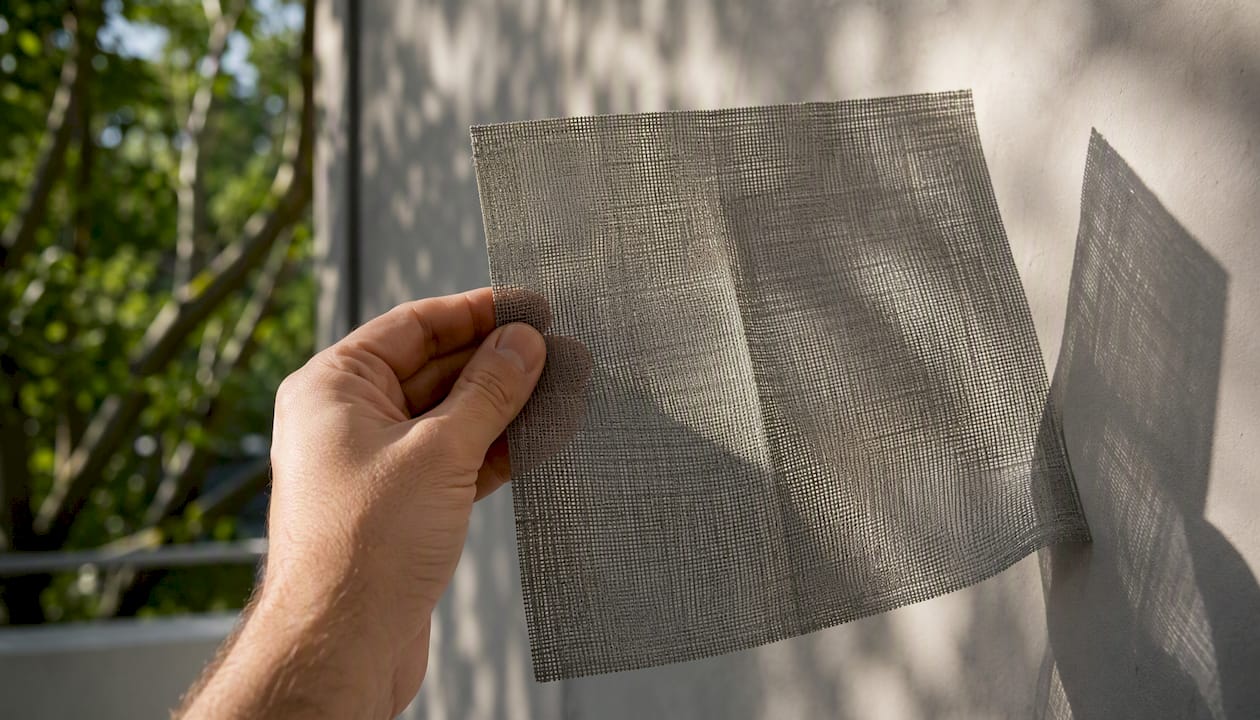
Pro Tip: Order at least two fabric swatches before you commit — what looks right on a screen often reads very differently against your actual siding and patio furniture.
Key Takeaways
homeowners — and getting the wind-exposure spec right matters more than any other single decision.
| Point | Details |
|---|---|
| Best type for most homes | Motorized exterior solar roller shade, 3–5% openness, for patios and sun-facing windows. |
| Wind exposure is critical | Specify a zip/windproof guided system for any exposed or coastal location. |
| Measure before you order | Take width and height at three points; confirm headbox depth clearance before ordering custom sizes. |
| Motorization adds real value | Battery, hardwired, or solar motors with sun/wind sensors protect the shade and automate comfort. |
| Valueblindsdirect | Offers custom exterior shades, motorized options with side rails, free swatches, and a design studio. |
Useful sources and further reading
- Window Treatment Design Studio — Valueblindsdirect: Online configuration and visualization tool for custom exterior treatments.
- Exterior Buyer’s Guide — Valueblindsdirect Blog: Deep-dive on fabric selection, measuring, and installation for exterior window shades.
- Renson Outdoor Blinds — Renson US: — Manufacturer-level detail on zip systems, wind resistance, and performance specs.
- Exterior Motorized FlexShade — Draper: Technical specs on motorized exterior systems and ANSI/WCMA child-safety compliance.
Table of Contents
- What types of exterior blinds are right for your space?
- What do exterior blinds actually do for your home?
- How fabric openness affects your view, privacy, and heat control
- How to measure for exterior blinds (and what to watch for at installation)
- Motorization, remote controls, and weather sensors
- How to choose the right exterior blind for your home
- Why Valueblindsdirect stands out for exterior shades
- Ready to find your perfect exterior shade?
What types of exterior blinds are right for your space?
Not all outdoor shading systems are built the same, and picking the wrong type for your application is the most common (and most expensive) mistake homeowners make. Here’s what’s actually available:
- Exterior roller/solar shades: The most popular choice for patios, porches, and exterior windows. Solar screen fabric rolls up into a compact headbox and mounts above the opening. Works beautifully for covered patios and sun-facing windows.
- Zip/windproof screens: A guided side-channel system that locks the fabric edge into a track. Manufacturer product pages consistently recommend these for exposed locations with prevailing winds. If your patio faces open sky or a coastal breeze, this is the type to specify.
- External venetian (aluminum) blinds: Metal slats that tilt for precise daylight control. Griesser notes these offer good wind resistance and fine-tuned light management — a strong pick for large glazing on modern homes.
- Blackout outdoor shades: Opaque fabric that blocks all light. Ideal for outdoor bedrooms, media walls, or any space where full darkness matters.
- Freestanding patio screens: No mounting required. These stand independently and work well for renters or anyone who can’t drill into a structure.
Pro Tip: Match your mounting type to the structure first. Recessed (fascia) mounts give the cleanest look but need headbox depth clearance. Surface mounts work on almost any wall. Freestanding frames need level ground and wind protection.
What do exterior blinds actually do for your home?
More than you might expect. Exterior shading blocks solar heat before it reaches your glazing, which typically delivers better cooling benefits than interior shades alone — interior shades trap heat inside the glass, while exterior ones deflect it at the source. That’s a meaningful difference on a west-facing wall in July.
Here’s what you get in practice:
- Solar heat reduction: Correctly specified exterior shades can significantly cut solar heat gain through windows and glass doors, reducing the load on your AC.
- Glare control: Even a 5% openness fabric cuts harsh afternoon glare without making your patio feel like a cave.
- View retention: Unlike solid awnings, solar screen fabrics let you see out while blocking UV — you keep the view, lose the squint.
- Extended outdoor living: A shaded patio stays usable two to three hours longer on hot afternoons. That’s real extra time outside.
- Privacy: Lower openness percentages (1–3%) make it much harder for neighbors to see in during the day, especially on ground-floor windows.
- Insect control: Some exterior roller shade systems include insect-screen variants that combine sun control with bug protection — great for open porches.
Pairing exterior shades with other building-envelope upgrades, like energy-efficient interior doors, compounds the cooling benefit across your whole home.
Solar heat callout: Exterior shading intercepts solar radiation before it enters the building envelope. When correctly specified for your climate and orientation, it can significantly reduce solar heat gain — a measurable comfort and energy benefit compared to interior-only window treatments.
How fabric openness affects your view, privacy, and heat control
Openness factor is the single most important spec decision you’ll make. It’s the percentage of open weave in the fabric — and it controls the tradeoff between view-through, privacy, and solar performance.
| Openness % | View-through | Daytime privacy | Glare reduction | Heat control |
|---|---|---|---|---|
| 1% | Very limited | Excellent | Maximum | Maximum |
| 3% | Moderate | Good | High | High |
| 5% | Clear | Moderate | Good | Good |
| — | Very clear | Low | Moderate | Moderate |
Common fabric and material types:
- PVC-coated solar screen fabric: The standard for exterior roller shades. UV-stable, moisture-resistant, and available in most openness percentages.
- Fiberglass solar screen: Slightly more rigid, excellent UV resistance, and holds its shape well in heat.
- Blackout outdoor fabric: Fully opaque, often with a reflective backing for maximum heat rejection.
- Aluminum slats (external venetians): Durable, precise tilt control, and handles wind better than fabric in open installations.
For most patios, a low openness fabric hits the sweet spot for good view, solid glare control, and meaningful heat reduction. Choose very low openness for west-facing windows that get brutal afternoon sun, or higher openness if preserving the view is your top priority and you have some natural shade already.
Pro Tip: Always order a fabric swatch and hold it up at the actual window or patio opening at the time of day you use that space most. Lighting conditions change how every fabric reads.
How to measure for exterior blinds (and what to watch for at installation)
Getting the measurements right is what separates a clean, functional install from a frustrating gap-and-flutter situation. Here’s the checklist:
Outside-mount / surface-mount measuring:
- Measure the width of the opening at three points (top, middle, bottom) — use the widest measurement.
- Measure the height from the desired top of the shade to the bottom of the opening (or floor/deck).
- Check header clearance — you need enough depth above the opening for the headbox (typically 3–5 inches depending on the system).
- Note any obstructions (door handles, light fixtures, drain pipes) that affect bracket placement.
- For recess/fascia mounts, measure the recess depth carefully — the headbox must fit inside without protruding.
Installation considerations:
- Mounting surface: Concrete, wood fascia, and aluminum all need different fastener types. Use stainless steel hardware in coastal or high-humidity environments.
- Wind and drainage: Slope the headbox slightly forward if rain pooling is a risk. For exposed locations, specify a zip-guided system.
- Clearances: Leave at least 1 inch of clearance on each side of the fabric for smooth operation.
- DIY vs. pro install: Surface-mount roller shades on wood fascia are genuinely DIY-friendly. Recessed installs in concrete or large motorized systems are worth a professional call.
⚠️ Wind warning: Standard roller shades are not rated for high-wind exposure. If your patio faces prevailing winds or you’re in a coastal area, specify a zip/windproof system with side-channel guides. An unguided shade in strong wind will flap, wear out fast, and can detach.
Pro Tip: Measure twice, order once — but also photograph your mounting surface and send it to your supplier before ordering. Valueblindsdirect’s measurement guides walk you through every step if you’re unsure.
Motorization, remote controls, and weather sensors
Motorization isn’t just a luxury — for multiple large openings or sun-facing glazing, it’s genuinely practical. Here’s what’s available:
- Manual crank/cord: Lowest cost, no power needed. Fine for a single small shade you adjust occasionally.
- Battery-powered motors: No wiring required, easy retrofit. Batteries typically last 6–12 months depending on use frequency.
- Hardwired motors: Most reliable for daily use. Requires an electrician but gives consistent performance.
- Solar-powered motorization: A small panel charges the motor battery. Good for locations without nearby power.
- Smart integration (RTS, Zigbee, Z-Wave): Connects to home automation systems like Lutron, Somfy, or Amazon Alexa for app and voice control.
| Control type | Installation effort | Reliability | Best for |
|---|---|---|---|
| Manual cord | Very easy | High | Single shade, occasional use |
| Battery motor | Easy | Good | Retrofit, no wiring available |
| Hardwired motor | Moderate (electrician) | Excellent | Daily use, multiple shades |
| Solar motor | Easy | Good | Remote locations, no power nearby |
| Smart/RTS integration | Moderate | Excellent | Whole-home automation |
Weather sensors add a real layer of protection. A wind sensor automatically retracts the shade before gusts can damage it. A sun sensor deploys shades when solar intensity hits a set threshold — so your patio cools down before you even walk outside. Motorized exterior shade systems often include child-safety certifications (such as ANSI/WCMA A100.1-2022 compliance), which matters if you have kids or pets around.
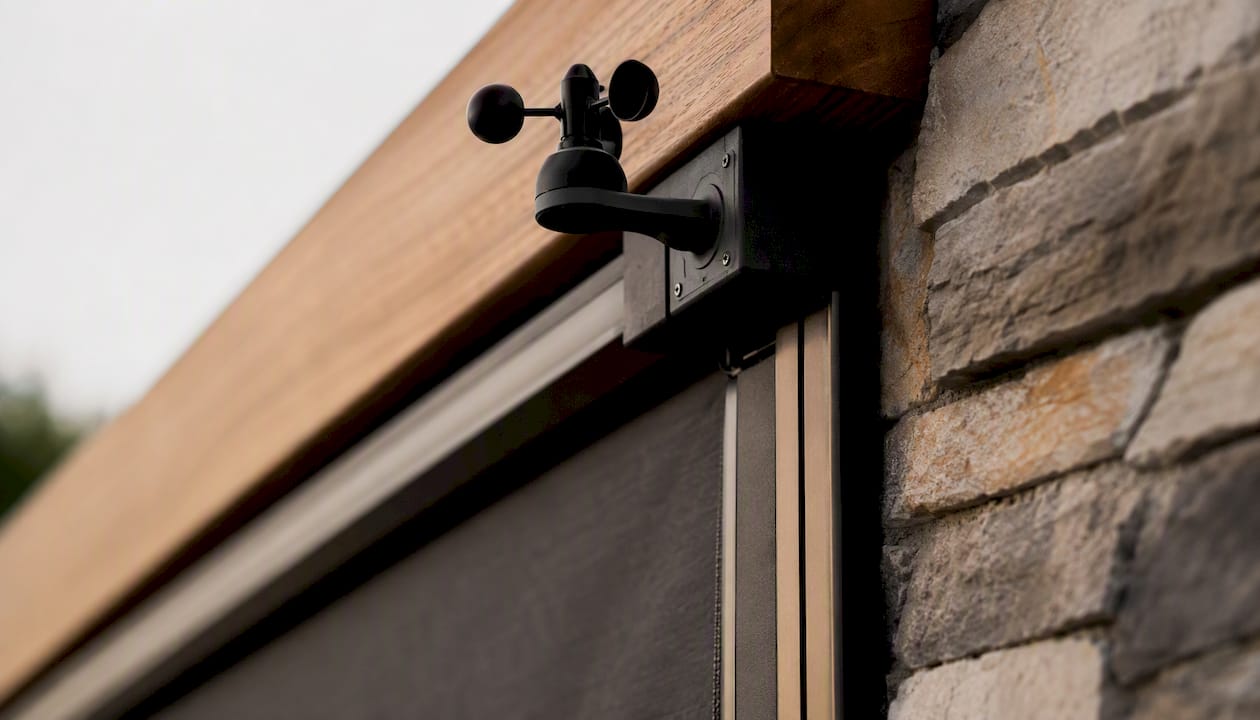
Pro Tip: If you have three or more large openings, motorization pays for itself in convenience alone — and pairing it with a sun sensor means your shades work for you automatically, even when you’re not home. 🏡
How to choose the right exterior blind for your home
Work through this checklist before you contact any supplier:
- Intended use: Patio comfort, window heat reduction, privacy, or insect control?
- Sun exposure: Which direction does the opening face, and how many hours of direct sun does it get?
- Wind exposure: Is the location sheltered or open? (Determines whether you need a zip system.)
- Openness factor: Pick your priority — view vs. privacy vs. maximum heat control.
- Control preference: Manual for simplicity, motorized for convenience and automation.
- Mounting type: Surface, recessed, or freestanding — based on your structure.
- Color and architecture: Neutral tones (charcoal, beige, white) blend with most exteriors.
- Lead time and warranty: Custom shades typically ship in 2–4 weeks. Confirm warranty terms before ordering.
Questions to ask any supplier:
- What is the wind rating for this system?
- What is the fabric’s UPF/UV rating?
- Do you offer free fabric samples before I order?
- Do you provide installation videos or a pro installer network?
- What does the warranty cover, and what’s the return policy on custom orders?
Supplier trust signals to look for: measurement guides, free swatches, clear warranty documentation, installation videos, and verified customer reviews (BBB or Houzz presence is a good sign). Retailers and manufacturers who offer free swatches and clear measurement guides tend to have lower return rates and higher customer satisfaction on custom outdoor products.
Why Valueblindsdirect stands out for exterior shades
Valueblindsdirect checks every box on the buyer checklist above — and then some. Here’s what you get:
- Custom sizing: Every exterior shade is made to your exact measurements, so there are no awkward gaps or ill-fitting panels.
- Motorized exterior shades with side rails: Precise light control, privacy, and smooth automated operation — available in multiple openness options.
- Free fabric swatches: Order samples before you commit, so you know exactly how the fabric looks and performs at your specific opening.
- Window Treatment Design Studio: An online tool that lets you configure, visualize, and plan your custom exterior treatment before you buy.
- Measurement guides: Step-by-step instructions built into the ordering process — no guesswork.
- Energy calculator: Helps you estimate the cooling benefit of your shade selection.
- Warranty and returns: Clear terms on custom orders, with customer support available to help if something isn’t right.
- Outdoor-rated fabrics: UV-stable, moisture-resistant materials built for real weather exposure.
Pro Tip: Use the design studio to visualize your shade against your home’s exterior color before ordering — it takes about five minutes and can save you from a color mismatch you’d live with for years.
What the right exterior blind choice really comes down to
Most homeowners overthink the aesthetics and underthink the wind exposure. I’ve seen beautiful roller shades installed on open, wind-exposed patios without side guides — and within one season, the fabric is frayed, the mechanism is strained, and the homeowner is frustrated. The single most important spec question isn’t the color or even the openness percentage. It’s: how exposed is this location to wind?
Get that answer right, and everything else — fabric choice, mounting type, motorization — falls into place much more easily. For sheltered patios, a quality solar roller shade is genuinely DIY-friendly and delivers real comfort gains fast. For exposed locations, spend the extra money on a zip-guided system and proper stainless fasteners. You’ll thank yourself the first time a summer storm rolls through and your shades are still perfectly intact.
Ready to find your perfect exterior shade?
Skip the measuring tape anxiety. Valueblindsdirect makes custom outdoor window shades straightforward: order free fabric swatches, use the online design studio to configure your exact size and openness, and get a motorized or manual shade built to fit your patio or window perfectly. No guessing, no generic sizing.
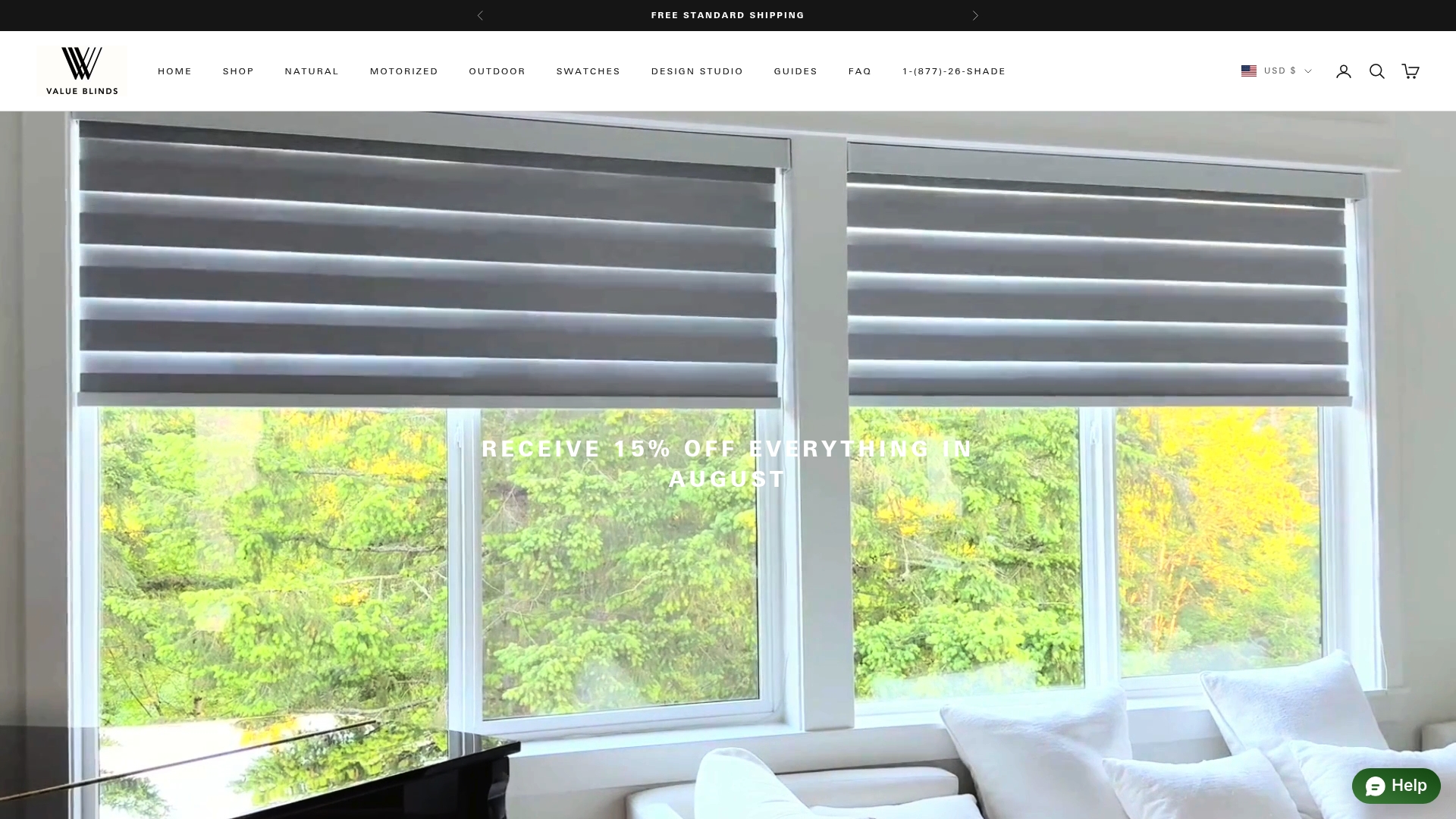
Start with the Window Treatment Design Studio to visualize and configure your custom exterior shade, or go straight to the motorized exterior shades product page to see openness options and pricing. Free swatches ship fast — grab yours before you finalize any measurements.