
Custom Roman Shades for Homeowners: How to Choose & Order
For made-to-order Roman shades, Valueblindsdirect is the go-to starting point. You get fully custom sizing, your choice of fabric and lining, and multiple lift options — all configurable online without a showroom visit. Here’s what to expect before you click “order”:
- Price range: Custom Roman shades vary widely depending on window size, fabric, lining, and lift system.
- Lead time: Most made-to-order shades ship within 7–14 business days after production, plus standard shipping time.
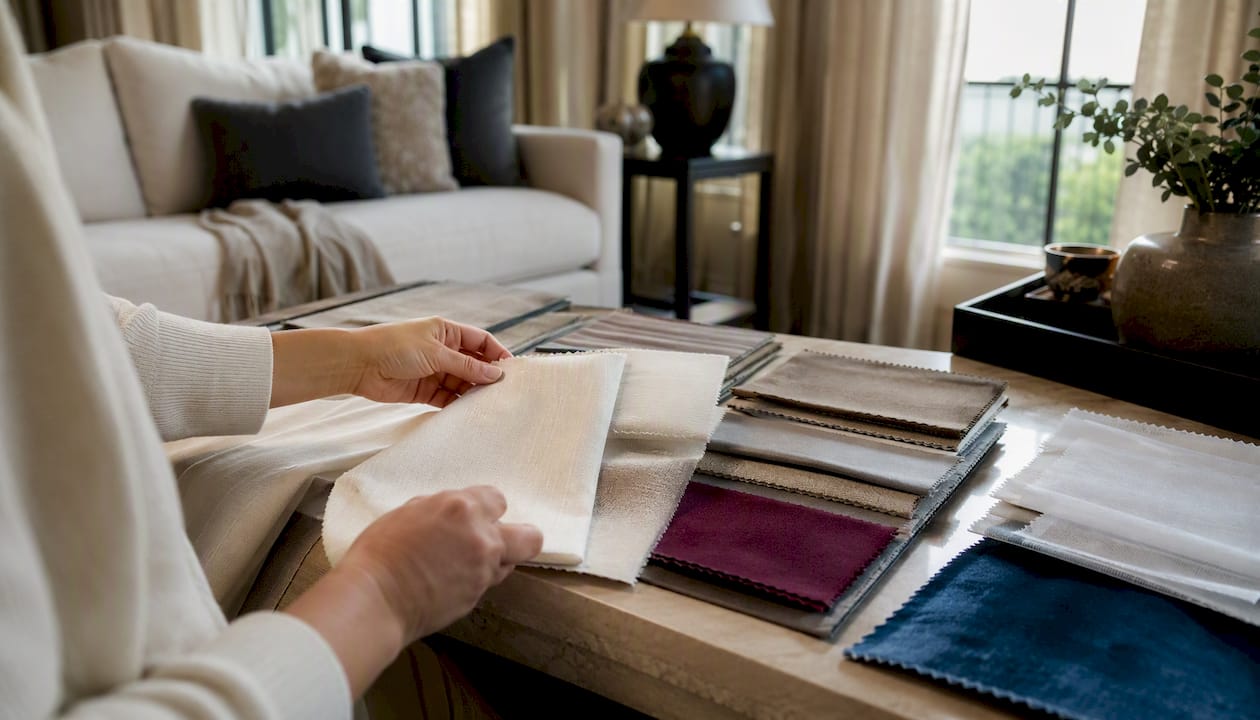
- Best first step: Order free fabric swatches and hold them up at your window in natural light before committing. It’s the single best way to avoid color or pattern regrets. 🎨
Key Takeaways
Custom Roman shades deliver the best results when you choose fabric and lining for function first, measure carefully for your mount type, and confirm lead times before finalizing your order.
| Point | Details |
|---|---|
| Fabric and lining first | Choose lining (blackout, thermal, privacy) based on room function before picking a pattern. |
| Measure for your mount type | Inside mount uses the narrowest width; outside mount adds 1.5–3 inches per side for light blockage. |
| Match lift to your household | Cordless is safest for homes with kids; motorized adds convenience for frequently used or hard-to-reach windows. |
| Order swatches before committing | Free swatches from Valueblindsdirect let you confirm color and pattern scale at the actual window. |
| Confirm lead time early | Most custom orders ship within 7–14 business days; plan installations a few days after estimated delivery. |
Table of Contents
- What style of custom Roman shades fits your room?
- How do fabric and lining choices affect your shades?
- Which lift system is right for your household?
- How to measure your windows accurately for custom shades
- What drives the cost and lead time for custom Roman shades?
- Installation: what hardware you need and when to call a pro
- Keeping your fabric Roman shades clean and looking great
- Why Valueblindsdirect is worth your attention
- How to place your order from start to finish
- What I’d tell every homeowner before they order
- A few decision rules that actually simplify the process
- Valueblindsdirect has your custom shades covered
- Useful resources for measuring and ordering
- Sources
What style of custom Roman shades fits your room?
Roman shades come in four main fold styles, and the right one depends on your room’s vibe, your fabric choice, and how much visual drama you want. Here’s a quick breakdown:
- Flat (classic): No folds when lowered — just a clean, smooth panel. Perfect for bold patterns, graphic prints, or minimalist rooms where you want the fabric to do the talking. Great for living room window treatments.
- Pleated/hobbled: Soft horizontal folds cascade down even when the shade is fully lowered. This style adds texture and a formal, tailored look — think traditional dining rooms or home offices.
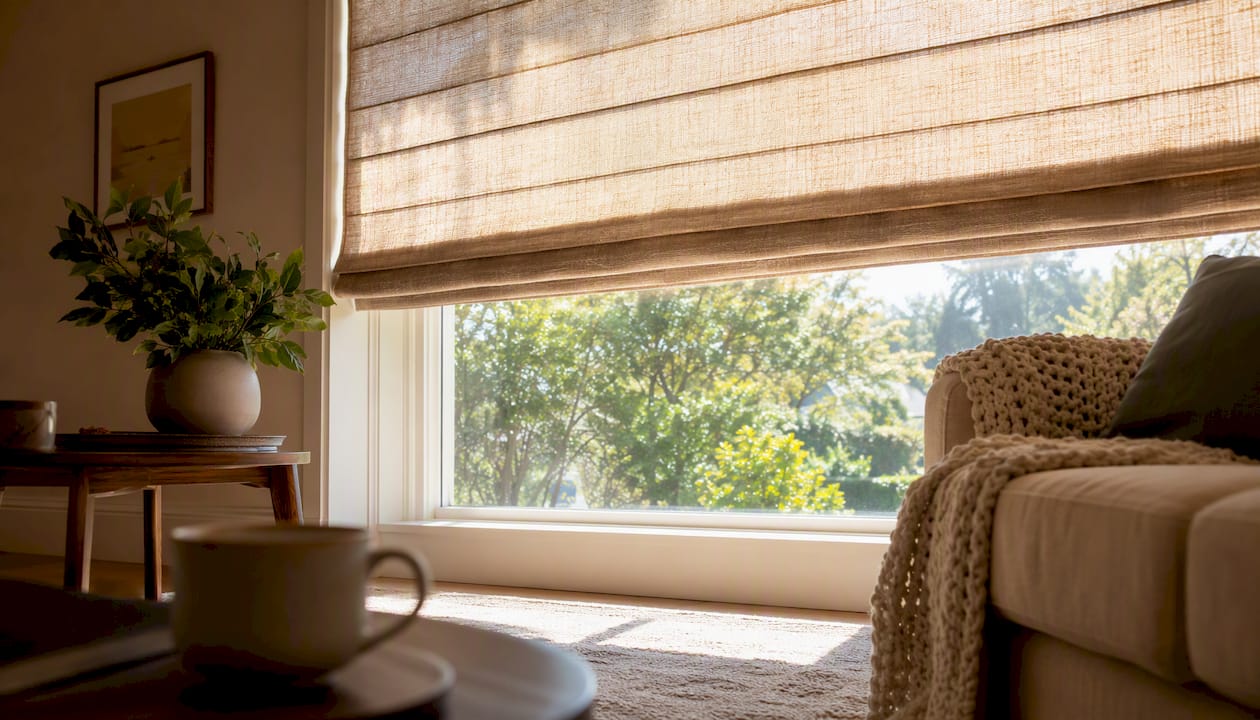
- Relaxed/European: The bottom hem curves gently upward at the sides, giving a casual, slightly billowy effect. Works beautifully in kitchens, sunrooms, and anywhere you want a softer, less structured feel.
- Balloon: Full, poufy folds at the bottom create a dramatic, romantic look. Best for accent windows rather than everyday-use windows, since the fabric bunches significantly when raised.
For patterned fabrics, flat shades are almost always the smarter pick — pleated styles can interrupt a repeat in a way that looks unintentional. If you’re working with a tall, narrow window, a hobbled or relaxed shade adds visual width without overwhelming the space. Check out style and fit guidance to match fold style to your specific room.
Pro Tip: Hold a fabric swatch against the wall at window height and step back six feet. Pattern scale that looks perfect up close can read very differently from across the room.
How do fabric and lining choices affect your shades?
This is where most homeowners spend the least time and later wish they’d spent more. Fabric and lining together control light, privacy, insulation, and how well the shade folds over time.
Fabric families
| Fabric Type | Weight | Best For | Fold Behavior |
|---|---|---|---|
| Lightweight cotton/linen | Light | Kitchens, casual spaces | Crisp, clean folds |
| Medium textured (polyester blends) | Medium | Living rooms, offices | Structured folds, durable |
| Heavy velvet/blackout fabric | Heavy | Bedrooms, media rooms | Thick folds, needs wider headrail |
Heavier fabrics look luxurious but add real weight to the headrail — especially on wide windows. For windows wider than 48 inches, lighter or medium-weight fabrics tend to operate more smoothly and last longer. For energy-efficient window coverings, a medium-weight fabric with a thermal lining is often the best combination.
Lining options
- Unlined: Maximum light, minimal privacy. Good for sheer or semi-sheer fabrics in low-privacy spaces.
- Privacy lining: Softens incoming light and adds a layer of privacy without blocking it entirely. A solid everyday choice for living rooms.
- Blackout lining: Blocks nearly all light. Non-negotiable for bedrooms, nurseries, or media rooms.
- Thermal lining: Adds insulation value on top of privacy. Worth the small upcharge if your windows face north or west.
On extra-wide shades, fabric pattern repeats become a real consideration. A large-scale repeat (say, 12+ inches) may require extra fabric to match seams, which affects both cost and the final look. Fabric repeat planning guidance is worth reviewing before you finalize your order on any shade wider than 60 inches.
Pro Tip: For bedrooms, always choose function over pattern. A beautiful print with inadequate blackout lining will have you squinting at 6 AM every morning.
Which lift system is right for your household?
The lift system you choose affects daily usability, child safety, and long-term convenience. Here’s how the main options compare:
| Lift Type | Best For | Key Trade-off |
|---|---|---|
| Corded | Budget-conscious buyers, adult-only homes | Cord loop poses a safety risk around children and pets |
| Cordless | Families with kids or pets, clean look | Slightly higher cost; spring tension can weaken over years |
| Continuous loop | Heavy or large shades, commercial-feel spaces | Requires a cord cleat anchor; not ideal for child-heavy rooms |
| Motorized | Convenience-first buyers, smart home setups | Higher upfront cost; may need professional install for multi-panel sync |
A few things worth knowing:
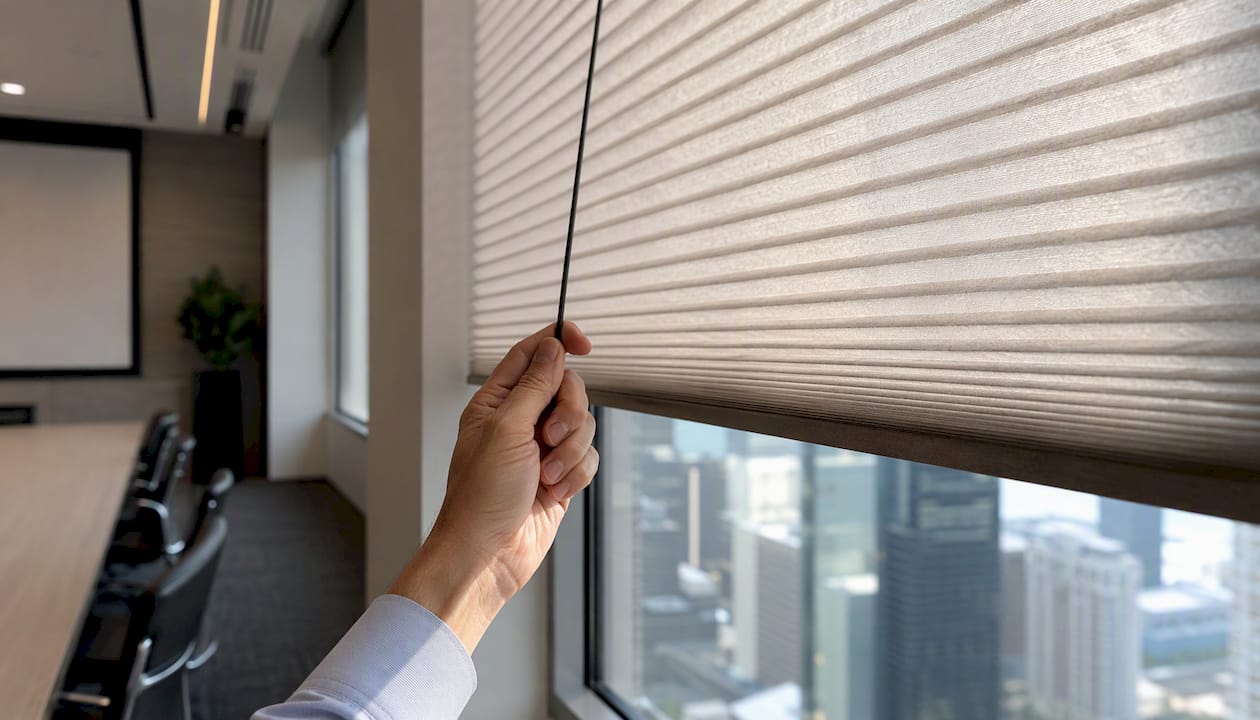
- Cordless systems use internal spring tension to hold the shade at any height. They’re the safest and most popular choice for households with young children.
- Motorized options can be scheduled, voice-controlled, or app-operated — genuinely convenient for hard-to-reach windows or anyone who wants to automate their morning routine. ☀️
- Motorization can often be retrofitted into standard headrail systems, but synchronized multi-panel motorization usually calls for a professional installer.
- For a deeper comparison of Roman shades versus other window treatment types, the Roman vs. roller shades guide covers light control and insulation differences clearly.
How to measure your windows accurately for custom shades
Getting the measurement right is the most important step. A shade that’s off by even half an inch can look sloppy or fail to mount properly. Here’s how to do it. 📏
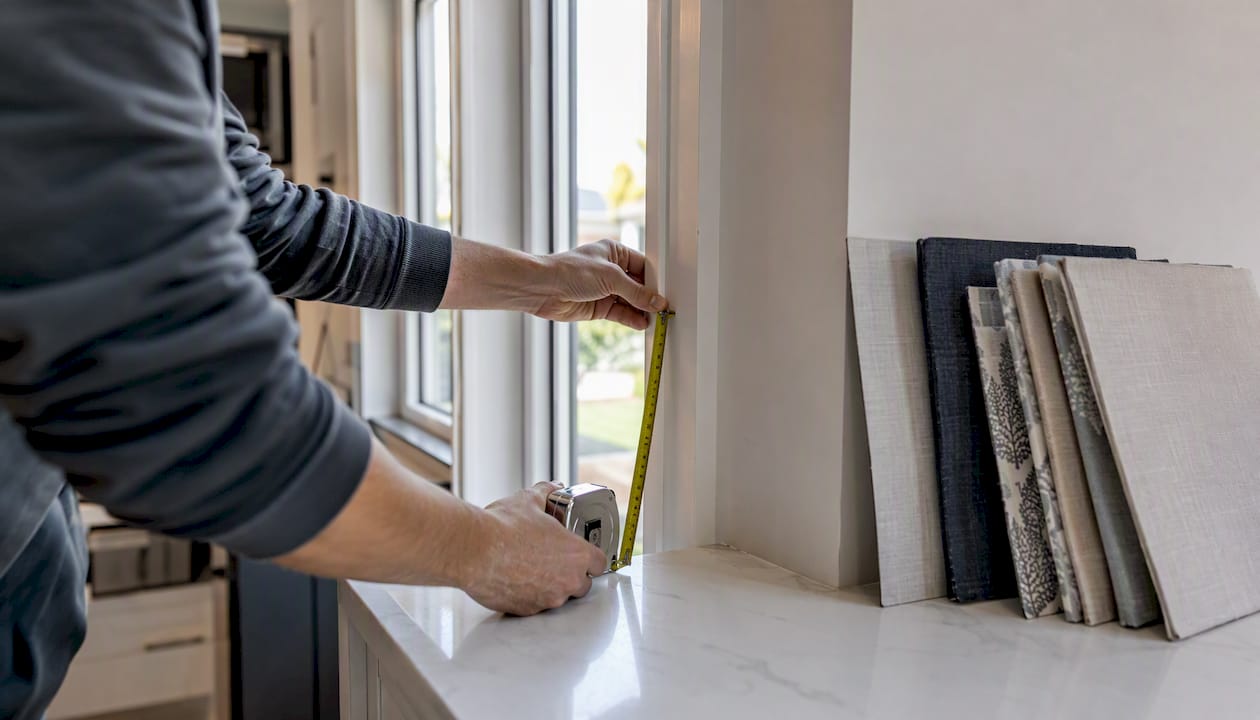
Tools you need: Steel measuring tape, pencil, notepad. Never use a cloth tape — it stretches.
Before you measure, check:
- Minimum inside-mount depth (typically 1.5–2 inches for the headrail to sit flush)
- Whether the window frame is square (measure diagonally — if the two diagonal measurements differ by more than ¼ inch, go outside mount)
- Any obstructions: handles, locks, or cranks that would block a lowered shade
Inside mount (shade sits within the window frame)
- Measure the width at three points: top, middle, and bottom of the opening. Use the narrowest measurement.
- Measure the height at three points: left, center, and right. Use the longest measurement.
- Most vendors (including Valueblindsdirect) apply a small deduction automatically for clearance — confirm this before ordering so you don’t double-deduct.
- Round to the nearest ⅛ inch.
The Roman shade measuring guide walks through each step with illustrated checklists — bookmark it before you start.
Outside mount (shade mounts on the wall or ceiling above the frame)
- Decide how far beyond the frame you want the shade to extend on each side (typically 1.5–3 inches per side for light blockage).
- Add that overlap to both sides for your total width.
- For height, measure from your desired mounting point down to where you want the shade to end — usually the sill or 1–2 inches below it.
- For wall and ceiling mount bracket clearances, the wall mount drapery guide covers headrail placement rules in detail.
For ceiling mounts, minimum bracket depth and headrail clearance are critical — the ceiling-mounted measurement guide spells out exactly what clearance you need to avoid headrail interference.
Special cases:
- Bay windows: Measure each facet separately and order individual shades per facet.
- French doors: Use outside mount with a hold-down bracket at the bottom to prevent the shade from swinging.
- Extra-wide windows (60+ inches): Splitting into two shades is usually better than one oversized panel — lighter weight, easier operation, and no visible center seam distortion.
Pro Tip: Use the DIY Roman shade measuring guide for a printable checklist you can fill in at each window before ordering.
What drives the cost and lead time for custom Roman shades?
No two custom orders cost the same, but the main variables are predictable:
- Fabric weight and type: Heavier or specialty fabrics (velvet, woven textures, eco-friendly materials) cost more than standard polyester blends.
- Lining: Blackout and thermal linings add to the base price; unlined is the lowest cost option.
- Lift system: Cordless adds a modest premium over corded; motorization adds the most, often $80–$150+ per shade depending on the motor type.
- Window size: Larger shades use more fabric and require heavier hardware.
- Hardware finish: Decorative valances, specialty headrail finishes, and trim details all add to the final price.
Typical price bands (approximate, U.S. market):
- Small window (up to 24" wide): ~$60–$100
- Medium window (25"–48" wide): ~$100–$200
- Large window (49"–72" wide): ~$200–$400+
- Motorized add-on: typically $80–$150 per shade
On lead times: Most custom Roman shades are produced and shipped within 7–14 business days. Rush production may be available for an additional fee — worth asking if you’re working around a move-in date. Always confirm the production timeline at checkout and factor in shipping days separately.
When reviewing a quote, check that it itemizes: headrail type, valance (included or extra), mount type, and whether installation hardware is included. Missing line items are where surprises hide.
Installation: what hardware you need and when to call a pro
Most custom Roman shades ship with the mounting brackets, screws, and headrail included. Here’s what a standard DIY install involves:
What’s typically included:
- Headrail with pre-installed lift mechanism
- Mounting brackets (inside, outside, or ceiling, depending on your order)
- Valance clips (if a valance was ordered)
- Installation instructions
What you’ll need:
- Drill with appropriate bit for your wall type (drywall, plaster, or wood)
- Level
- Pencil for marking bracket positions
- Screwdriver
DIY install steps:
- Mark bracket positions using a level — this is where most DIY installs go wrong.
- Pre-drill pilot holes, especially in plaster walls.
- Attach brackets, then snap or slide the headrail into place.
- Attach the valance if included.
- Test the lift mechanism through a full raise and lower cycle.
- Check for light gaps at the sides and top; adjust bracket position if needed.
- Secure any cord safety anchors or motor power connections.
When to hire a pro:
- Motorized shades with multi-panel synchronization
- Very heavy shades (velvet or triple-lined fabrics on large windows)
- Tricky trim profiles or arched windows where standard brackets won’t sit flush
- Ceiling mounts in plaster or concrete
Keeping your fabric Roman shades clean and looking great
Fabric shades collect dust faster than hard blinds, but maintenance is easy if you stay on top of it.
- Weekly dusting: Use a soft brush attachment on your vacuum at low suction. Work top to bottom in the direction of the folds.
- Spot cleaning: Blot (never rub) with a damp cloth and mild dish soap for most polyester and cotton blends. Test on a hidden corner first. Velvet and specialty weaves need dry cleaning or a professional upholstery cleaner.
- Deep cleaning: Most unlined or privacy-lined shades can be hand-washed in cool water and air-dried flat. Blackout and thermal-lined shades should not be submerged — the lining can delaminate.
- During renovations: Remove shades entirely and store them rolled (not folded) in a clean bag. Dust and paint particles are nearly impossible to remove from fabric folds.
Small maintenance checklist (do this every 6 months):
- Tighten mounting bracket screws
- Check lift cords for fraying or kinking
- Test motorized shades’ battery level or charging connection
- Inspect the bottom hem for any unraveling or loose stitching
Pro Tip: A lint roller works surprisingly well for a quick refresh between vacuuming sessions — especially on linen and cotton shades that attract pet hair.
Why Valueblindsdirect is worth your attention
Valueblindsdirect offers a full collection of custom Roman shades with options that cover the full range of what this guide describes: multiple fold styles, fabric families, lining choices (including blackout and thermal), cordless and motorized lift systems, and free fabric swatches so you can test before you commit.
A few things that stand out:
- Free swatches: Order samples and view them at your actual window in natural light — the most reliable way to confirm color and pattern scale before placing a full order.
- Measurement guides and design studio: Step-by-step resources and an interactive design studio help you configure your order without guesswork.
- Warranty and returns: Valueblindsdirect backs its custom products with a warranty and a clear returns policy — check the product page for current terms.
- Installation support: Detailed install instructions ship with every order, and customer support is available if you hit a snag.
For room-design inspiration before you finalize your fabric choice, this master bedroom design guide shows how window treatments anchor a room’s overall look.
How to place your order from start to finish
Here’s the full path from “I need new shades” to “they’re installed and look great”:
- Order free swatches. Pick 3–5 fabrics you’re considering and request samples from Valueblindsdirect. Live with them at the window for a day or two in different lighting conditions.
- Measure your windows. Follow the inside or outside mount steps above, or use the accurate DIY measurement guide for a double-check. Note mount type, width, and height for each window.
- Configure your order. Select fabric, lining, lift system, and hardware finish. Review the price and confirm the production lead time before adding to cart.
- Place the order and plan your install. Confirm the production timeline at checkout. If you’re doing a DIY install, gather your tools. If you’re hiring a pro, schedule them for a few days after the estimated delivery date — not the same day.
Quick reminders before you click “buy”:
- Double-check mount type (inside vs. outside) for each window
- Confirm whether the vendor deducts for clearance or whether you need to
- Verify that motorized options include the power adapter or battery pack
- Check the warranty terms and return window for custom orders
What I’d tell every homeowner before they order
A few decision rules that actually simplify the process
Most of the “which should I choose?” anxiety around custom Roman shades comes down to three questions. Here’s how I’d answer them quickly:
Style: If you’re unsure, go flat. A flat shade works in almost every room, shows off fabric beautifully, and never looks dated. Save the hobbled or balloon styles for rooms where you specifically want a decorative focal point.
Function: For bedrooms, blackout lining is non-negotiable — full stop. For living rooms, a privacy lining with a light-filtering fabric gives you flexibility without sacrificing natural light during the day. Kitchens? Go unlined or privacy-lined with a wipe-clean polyester blend.
Budget: Motorization is genuinely worth it for windows you operate multiple times a day (like a bedroom or home office) or windows that are hard to reach. For a guest room you rarely use, cordless is plenty. Splitting a wide window into two cordless shades is almost always cheaper than one motorized panel and easier to operate.
Valueblindsdirect has your custom shades covered
Ready to stop staring at bare windows? Valueblindsdirect makes it straightforward to order custom Roman shades sized exactly to your windows, in the fabric and lining combination that fits your room. The free swatch program means you’re never committing blind (pun intended 😄), and the design studio walks you through every configuration step.
Head to the Roman shades collection to browse styles, request free swatches, and get your measurements confirmed. Every order comes with detailed installation instructions, warranty coverage, and customer support if you need it. Your windows deserve better than bare glass.
Useful resources for measuring and ordering
- Roman Shade Measuring Guide (PDF) — illustrated step-by-step inside and outside mount instructions with measurement checklists
- Wall & Ceiling Mount Drapery Guide (PDF) — bracket clearance and headrail placement rules for outside and ceiling mounts
- Ceiling-Mounted Shade Measurement Guide (PDF) — minimum depth and bracket location guidance for ceiling installs
- DIY Roman Shade Measuring Guide (blog) — printable checklist for measuring each window before ordering
Sources
- LD_Measurement_Guide_BenchCushions_FA.pdf?v=1744134550