
Organizing Small Apartments: Quick Wins and Storage Ideas
Five moves make the biggest difference when organizing small apartments: zone your space, edit what you own, go vertical, choose multipurpose furniture, and add renter-friendly wall storage. Experts consistently point to clearing floor space as the single most powerful way to reduce perceived clutter. Do those five things and your apartment will feel noticeably larger — even before you buy a single new organizer.
Start here. These quick wins take 15–60 minutes each:
- Install Command hooks near your entry and bathroom (15 min, under $10)
- Clear one surface completely — a coffee table, nightstand, or counter — and commit to keeping it clear
- Slide bed risers under your bed frame to unlock 6–8 inches of under-bed storage (30 min, $15–$30)
- Set out a donate box and fill it with anything you haven’t touched in six months
- Move one item off the floor — a bag, a shoe rack, a laundry basket — and find it a wall or shelf home
That’s your first hour. Everything below builds on it. 🙌
Key Takeaways
Organizing a small apartment comes down to one principle: use every dimension of your space intentionally, edit continuously, and choose storage that does more than one job.
| Point | Details |
|---|---|
| Clear floor space first | Removing items from the floor reduces perceived clutter faster than any other single move. |
| Go vertical and multipurpose | Tall bookcases, floating shelves, and storage ottomans do double duty without adding footprint. |
| Edit before you buy | A declutter session frees more usable space than most organizers — do it before shopping. |
| Renter-friendly wins are real | Command hooks, bed risers, and over-the-door caddies cost under $50 and require no drilling. |
| Valueblindsdirect for the finishing touch | Cordless, no-drill window treatments from Valueblindsdirect improve light, privacy, and perceived room size. |
Your one-week plan: Day 1, do the quick edit and set out a donate box. Day 2–3, install hooks and bed risers. Day 4–5, tackle your closet with a double rod or slim hangers. Day 6–7, clear surfaces and add one matching basket system to open shelves. Then schedule a 30-minute edit session every month to keep it that way. 📅
Table of Contents
- 2. High-impact storage ideas that work in every room
- 3. Room-by-room checklists you can use right now
- 4. How to actually fit more of what you need
- 5. Expert-backed principles that make small spaces work
- 6. How to make your tiny apartment feel cozy, not cramped
- 7. What actually worked in a studio: a real perspective
- Window treatments that make your small apartment feel bigger
- Sources
2. High-impact storage ideas that work in every room
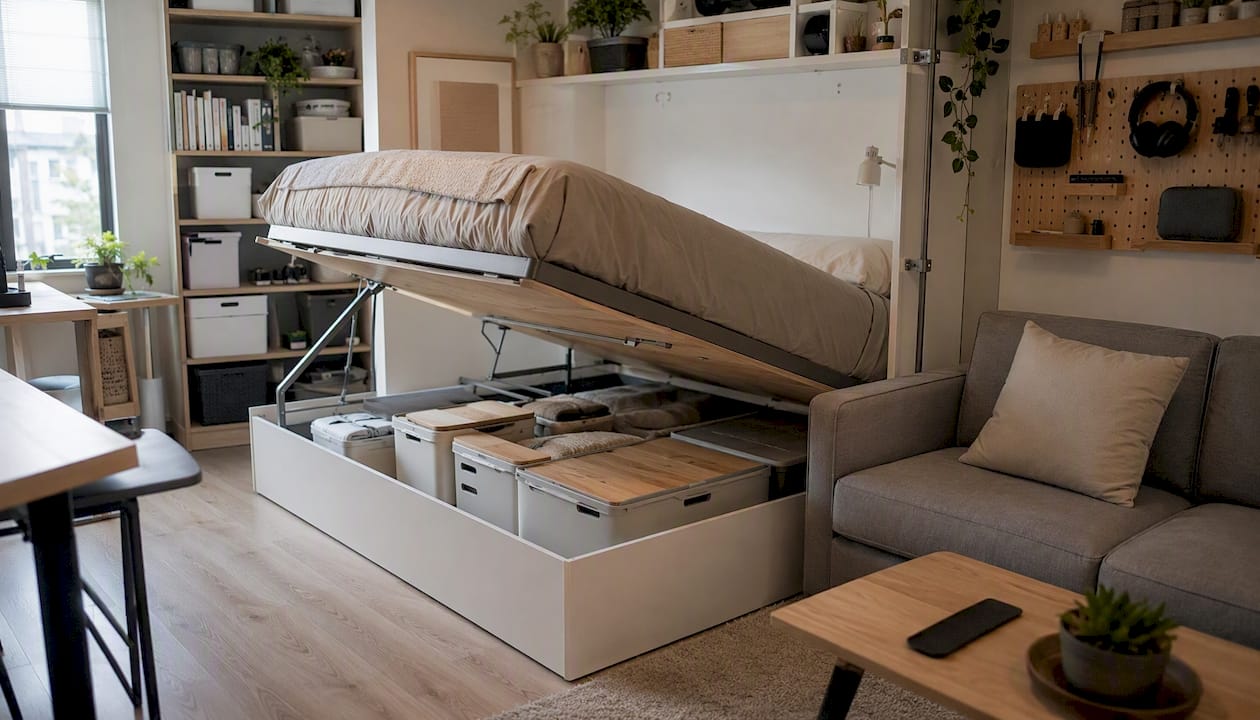
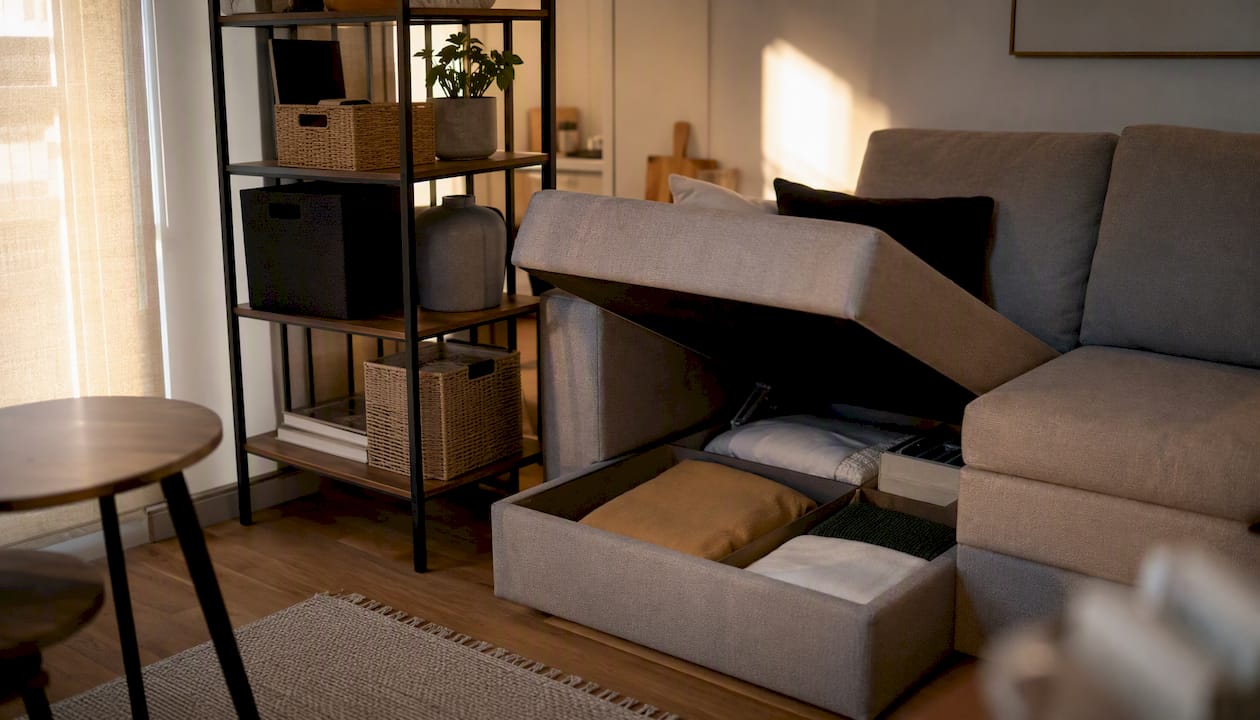
Multipurpose furniture and vertical systems are the backbone of small apartment storage ideas. A sofa with a drawer base, a bed with hydraulic lift storage, a tall bookcase used as a room divider — these pieces do double or triple duty without adding footprint. Vertical systems (floating shelves, pegboards, tall bookcases) use the one dimension most renters ignore: height. Together, they’re the two upgrades worth considering.
Here’s a practical shopping checklist with approximate price ranges to guide your decisions:
Renter-friendly note: Command (3M) hooks and adhesive rails are your best friends if you can’t drill. They hold up to 7.5 lbs per strip when applied correctly and come off cleanly. For heavier shelves, look for removable shelving systems that use tension rods or furniture-anchored brackets — no wall damage required.
When you’re ready to shop, Amazon’s space-saving furniture section carries slim console tables, storage benches, and narrow rolling carts with fast shipping. IKEA’s KALLAX and BILLY systems are perennial go-tos for their price-to-storage ratio. The Container Store and Whitmor both offer modular bin and shelf systems that scale as your needs change.
Pro Tip: Designer Rachel Robinson recommends choosing storage that contributes to the room’s aesthetic — think bookshelves that double as room dividers — so your apartment feels open and intentional rather than like a packed utility closet. If a storage piece makes the room look busier, it’s the wrong piece.
3. Room-by-room checklists you can use right now
Living room
Small living room organization starts with seating that stores. A storage ottoman replaces a coffee table and hides blankets, remotes, and board games. A slim TV console (under 18 inches deep) keeps the floor plan open. Use vertical display — floating shelves, a tall narrow bookcase — to keep surfaces clear.
- Swap a standard coffee table for a storage ottoman ($40–$150)
- Add floating shelves above the sofa for books and plants
- Use a tall IKEA KALLAX as a room divider between living and sleeping zones
- Mount your TV on the wall to free up console space
- Store remotes, chargers, and small items in labeled baskets on shelves
Renter note: TV wall mounts require a stud finder and wall anchors — check your lease. If drilling isn’t allowed, a freestanding TV stand with built-in storage works just as well.
Kitchen and pantry
Kitchens in small apartments are usually short on counter space and cabinet depth. The fix is almost always vertical and behind-the-door.
- Install a lazy Susan in corner cabinets to stop items from getting lost in the back
- Add a magnetic knife strip and magnetic spice rack to a backsplash or side of the fridge
- Use a pegboard above the counter for pots, utensils, and cutting boards
- Place a slim rolling cart between the fridge and counter for extra prep and storage space ($25–$100)
- Add pull-out shelf inserts inside existing cabinets to double usable depth
- Hang a vertical pot rack from the ceiling or a wall-mounted rail
Cost bracket: Lazy Susans run $10–$30. Magnetic racks, $15–$40. A full pegboard setup, $50–$150.
Bedroom and closet
The bedroom is where efficient closet solutions pay off fastest. Double rods in a standard closet can nearly double hanging capacity.
- Install a double rod system in your closet ($20–$60 for a tension-rod version)
- Switch to slim velvet hangers throughout
- Add under-bed rolling drawers or vacuum storage bags for off-season clothes
- Use shelf dividers to stack sweaters without toppling piles
- Hang an over-the-door shoe organizer on the closet door for shoes, accessories, or folded items
If your closet is truly tiny, consider a freestanding open clothing rack ($40–$120) or a narrow armoire ($150–$400) as a supplement. Home organization systems from custom closet providers are worth considering if you’re staying long-term and want a built-in solution.
Bathroom
Bathrooms in small apartments often have one cabinet and zero counter space. Over-the-toilet shelving is the highest-ROI upgrade here.
- Install an over-the-toilet shelf unit ($30–$80) for toiletries, towels, and extra supplies
- Add a tiered corner caddy in the shower ($15–$40)
- Use a slim rolling cart beside the vanity for hair tools and skincare ($25–$80)
- Mount Command hooks on the back of the door for towels and robes
- Use a magnetic strip inside a cabinet door for bobby pins, nail clippers, and small tools
Entry and home office
A narrow console table (12–14 inches deep) at the entry handles keys, mail, and bags without blocking the walkway. If you work from home, a wall-mounted fold-down desk ($80–$200) disappears when you’re done for the day.
- Add a narrow console with a drawer for daily essentials ($60–$150)
- Mount a pegboard or wall grid for bags, umbrellas, and cables
- Use a fold-down wall desk to create a workspace that doesn’t eat square footage
- Label a small basket or tray as the “landing zone” for keys and mail — it keeps clutter contained
Renter note: Fold-down desks typically require two wall anchors. Use a stud finder or toggle bolts rated for the weight. For a no-drill option, a freestanding narrow desk ($80–$200) works in most entry corners.
4. How to actually fit more of what you need
The declutter workflow
Frequent, scheduled decluttering is one of the highest-return strategies in a small apartment — often more effective than buying additional storage. Here’s a simple four-step process:
- Quick edit (15 min): Walk every room with a bag. Pull out anything obviously broken, expired, or unused in the past year. Don’t overthink it.
- Category purge (1–3 hours): Work one category at a time — clothes, kitchen, books, bathroom. For each item: keep, donate, sell, or repair.
- Designate a home: Every item that stays needs a specific spot. “Somewhere in the kitchen” is not a home. “Second shelf, left cabinet” is.
- Donate/sell/repair: Get the donate box out of the apartment within 48 hours. Sell items on Facebook Marketplace or OfferUp. Repair or toss the rest.
Timeline options
| Time Block | What to Tackle |
|---|---|
| 60 minutes | One room’s surfaces + a donate box |
| Half-day | One full room (closet or kitchen) |
| Full weekend | Whole apartment, category by category |
| Seasonal (quarterly) | Refresh, rotate, and re-edit everything |
Cost ranges for common projects
- Bed risers: $15–$50
- Storage ottoman: $40–$150
- Floating shelf set: $20–$80
- Custom closet system (professional install): $500–$2,500+
- DIY closet organizer kit: $80–$300
A note on bulk buying: buying in bulk often creates storage headaches in small apartments. A 48-roll paper towel pack sounds economical, but if it lives on your floor for three months, it’s costing you square footage. Buy in quantities your storage can actually absorb.
When to outsource: A custom closet system makes sense if you’re staying in your apartment for two or more years and your closet is genuinely unusable. For everyone else, a $80–$150 DIY tension-rod system or modular shelf kit from IKEA or The Container Store delivers most of the benefit at a fraction of the cost.
5. Expert-backed principles that make small spaces work
The organizing tactics in this article aren’t just common sense — they’re backed by consistent design research and real-world case studies. The core model is zones + vertical + multipurpose storage, and it works because it addresses the real enemy of small-space living: perceptual clutter.
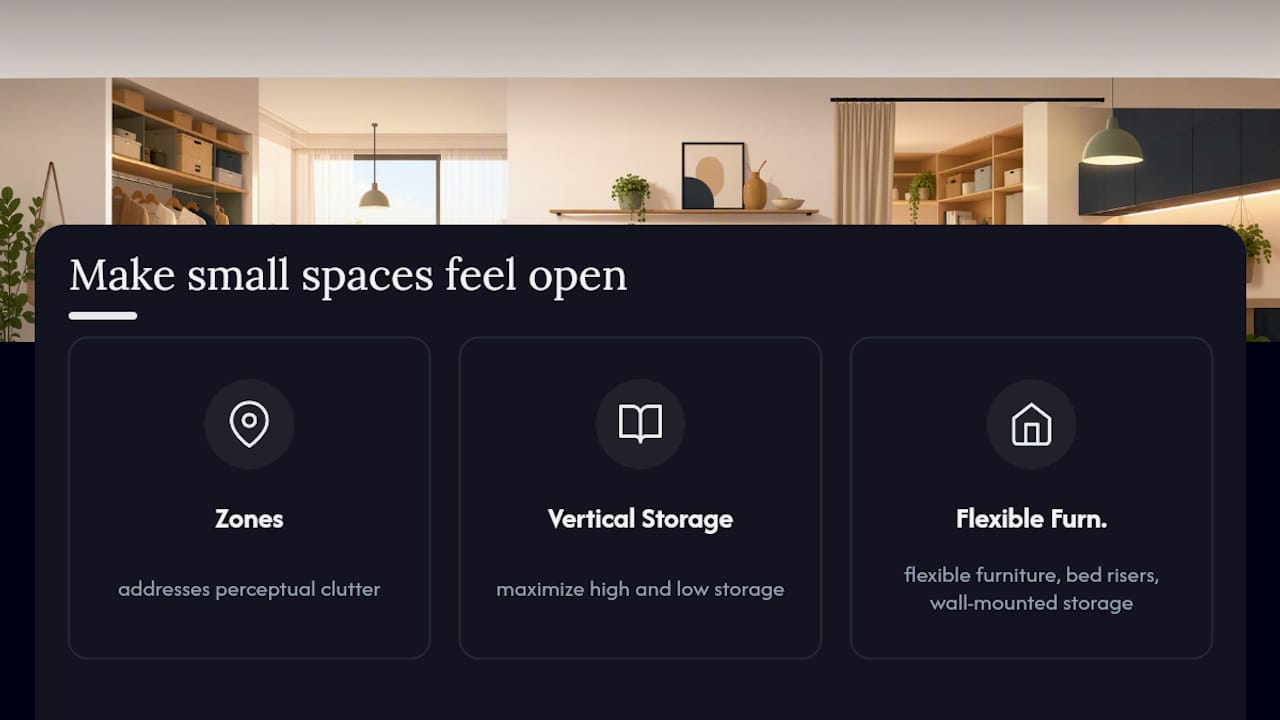
Perceptual clutter is what you see, not just what’s there. A room with items on every surface, floor, and counter feels chaotic even when it’s technically tidy. Clearing floor space and keeping eye-level areas visually open are the two moves that most immediately change how a room feels. Professionals recommend maximizing high and low storage while keeping the eye-line zone (roughly 4–6 feet off the floor) as clear as possible, preventing the claustrophobic feeling that plagues over-organized small spaces.
A real-world example: an Apartment Therapy case study of a 400 sq. ft. NYC studio showed two people living comfortably using flexible furniture, wall-mounted storage (including guitars as wall art), bed risers, and a removable monitor arm. The residents reported meaningful annual cost savings compared to renting a larger apartment — proof that a well-organized small space isn’t just livable, it’s financially smart.
The DIY fixes with the best immediate ROI — risers, removable hooks, repurposed shelves — are also the cheapest. You don’t need a renovation to feel the difference.
6. How to make your tiny apartment feel cozy, not cramped
Organization handles function. These finishing moves handle feel. 🏡
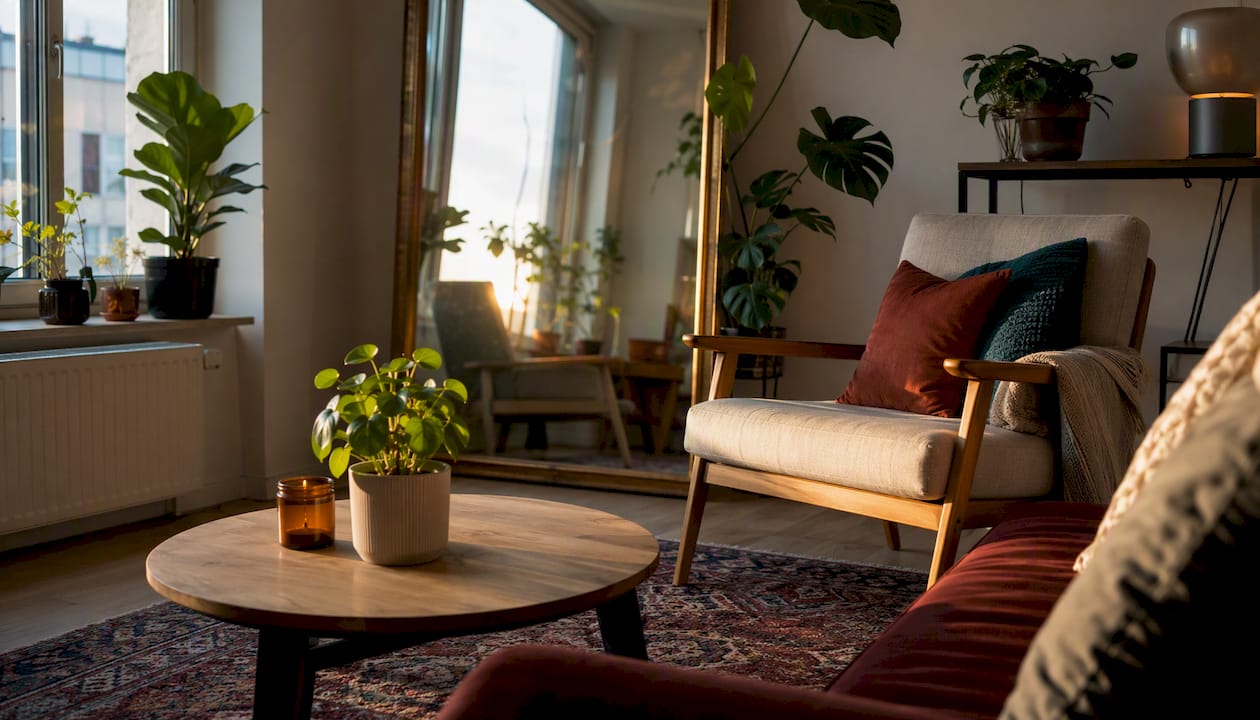
A consistent color palette is the single biggest visual trick in a small space. When walls, furniture, and textiles share a similar tone (even loosely), the eye reads the room as unified rather than fragmented. You don’t need to go all-white — a warm neutral base with two accent colors works just as well. For minimalist home decor inspiration, keeping your palette tight is the starting point.
Mirrors are free perceived square footage. A large mirror on a wall opposite a window bounces light and makes the room read as twice its actual depth. Even a small mirror cluster on a dark wall helps.
For visible storage, the rule is: match it or hide it. Mismatched bins, bags, and boxes on open shelves create visual noise even when they’re technically organized. Matching baskets or boxes — same color, same material — make open storage look intentional. Using matching baskets also makes it easier to grab and rehome items during your regular editing sessions.
Quick staging checklist for a cozy, uncluttered look:
- Keep one surface in each room completely clear (a nightstand, a kitchen counter section)
- Add one soft texture per room — a throw blanket, a small rug — without stacking multiples
- Use easy-care apartment plants in one or two spots for warmth without clutter
- Display only items you genuinely love on open shelves; store the rest
- Use warm lighting (2700–3000K bulbs) to make the space feel inviting rather than clinical
7. What actually worked in a studio: a real perspective
Here’s what the organizing process looks like in practice — and what’s worth prioritizing first.
The first week in a new studio, the temptation is to buy storage. Resist it. The first move that actually made a difference was a ruthless edit: one full afternoon pulling everything out of the closet, making three piles (keep, donate, toss), and only putting back what genuinely belonged there. That single session freed up more usable space than any organizer purchased afterward.
The three quick wins that stuck from week one:
- Command hooks at the entry — keys, bags, and a jacket hook meant the floor stayed clear from day one
- Bed risers — four risers and two under-bed rolling bins from Amazon handled off-season clothes and extra bedding entirely
- A pegboard in the kitchen — freed up two full drawers and made cooking feel less like an obstacle course
The emotional payoff is real. A tidy small apartment doesn’t just look better — it genuinely feels calmer. Less visual noise means less mental noise, and that’s worth more than an extra 200 square feet.
Window treatments that make your small apartment feel bigger
Here’s something most organizing guides skip entirely: your windows. The right window treatment can make a small apartment feel noticeably larger, brighter, and more finished — without moving a single piece of furniture. 🪟
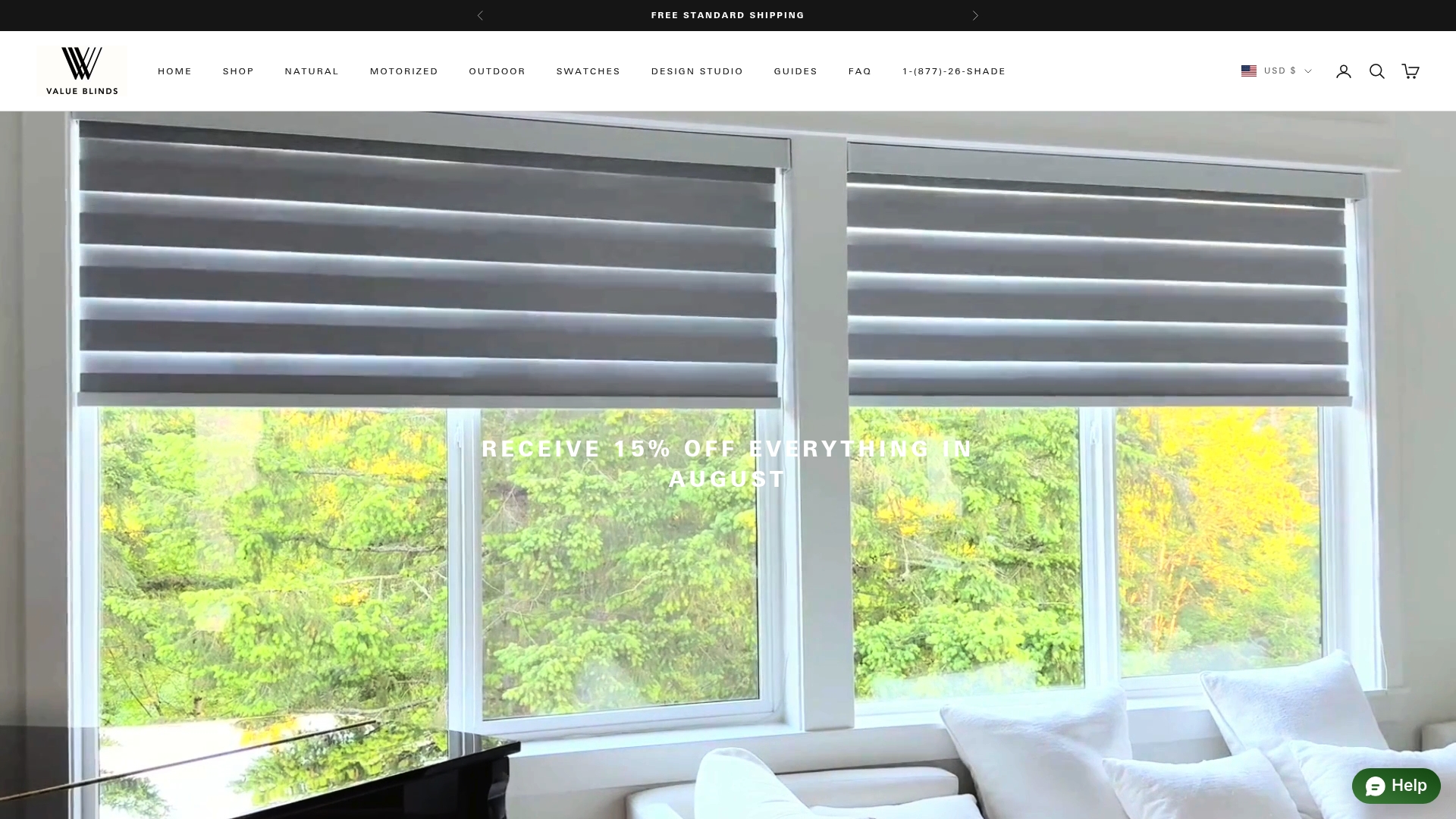
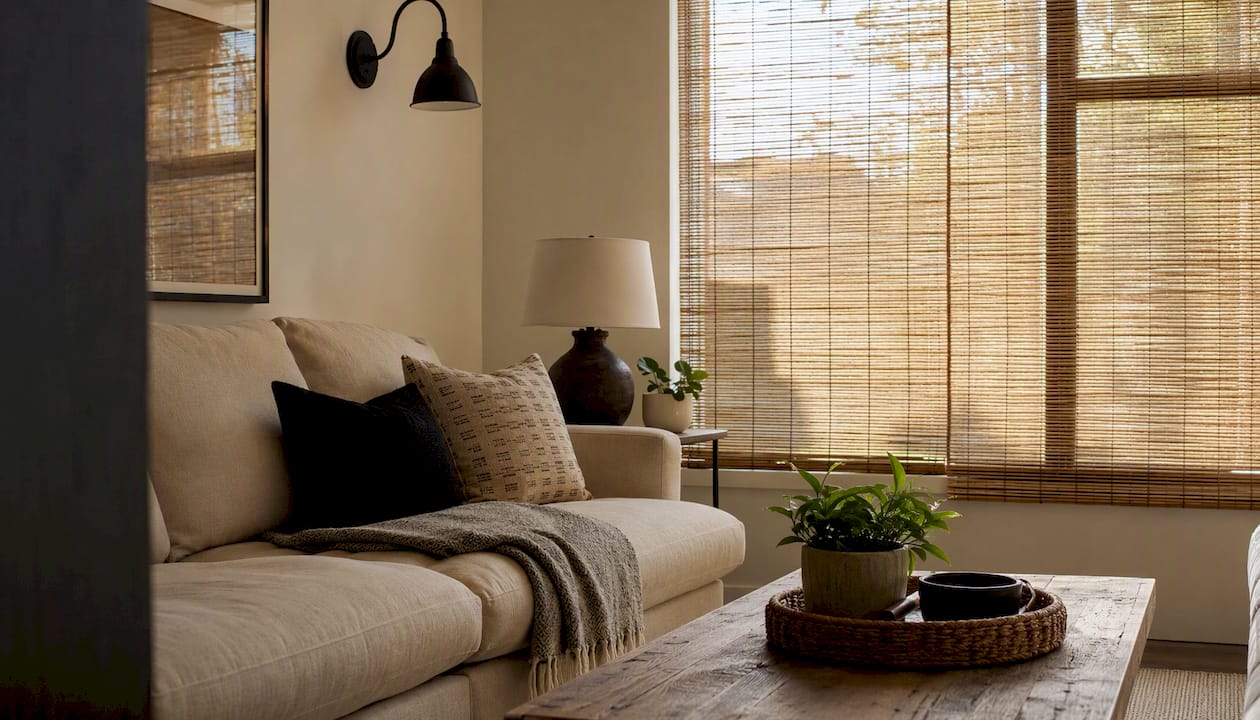
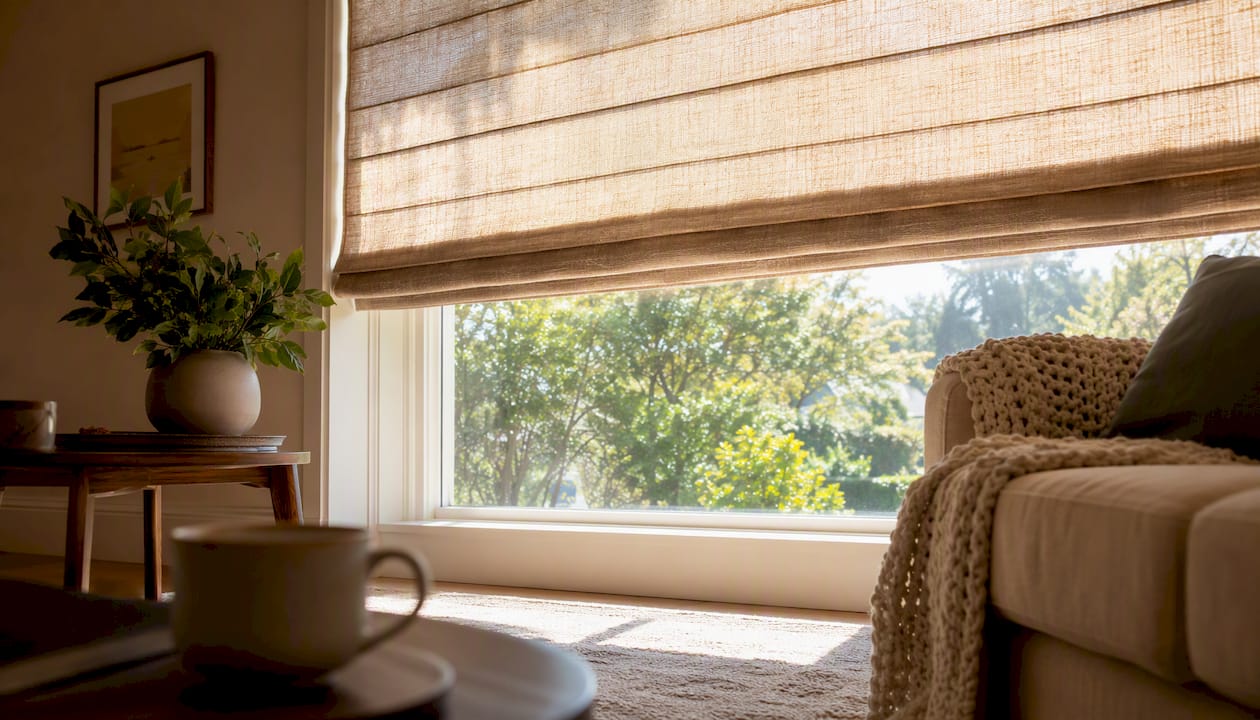
Cordless, light-filtering cellular shades are a particularly smart choice for small spaces. They filter light softly (making rooms feel airy rather than boxed in), provide privacy without heavy drapes, and their cordless design keeps the window area visually clean. Mounted close to the ceiling and extending slightly beyond the window frame, they make ceilings read as taller and windows as larger. Valueblindsdirect’s cordless and no-drill options are renter-friendly by design — no permanent hardware required.
For a style-forward option, zebra shades let you shift between sheer and blackout with a single pull, giving you full control over light and privacy throughout the day. If you want help choosing the right treatment for your space, the Valueblindsdirect Design Studio walks you through measurements, styles, and color options — free, and built specifically for spaces like yours.
Sources
- Studio Apartment Organization: 15 Storage Tips & Tricks
- Storage ideas for small spaces
- How I Keep My Tiny Apartment Organized and Clutter-Free
- 30 Small Apartment Storage Ideas to Maximize Space - The Spruce
- 21 Clever Small-Space Storage Ideas to Try (with Photos) | Apartment Therapy
- Amazon space-saving furniture search results
Quick shopping starting list: