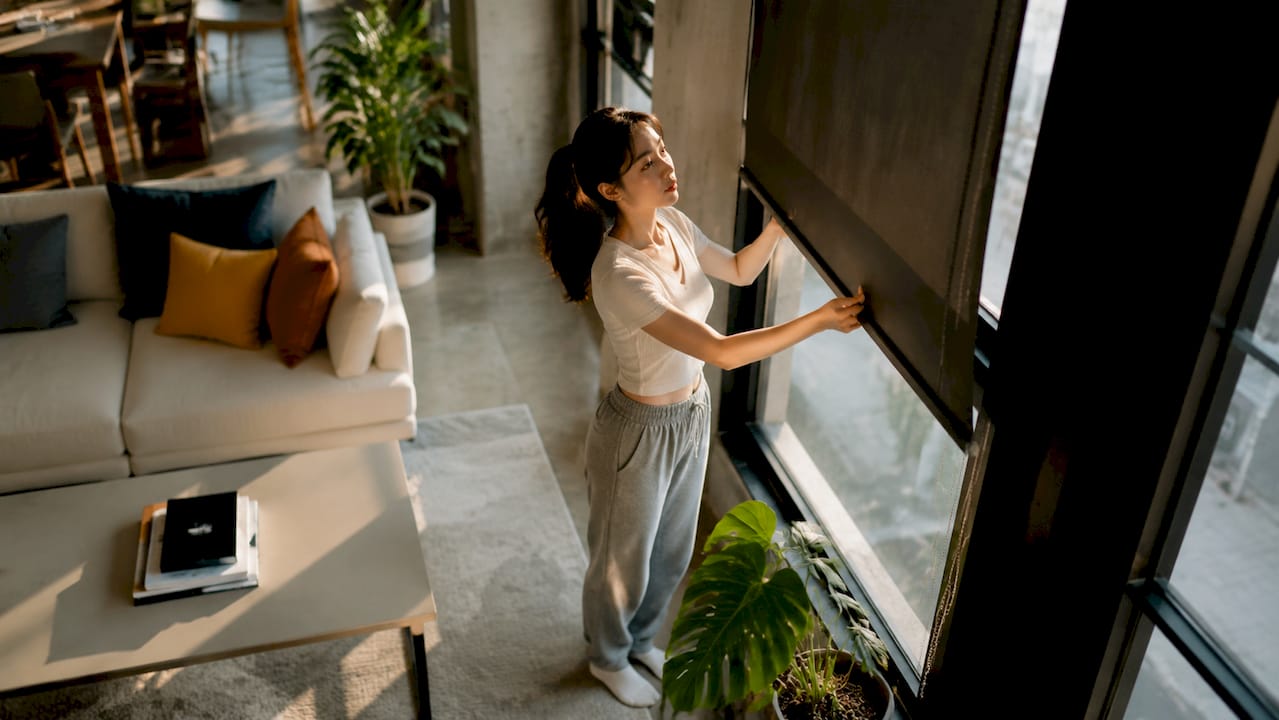

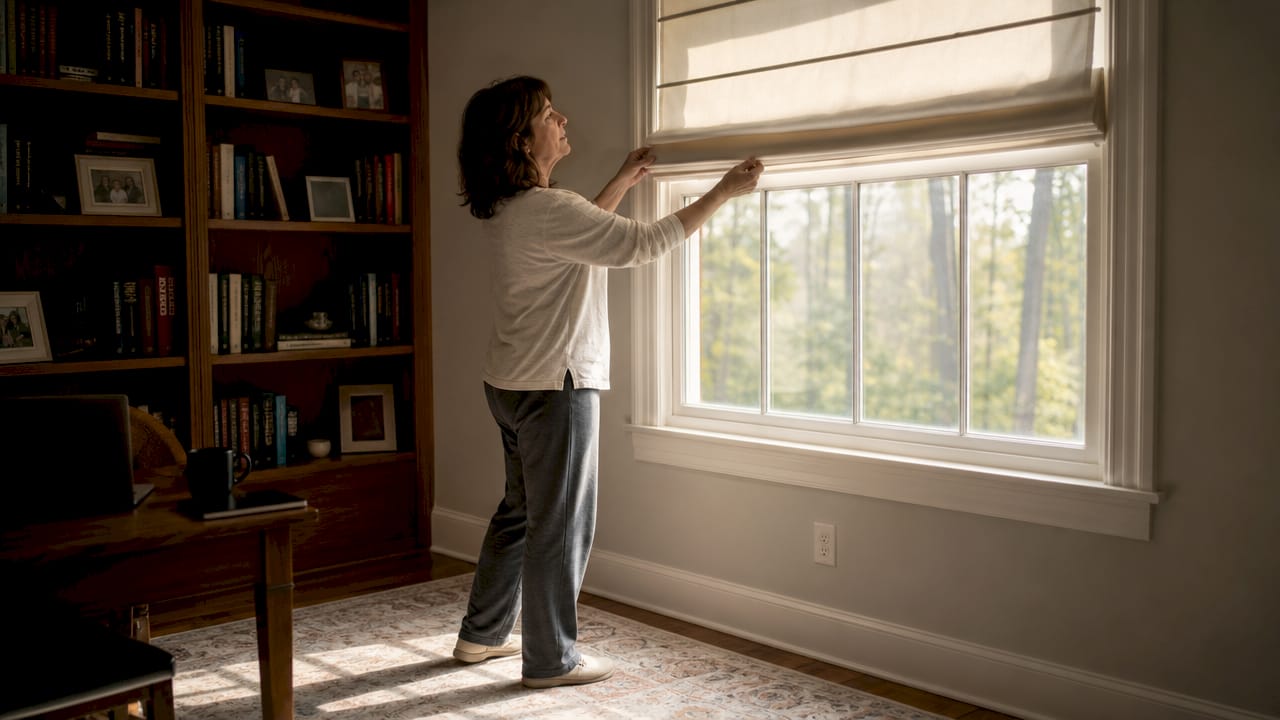
Top Down Roman Shades: Privacy and Light Control Guide
TL;DR:
- Top down roman shades feature a dual-rail system that allows independent movement of the top and bottom sections, providing daytime light and privacy simultaneously. Cordless and motorized options enhance safety and convenience, especially for high or hard-to-reach windows. Verifying true TDBU functionality and precise measurements ensures optimal operation and room-specific light control.
Top down roman shades are fabric window treatments with a dual-rail system that lets you lower the top portion of the shade while keeping the bottom closed, giving you daylight from above and privacy below. Most people call them “top down” shades, but the industry term is top down bottom up, or TDBU, which describes both rails moving independently. This distinction matters when you shop, because a shade marketed as “top down only” behaves differently from a true TDBU model. Cordless and motorized versions have made these shades far more practical for everyday use, and the 2026 market offers more fabric and style options than ever before.
How do top down roman shades work?
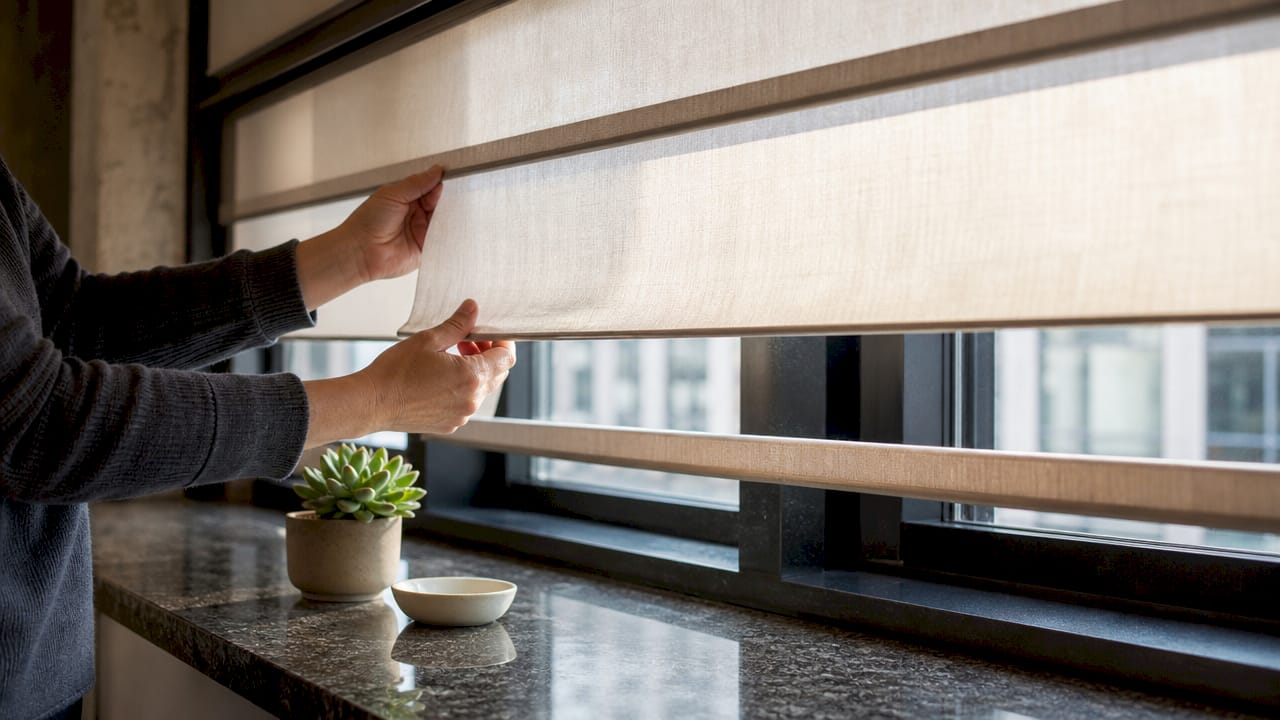
The core mechanism is a dual-rail system. The top rail lowers from the top of the window frame to admit light, while the bottom rail raises from the sill to block the view from outside. You control each rail independently, which means you can have the top third of your window open to sky light while the bottom two thirds stay covered. That is the defining feature of TDBU operation, and it removes the usual trade off between natural light and privacy.
Corded vs cordless vs motorized
Corded versions use separate lift cords for each rail. They cost less and work well on large or heavy shades where cord tension helps manage the weight. The downside is visible cords and a real safety risk. The Consumer Product Safety Commission recommends cordless or motorized window coverings for any home with children or pets because of entanglement hazards.
Cordless versions use a spring tension system. You push or pull each rail by hand. They look cleaner, operate faster, and are the most popular choice for standard window sizes. Most homeowners buying a TDBU shade today choose cordless.
Motorized versions offer app or voice control, which is ideal for hard to reach windows above a sofa or over a bathtub. Not every TDBU model is available with motorization, so confirm compatibility before you order. Some brands offer full smart home integration; others offer only a basic remote.
Pro Tip: When browsing product listings, search specifically for “TDBU” or “dual-rail” in the specs. Many shades labeled “top down” only lower the top rail and do not raise the bottom, which limits your nighttime privacy control.
A common naming problem in the market is that product descriptions often omit whether a shade is true TDBU or top down only. Always read the full spec sheet, not just the headline.
What styles and fabrics are available?
Style and fabric choices affect both how the shade looks and how well it controls light. The four main fold styles are flat fold, soft fold, relaxed, and hobbled. All four pair with the TDBU mechanism without affecting the basic light and privacy function.
| Style | Look | Best for |
|---|---|---|
| Flat fold | Smooth, modern panels | Minimalist and contemporary rooms |
| Soft fold | Gentle horizontal pleats | Traditional and transitional decor |
| Relaxed | Curved bottom hem, casual drape | Kitchens, casual living spaces |
| Hobbled | Cascading stacked pleats | Formal rooms, classic interiors |
Fabric selection has a bigger impact on daily function than fold style does. Blackout fabrics block nearly all light and are the right call for bedrooms where morning sun is a problem. Light filtering fabrics soften and diffuse sunlight without blocking it entirely, which suits living rooms and home offices. Sheer fabrics let in the most light and work well when privacy is less of a concern, such as upper floor rooms facing a garden.
For bathrooms, look for moisture resistant fabrics that resist mildew. For bedrooms, a blackout liner added behind a decorative face fabric gives you both style and full darkness. Roman shades for large windows benefit from heavier fabrics that hang flat and do not bow in the center.
Pro Tip: Order fabric swatches before committing to a color. Fabric looks different under artificial light than it does in natural daylight, and the difference can be significant with textured weaves.
How to measure and install top down roman shades correctly
Accurate measurement is the single biggest factor in whether your shade operates smoothly or fights you every day. Mistakes at this stage cause light gaps, binding rails, and shades that stack too high to use the top down function effectively.
Measuring steps
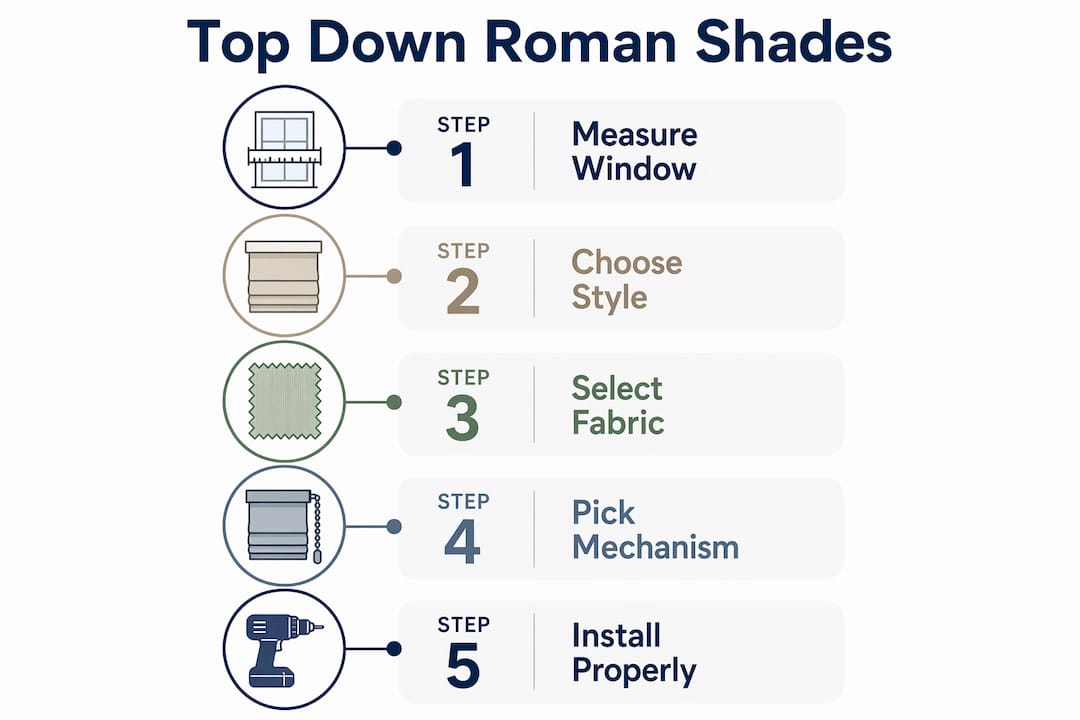
- Measure the window width at three points: top, middle, and bottom of the frame. Use the smallest measurement and deduct 1/4 inch for inside mount clearance.
- Measure the height from the top of the frame to the sill at three points. Use the largest measurement for inside mount.
- Check your frame depth. Inside mount requires a minimum of 1.5 to 2 inches of flat frame depth for the dual bracket system to sit properly.
- If your window opens inward, outside mount is the better choice. Inside mount brackets will block the sash from swinging open.
- For outside mount, add 2 to 4 inches to each side of the window width and 3 to 4 inches above the frame to minimize light gaps and create the appearance of a larger window.
The Valueblindsdirect window measuring guide covers both inside and outside mount scenarios with diagrams, which is worth reviewing before you place a custom order.
Installation notes
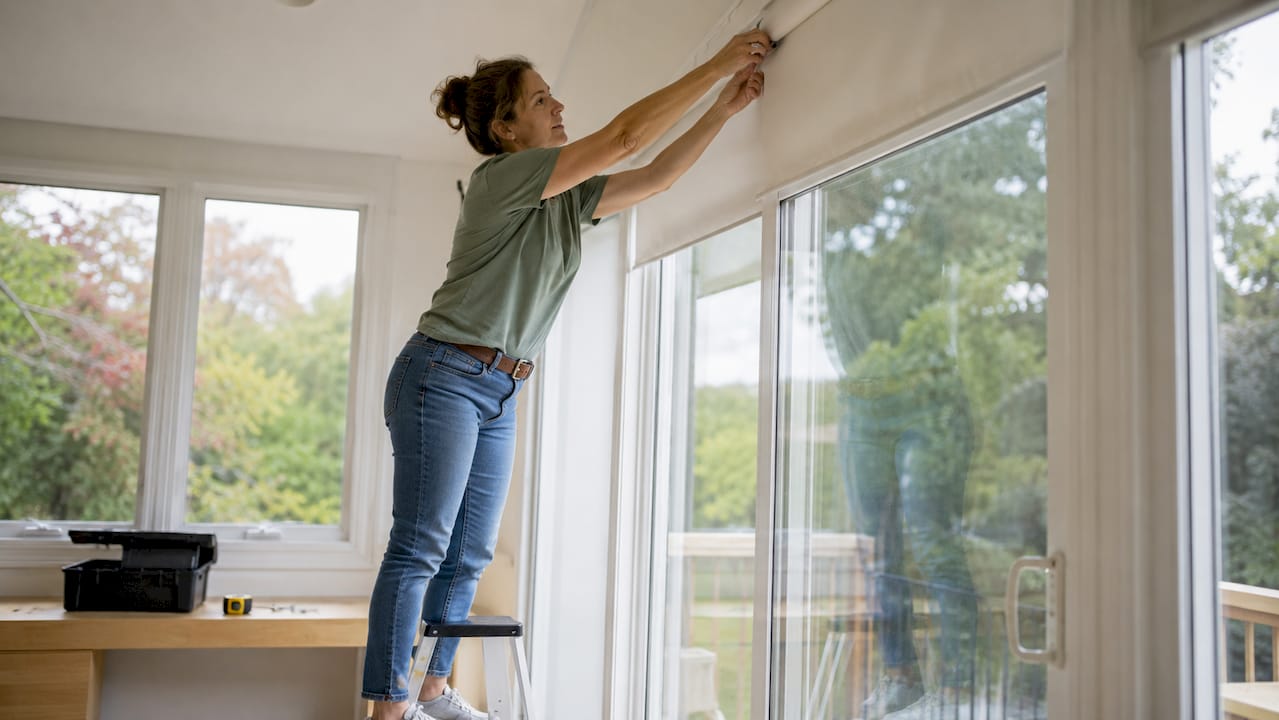
- TDBU shades require two separate mounting brackets per side, one for each rail. This doubles the hardware compared to a standard roman shade.
- Mark bracket positions with a pencil before drilling. Misaligned brackets cause the rails to bind.
- Test both rails before securing the valance. It is much easier to adjust bracket height before the fabric is fully installed.
- For inside mount blinds, confirm the frame is square. An out of square frame causes the shade to hang crooked even when the brackets are level.
What rooms benefit most from top down roman shades?
These shades excel in rooms where you need natural light and privacy at the same time. That combination is harder to achieve than it sounds, and standard shades force you to choose one or the other.
- Bathrooms: Lower the top rail to bring in sky light while the bottom rail stays closed at eye level. You get a bright, airy feel without exposing the room to neighbors or passersby.
- Bedrooms: Use the bottom rail raised at night for full blackout, then lower the top rail in the morning to let in light without opening the shade entirely.
- Street facing living rooms: The top down position lets you see the sky and treetops while blocking the sightline from the sidewalk into your room.
- Home offices: Reduce screen glare by lowering the top rail just enough to cut direct sun while keeping the lower portion of the window open for ambient light.
- Kitchens: A relaxed fold style in a light filtering fabric gives a casual look while the top down position keeps the window feeling open during the day.
Motorized versions make the most sense for windows above counters, over bathtubs, or in stairwells where reaching the rails by hand is awkward. For standard bedroom and living room windows, cordless operation is faster and more reliable for daily use. Some rooms, such as a basement media room or a north facing bedroom, may not need TDBU at all. A standard roman shade with a blackout liner is simpler and less expensive in those cases.
Cost considerations and buying tips
Budget cordless models start around $60 to $120 per shade. Custom options with fabric choice and precise sizing run $120 to $250. Motorized premium shades cost $250 to $500 or more per shade. The dual rail mechanism adds cost at every tier compared to standard roman shades, so plan for that gap in your budget.
- Confirm the product is TDBU, not top down only, before ordering. This is the most common and most expensive mistake buyers make.
- Choose cordless for windows up to about 48 inches wide. For wider or heavier shades, corded versions offer more consistent tension.
- Custom sizing matters more for TDBU shades than for standard shades because both rails need to travel the full height of the window without binding.
- If you want motorization, verify that the specific fabric and size you want is available in a motorized TDBU configuration. Not all fabric lines support it.
- For living rooms with multiple windows, ordering all shades from the same fabric dye lot keeps colors consistent across the room.
Pro Tip: Ask for a sample of the operating mechanism, not just the fabric. Some brands offer a small demo unit that shows how the cordless tension feels. A stiff or jerky mechanism in the sample means the full size shade will be frustrating to use daily.
Key takeaways
Top down roman shades deliver genuine privacy and light control only when they use a true dual rail TDBU mechanism, so verifying that spec before purchase is the most important step in the buying process.
| Point | Details |
|---|---|
| Confirm TDBU before buying | Many “top down” shades are not dual rail. Check specs for TDBU or dual-rail operation. |
| Cordless is the safest choice | The Consumer Product Safety Commission recommends cordless or motorized for homes with children and pets. |
| Measure in three spots | Use the smallest width and largest height for inside mount; check for minimum 1.5 inch frame depth. |
| Match fabric to room function | Blackout for bedrooms, light filtering for living areas, moisture resistant for bathrooms. |
| Motorization needs verification | Not all TDBU models support motorization. Confirm compatibility with your chosen fabric and size. |
What I have learned from living with these shades
I have seen homeowners install beautiful TDBU roman shades and then barely use the top down function because they never built it into their daily routine. The real value of these shades comes from treating the top rail position as a preset you return to every morning, not a feature you adjust once and forget. Once you find the position that cuts glare on your TV or brings in morning light without waking a sleeping partner, you will use it every single day.
The one trade off nobody mentions is stack height. When both rails are in use simultaneously, the fabric stacks in the middle of the window. On a short window, that stack can block a significant portion of your view. I always recommend measuring the stack height before ordering, especially for windows under 48 inches tall.
Cordless operation genuinely changes how often you adjust the shades. With corded versions, people tend to set them once and leave them. With cordless, the ease of a quick push or pull means you actually use the TDBU function the way it was designed. For top down window shades in bathrooms and bedrooms, cordless is not just a safety feature. It is what makes the shade worth the extra cost.
For rooms with high or awkward windows, motorization pays for itself in convenience within the first month. For everything else, cordless is the right call.
— Sunny
Find your perfect top down roman shade at Valueblindsdirect
Valueblindsdirect carries a full selection of cordless and motorized TDBU roman shades in flat fold, soft fold, relaxed, and hobbled styles, with fabric options ranging from blackout to sheer. Every shade is made to your exact measurements, so you get a fit that works with your window rather than against it.
The Window Treatment Design Studio at Valueblindsdirect lets you visualize fabric and style combinations on your actual window dimensions before you order. Free swatches, expert support, and detailed measurement guides are included with every order. If you want cordless window treatments that are safe, stylish, and built to last, Valueblindsdirect is the place to start.
FAQ
What is the difference between top down and top down bottom up roman shades?
A top down only shade lowers the top rail but the bottom stays fixed. A top down bottom up (TDBU) shade has two independent rails, so you can lower the top and raise the bottom at the same time for full control over light and privacy.
Are cordless top down roman shades safe for homes with kids?
Yes. The Consumer Product Safety Commission recommends cordless or motorized window coverings for homes with children and pets because traditional cords pose an entanglement risk. Cordless TDBU shades are the safest and most practical option for family homes.
How much do top down roman shades cost?
Budget cordless models start around $60 to $120 per shade. Custom roman shades with precise sizing and fabric selection run $120 to $250, and motorized premium versions cost $250 to $500 or more per shade.
Can top down roman shades be motorized?
Some TDBU models support motorization with app and voice control, but not all fabric lines or sizes are available in motorized versions. Always confirm motorization compatibility with the specific shade you want before ordering.
How do I measure for inside mount top down roman shades?
Measure the window width at three points and use the smallest measurement, deducting 1/4 inch for clearance. Check that your frame has at least 1.5 to 2 inches of flat depth for the dual bracket system. The Valueblindsdirect inside mount guide walks through each step with diagrams.