Recyclable Window Treatment Options for Eco Homes
TL;DR:
- Recyclable window treatments use materials that can be recovered, reused, or composted without landfilling.
- Choosing certified sustainable options like bamboo, FSC-certified wood, or recycled fabrics ensures genuine eco-friendly benefits.
Recyclable window treatment options are defined by their use of materials that can be recovered, reused, or composted at the end of their life without contributing to landfill waste. The industry term for this category is “sustainable window coverings,” which includes products certified under standards like the Forest Stewardship Council (FSC) and the Global Recycled Standard (GRS). Bamboo, FSC-certified wood, recycled polyester, and natural fibers like linen and organic cotton represent the strongest choices available today. Choosing certified materials is the single most reliable way to verify that a product’s eco claims hold up beyond the marketing.
1. What are the best recyclable window treatment options by material?
The material a window treatment is made from determines whether it can truly be recycled, composted, or responsibly disposed of. Not all “natural” products qualify. Here are the top materials worth knowing.
Bamboo
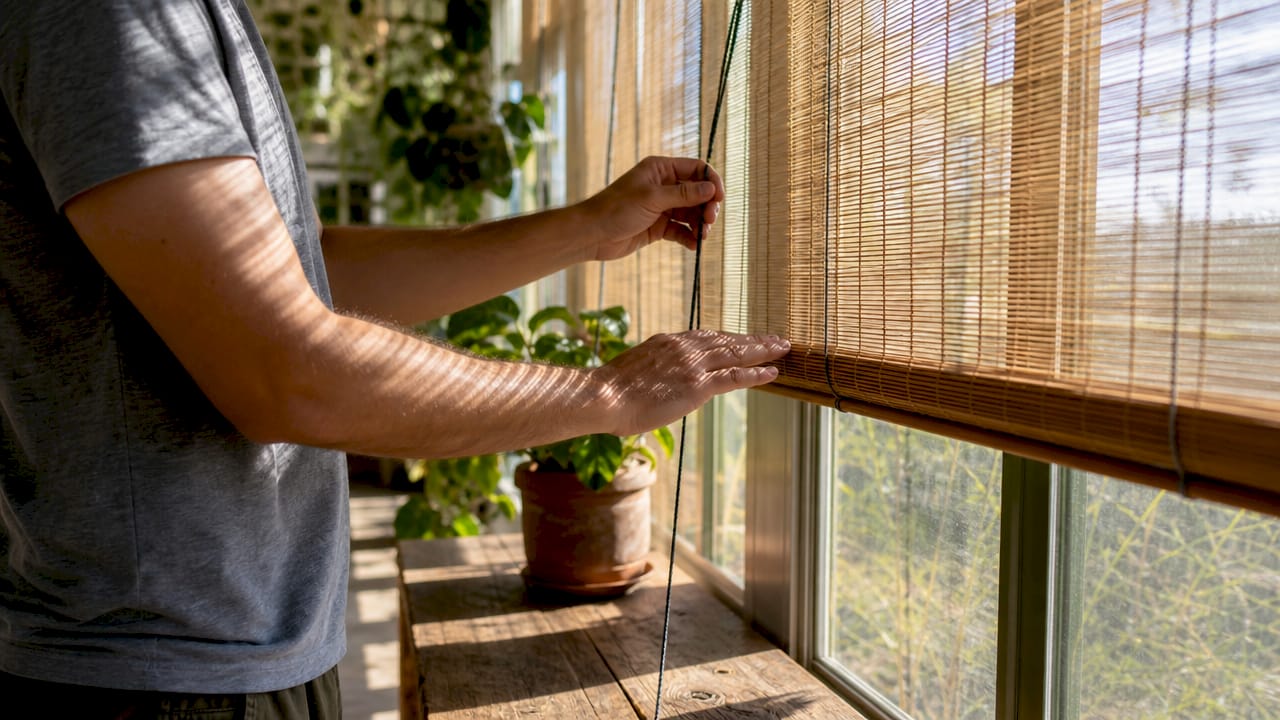
Bamboo is a rapidly renewable grass that regrows without replanting, making it one of the most sustainable raw materials for window treatments. Unlike hardwood trees that take decades to mature, bamboo reaches harvest size in three to five years. That speed dramatically reduces pressure on forests. The eco value of bamboo depends on ethical harvest and labor practices in sourcing regions, so look for suppliers who disclose their supply chain.
FSC-certified wood
FSC-certified wood blinds come from forests managed to strict environmental and social standards. The FSC label is one of the most credible certifications in the building materials industry. It guarantees that the wood was harvested without destroying ecosystems or exploiting workers.
Recycled polyester and GRS-certified textiles
Advanced textile manufacturers produce fabrics with up to 50% post-consumer recycled fibers certified by the Global Recycled Standard. That means half the fabric content comes from materials that would otherwise end up in a landfill. Products like SheerWeave RE-USE fabric are made from 85% REPREVE recycled polyester sourced from plastic bottles, are 100% PVC-free, and carry low-VOC finishes that protect indoor air quality.
Natural fibers: jute, linen, and organic cotton
Natural fiber window coverings such as organic cotton, linen, and jute biodegrade without releasing toxic byproducts. They reduce landfill waste and promote healthier indoor environments free from synthetic off-gassing. Linen is particularly durable for its weight, making it a practical choice for high-traffic rooms.
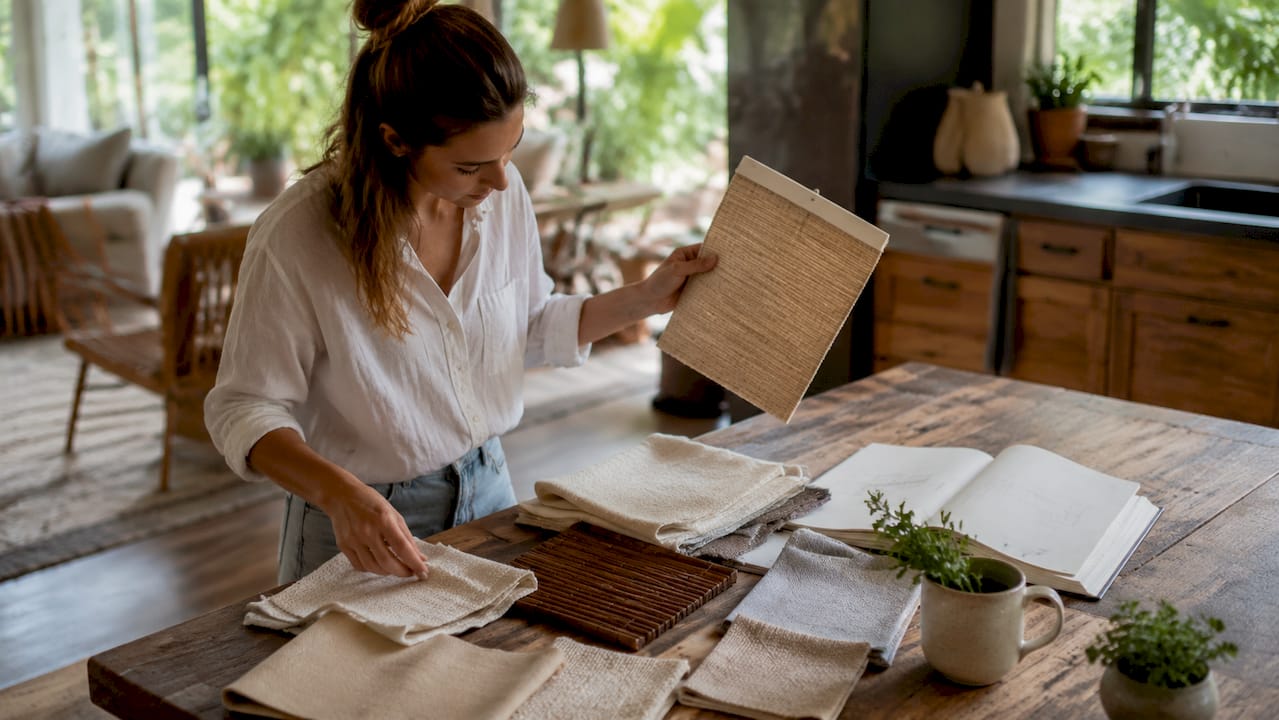
Pro Tip: Request fabric swatches before ordering. Feeling the texture and checking for any chemical smell helps you identify synthetic coatings that could compromise biodegradability.
2. How long do recyclable window treatments last?
Durability is the most underrated factor in sustainable purchasing. A product that lasts 15 years has a far smaller environmental footprint than one replaced every three years, even if the shorter-lived product is made from recycled content.
Commercial-grade natural weaves lasting 10–15 years are preferable to replacing recycled synthetics every 3–5 years. That longer lifespan avoids repeated production and shipping costs, which carry their own carbon footprint. Durability is not just a comfort factor. It is a core environmental metric.
Here is what to expect from common materials:
- Bamboo and FSC-certified wood: 10–15 years with proper care, including occasional oiling and protection from moisture.
- Natural fibers (untreated linen, jute, organic cotton): Biodegrade in 5–10 years when disposed of properly, without synthetic coatings interfering.
- Recycled polyester (GRS-certified): Durable for 7–12 years but does not biodegrade. It should be returned to textile recycling programs at end of life.
- Synthetic-coated natural shades: Many woven wood or bamboo shades are finished with synthetic lacquers or plastic coatings that prevent composting or biodegradation.
Pro Tip: Choose untreated or oil-finished natural products whenever possible. Synthetic additives may improve water resistance, but they eliminate the biodegradability that makes natural fibers worth choosing in the first place.
3. Energy efficiency and environmental performance of eco-friendly window coverings
Sustainable window coverings do more than reduce waste. They actively improve a home’s energy performance, which lowers both utility bills and long-term carbon output.
Cellular shades, also called honeycomb shades, trap air in their pockets to create a thermal barrier between the window and the room. This insulation effect reduces heat loss in winter and heat gain in summer. Natural woven materials like bamboo and grass weaves provide similar benefits through their density and breathability. The weave tightness directly controls how much light and heat pass through.
| Material | Insulation level | Light control | Biodegradable |
|---|---|---|---|
| Cellular shades (recycled polyester) | High | Adjustable | No |
| Bamboo woven shades | Medium | Filtered | Yes (untreated) |
| Linen drapes | Low to medium | Soft diffusion | Yes (untreated) |
| FSC-certified wood blinds | Medium | Full control | Yes |
| GRS-certified recycled fabric | Medium | Adjustable | No |
Low-VOC and toxin-free finishes on eco-friendly window shades also improve indoor air quality. Conventional window treatments can off-gas volatile organic compounds for months after installation. Products certified under GRS or finished with water-based coatings avoid this problem entirely.
Smart shading technologies that adjust automatically save energy by optimizing sunlight without sacrificing style. Motorized shades can be programmed to open and close based on time of day or temperature, reducing reliance on heating and cooling systems. This is one of the most practical upgrades an eco-conscious homeowner can make.
4. Practical tips for selecting and maintaining green window coverings
Choosing the right product is only the first step. How you care for and eventually dispose of your window treatments determines their true environmental value.
- Check certifications before buying. Look for FSC, GRS, or OEKO-TEX labels on product pages. These are independently verified standards, not self-declared marketing claims. A sustainability certification guide can help you understand what each label actually guarantees.
- Match material to room conditions. Bamboo and wood perform best in dry rooms. Humid spaces like bathrooms need moisture-resistant options such as GRS-certified recycled polyester or treated natural fibers.
- Clean gently to extend lifespan. Dust natural fiber shades with a soft brush or vacuum on a low setting. Avoid harsh chemical cleaners, which degrade natural fibers and introduce toxins into your home.
- Donate before discarding. Habitat for Humanity ReStores and local thrift organizations accept window treatments in good condition. Donating extends the product’s useful life and keeps it out of landfills.
- Recycle at end of life. GRS-certified polyester products can go to textile recycling programs. Natural fiber products that are untreated can be composted. Check with your local waste management provider for drop-off locations.
- Prioritize quality over price. A well-made bamboo shade at a higher price point will outlast a cheap synthetic alternative by years. That longer lifespan reduces the total number of products you buy and dispose of over time.
Pro Tip: When shopping for eco-friendly window shades, ask the retailer specifically whether the product contains any PVC components or synthetic lacquer finishes. These details are often buried in product specs but matter significantly for end-of-life recyclability.
Key takeaways
The most effective recyclable window treatment options combine certified sustainable materials, long product lifespans, and responsible end-of-life disposal to minimize total environmental impact.
| Point | Details |
|---|---|
| Certifications matter most | Look for FSC, GRS, or OEKO-TEX labels to verify eco claims beyond marketing language. |
| Durability reduces footprint | A 10–15 year product beats a 3–5 year recycled alternative in total environmental cost. |
| Coatings affect biodegradability | Synthetic lacquers on natural shades prevent composting; choose untreated or oil-finished products. |
| Energy efficiency adds value | Cellular and woven shades reduce heating and cooling costs, lowering long-term carbon output. |
| Disposal planning is required | Recycle polyester products through textile programs; compost untreated natural fibers locally. |
Why durability deserves more attention than material alone
Most conversations about sustainable window coverings focus on what something is made from. That is the right starting point, but it misses the bigger picture. The most eco-conscious choice is often the one that lasts the longest, not the one with the most natural-sounding label.
I have seen homeowners replace cheap bamboo shades every few years because the product was poorly constructed, despite the material being genuinely renewable. The carbon cost of manufacturing, packaging, and shipping a replacement product often exceeds the environmental benefit of the original sustainable material. Durability is the multiplier that makes everything else count.
The other thing I push back on is the assumption that natural always means better. An untreated linen shade is genuinely biodegradable. A linen shade coated in synthetic lacquer to improve its sheen is not. The finish changes the entire end-of-life equation. Reading product specs carefully, not just the headline material claim, is what separates a truly sustainable purchase from a greenwashed one.
Certifications like FSC and GRS exist precisely because self-declared eco claims are unreliable. When a product carries one of these labels, a third party has verified the supply chain. That verification is worth paying for. Exploring sustainable window design options with certified materials is the most reliable path to a home that reflects genuine environmental values, not just good intentions.
— Sunny
Valueblindsdirect’s sustainable window treatment collections
Valueblindsdirect carries a curated range of natural woven shades made from bamboo and grass weaves, along with FSC-certified wood blinds and recycled fabric options built for eco-conscious homes. Each product can be customized to your exact window dimensions, with motorization available for homeowners who want automated light and energy control.
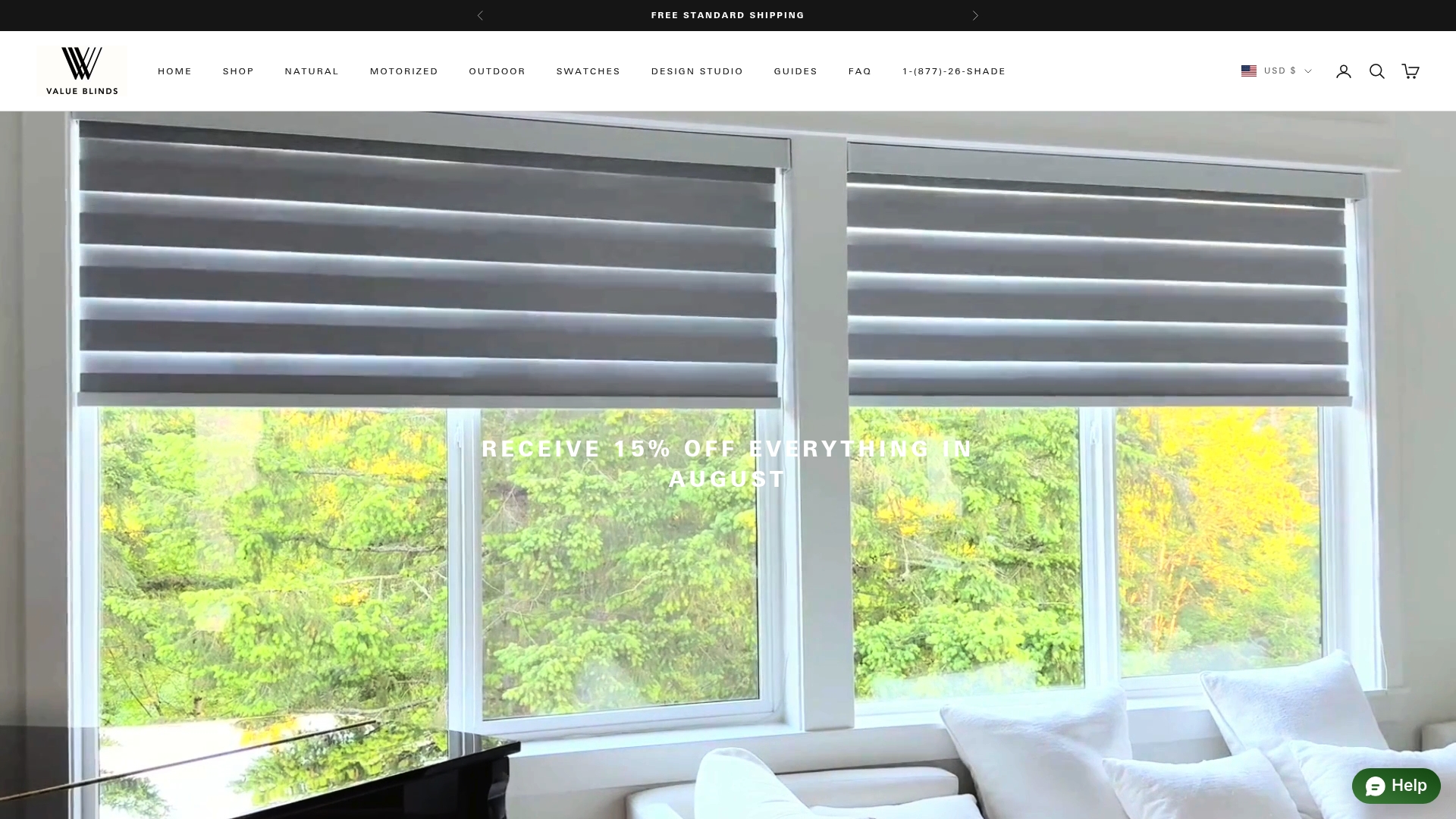
If you want help matching the right material to your room’s light conditions, humidity levels, and design goals, the Window Treatment Design Studio at Valueblindsdirect offers personalized guidance. You can request free swatches, get expert recommendations, and order with confidence knowing your choices are backed by real sustainability standards.
FAQ
What makes a window treatment truly recyclable?
A window treatment is truly recyclable when its materials carry verified certifications like GRS or FSC and contain no synthetic coatings that prevent composting or textile recycling at end of life.
Are bamboo blinds biodegradable?
Untreated bamboo blinds biodegrade in 5–10 years when disposed of properly. Bamboo shades finished with synthetic lacquers or plastic coatings do not biodegrade as intended.
What is the Global Recycled Standard (GRS)?
The Global Recycled Standard is an independent certification that verifies recycled content in products, confirming that materials like recycled polyester come from post-consumer sources and meet environmental and social criteria.
Do eco-friendly window coverings improve energy efficiency?
Yes. Cellular shades and tightly woven natural materials create insulation barriers that reduce heat transfer, lowering heating and cooling costs throughout the year.
How should I dispose of old window treatments sustainably?
Donate usable treatments to organizations like Habitat for Humanity ReStores. Compost untreated natural fiber products locally. Return GRS-certified polyester products to textile recycling programs.