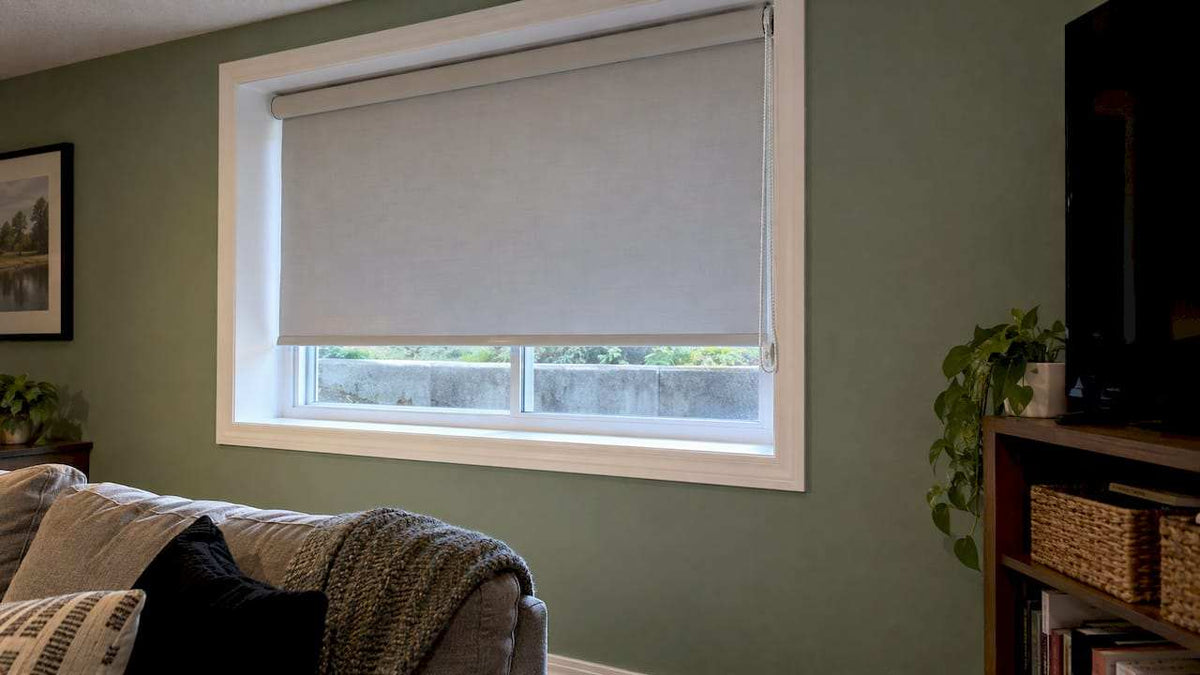

Article: The Role of Light Filtering in Interior Design
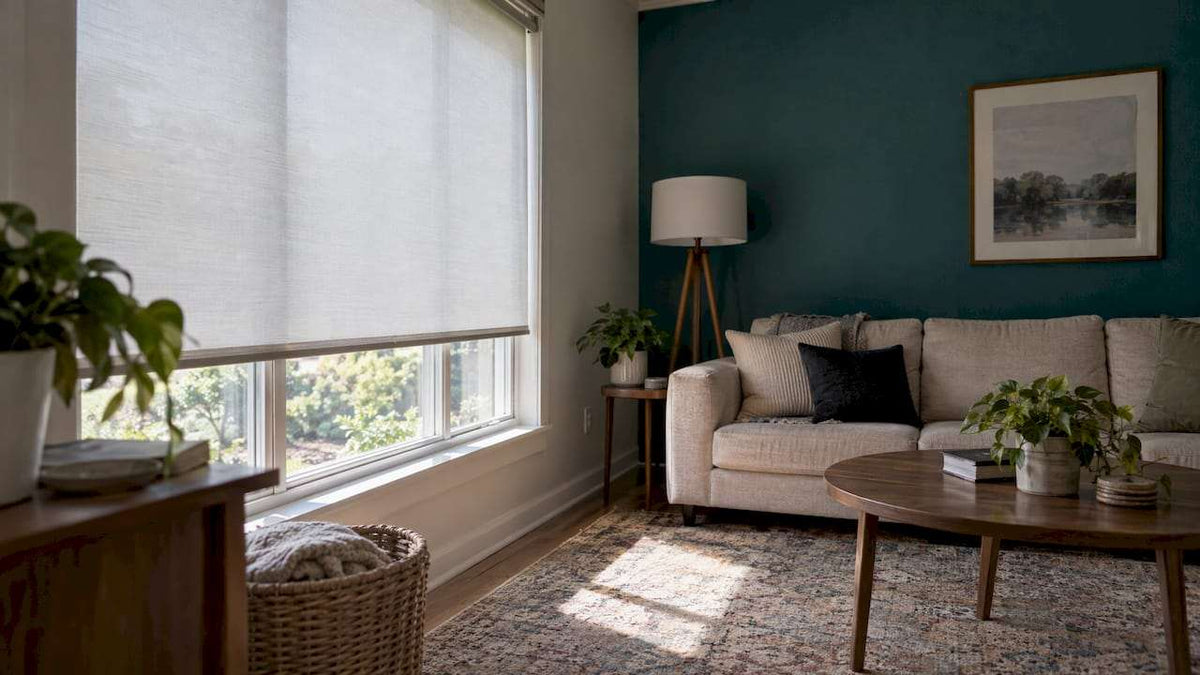
The Role of Light Filtering in Interior Design
Light filtering is the design move that turns harsh, direct sun into soft, even daylight, so a room feels bright, private and comfortable instead of glaring. It shapes how color looks, how materials read and how usable a space is at different hours. For most homes, the simplest way to get it is a light filtering window treatment, such as our light filtering roller shades, which scatter sunlight as it comes through the fabric. ☀️
TL;DR
- Light filtering means daylight passes through a translucent material and spreads out, rather than being blocked (blackout) or arriving raw (a bare window).
- It reduces glare and harsh contrast, which makes rooms easier on the eyes and lets you keep your screens, art and furniture visible.
- It keeps a room bright by day and gives daytime privacy, but it is not a night-time privacy or darkness solution on its own.
- Window direction matters: south-facing rooms need the most control, while east and west rooms change fast through the day.
- Pair filtered daylight with layered artificial light, and consider double shades where one window has to do both jobs.
Table of Contents
- What light filtering actually means
- Why designers care: glare, contrast and comfort
- How filtered light changes mood
- How it affects color
- Privacy without losing the light
- Light filtering, darkness and sleep
- Materials and finishes that create soft light
- Choosing the right treatment style
- Pairing filtered daylight with artificial light
- Practical things to plan for
- Our take on light filtering
- Ready to bring in softer light?
- FAQ
- Sources
What light filtering actually means
In interior design, “light filtering” describes any material that lets daylight in but changes its character on the way. The fabric or slats are translucent, so the light that reaches the room is diffused: spread over a wider area, softer at the edges and with fewer hard shadows.
It helps to think of three levels of control:
- Open or sheer: lots of light, little privacy, strong glare when the sun is low.
- Light filtering: daylight is softened, you still see brightness and a hint of the outside, and you get privacy during the day.
- Room darkening and blackout: most or all light is stopped. Great for sleep, not for ambience.
Our guide to what light control labels mean when you buy blinds walks through these categories room by room, if you want the buying-side view.
The key point is that filtering is not about making a room darker. It is about changing the quality of the light, and that is what designers care about most.
Why designers care: glare, contrast and comfort
Unfiltered sun is a lighting problem before it is a decorating one. Glare is excessive brightness or contrast that causes discomfort and reduces visibility, which Harka Architecture describes as hurting how usable a space is. You know the feeling: a bright rectangle on the wall, a washed-out TV, a laptop you cannot read.
The U.S. Department of Energy-backed Building America Solution Center explains that light-filtering window attachments let diffuse natural light in while reducing harsh glare from direct sunlight. That one sentence covers the whole design logic: you keep the daylight, you lose the glare.
There is a second benefit. Harka recommends filtering daylight rather than relying on direct sun to get bright, ambient light that suits what the room is used for. A home office, a living room and a nursery all need different amounts, but all of them benefit from light that is even rather than patchy.
How filtered light changes mood
What a room feels like depends heavily on how light enters it. ACE Lighting Update notes that clear glass can cause glare and high contrast, while translucent materials spread light evenly and diffuse daylight. The same source says the envelope of a space decides whether it feels bright and airy, diffused and moody, or calm and soothing.
In practice:
- Living rooms feel calmer and more inviting when afternoon sun is softened, because shadows lose their hard edges.
- Bedrooms feel restful when morning light arrives gently rather than as a spotlight.
- Kitchens and dining rooms look better when light is even across surfaces, so food and finishes look natural.
- Home offices gain a steadier, lower-contrast environment for screen work.
A soft glow also flatters materials. Wood grain, textured walls and fabric look richer under diffused light, while direct sun tends to flatten them or bleach them out.
How it affects color
Designers test paint in the room for a reason. Color shifts with the direction a window faces and with the hour. A Benjamin Moore continuing education article explains that north-facing light tends to be diffuse and cool, so stronger colors show well while lighter ones look subdued. It adds that south-facing rooms get the most light, which can be a problem if left uncontrolled, and that east and west rooms swing noticeably through the day, with warm colors generally working well.
Sherwin-Williams gives a vivid example: a warm orange-red can look brighter and warmer in a north-facing room but intensely vivid in a west-facing room in late afternoon.
What does that mean for your window treatment? Filtering takes the edge off the extremes. In a west-facing room, softened late sun keeps that intense color shift in check. In a south-facing room, it keeps bright rooms from overpowering your palette. Think of filtering as a dimmer for color intensity, not just brightness.
A quick orientation cheat sheet
| Window faces | What the light does | What filtering helps with |
|---|---|---|
| North | Diffuse, cool, steady | Usually needs little control; filtering adds privacy and a softer finish |
| South | Strongest light most of the day | Cuts glare and keeps color from washing out |
| East | Bright, warm morning sun | Softens early light so mornings feel gentle |
| West | Low, intense late-afternoon sun | Tames glare and color intensity at the end of the day |
The National Fenestration Rating Council’s consumer guide adds a practical tip: blinds can be adjusted to compensate for different sun angles in east- or west-facing windows, which is useful when you want the same room to work at 8 a.m. and 5 p.m.
Privacy without losing the light
The question readers ask most is whether they can see out but others cannot see in. During the day, light filtering fabrics are designed for exactly that balance: the brighter side is the outside, so passers-by mostly see a glow, not your living room. The Building America Solution Center lists enhanced privacy among the benefits of interior window attachments, including light-filtering roller shades.
Here is the catch designers always mention: it flips at night. When the lights are on inside and it is dark outside, a translucent shade lets people outside see shapes and silhouettes. If you want evening privacy, you have three options:
- Choose a denser or darker light filtering fabric.
- Layer a second shade behind the first.
- Use a double roller or zebra style, where one layer filters and one darkens.
Our double roller shades buying guide covers the day-and-night approach, and our piece on window coverings for privacy covers how to pick by room.
Light filtering, darkness and sleep
Filtering is for daytime atmosphere. Sleep is a different job. The Building America Solution Center notes that interior shades can also reduce nighttime light intrusion, improving sleeping conditions, but a light filtering fabric on its own will not give you a dark room when a streetlight or bright morning sun is in play. For bedrooms and nurseries, many people combine a filtering layer for the day with a room darkening layer for rest. If you are planning a baby’s room, this explainer on why newborns need darkness shows why that second layer matters. 😴
Materials and finishes that create soft light
The window treatment is one piece of a larger system. Surfaces in the room decide where that softened light ends up.
- Light walls: The NFRC advises light-colored wall paint to reflect natural light farther into the room.
- Mirrors and reflective accents: The same guide suggests mirrors or reflective surfaces in naturally lit areas to help spread light evenly.
- Floors: ACE Lighting Update recommends light-colored floors with reflectance around 20% to bounce light deeper into a room, and notes that matte or low-sheen finishes reduce glare and give a cozy, natural look.
- Glazing: Harka notes that low-e coatings and low visible light transmittance glass can help, and that fritted, etched or laminated glass diffuses light, though it compromises views.
A good rule: if you have glossy floors and white walls, even a light filtering shade can leave a lot of sparkle, so consider a matte surface or a slightly denser fabric. If you have dark floors and deep paint, a lighter, more open fabric keeps the room from feeling heavy.
Choosing the right treatment style
Different products filter light in different ways, and each has a look.
Roller shades
Clean lines and a wide range of fabric weights make roller shades the easy choice for modern and transitional rooms. Our custom light filtering roller shades article looks at balancing privacy and style, and you can browse the roller shades collection to compare fabrics.
Zebra shades
Alternating sheer and solid bands let you slide between filtered light and more privacy by lining the bands up or offsetting them. They suit rooms where the lighting need changes through the day. See our zebra shades.

Cellular shades
The honeycomb structure gives a soft, even glow and a tailored, quiet look. Our light filtering cellular shades are a good fit for bedrooms and living spaces, and the cellular shade collection has more options.
Roman shades and natural materials
When warmth and texture are the goal, Roman shades and natural bamboo blinds add tactile character while softening the light that passes through.
Wood and faux wood blinds
Slatted blinds filter light by angle: tilt the slats and you steer the light toward the ceiling, where it bounces down softly. Browse solid wood blinds or faux wood blinds.
Pairing filtered daylight with artificial light
The best-lit rooms treat daylight and lamps as one system. Yale’s lighting design standards say that blinds, diffusers and light shelves should be used to control distribution, brightness and glare, and that interior lighting should be arranged so areas can be switched off or dimmed when there is enough natural light.
At home, that translates to a simple layering plan:
- Daytime: Let the filtered daylight do the work, with lamps off.
- Task areas: Add a desk lamp or reading light where you need focus.
- Evening: Bring in warm, dimmable accent lighting once the sun fades.
There is an energy angle too. The Building America Solution Center states that diffuse natural light carries less waste heat than nearly any lighting technology, so good daylighting can save both lighting and cooling energy.
The UK’s CIBSE, in an August 2026 statement on integrative lighting, describes the principle of bright days and dark nights: daylight first by day, electric light as a complement when daylight is missing or poorly distributed. Well-filtered daylight is how you make daytime light usable across the whole room.
Practical things to plan for
Heat. Interior shades are less effective at reducing heat gain than exterior shading because they do not block sunlight until it has already passed through the glass. If summer heat is your biggest issue, an exterior solution works best, and Renew points to external shading such as awnings first when minimizing heat gain is the main aim, with semi-transparent blinds or curtains for privacy and glare. That is why we offer exterior shades and retractable awnings alongside interior options.
Condensation in cold weather. When you use interior shades to cut winter heat loss, the Building America Solution Center cautions that condensation or frost can form on the glass, which can lead to peeling paint, trim damage and mold. Keep an eye on windows in cold climates, and open shades occasionally to let air circulate.
Measurements. A shade that fits well filters light evenly and avoids bright gaps at the edges. Accurate measurements matter more than most people expect. We offer measurement guides, and optional paid Pro Measure & Install if you would rather hand it off.

Fabric choice. Order free swatches and hold them up at the window at different times of day. A fabric that looks airy at noon can look different at 5 p.m.
Our take on light filtering
We think of light filtering as the most underrated design decision in a room. People spend weeks on paint, rugs and furniture, then leave the window bare and wonder why nothing looks quite right.
Filtered daylight is what makes a palette behave. It flatters the colors you chose, calms glare on screens and gives you privacy without closing off the sky. That is why light filtering shades are at the center of what we make: roller, zebra, cellular and Roman styles in a wide range of fabrics and colors, plus motorized and cordless options when you want everything to move at the touch of a button.
Our advice: start with the room’s direction, pick the fabric weight that matches how you use the room, and layer a second shade where you want evening privacy or real darkness. Request swatches, look at them at different hours, and trust what you see on your own wall.
Sunny
Ready to bring in softer light?
If you are redoing a room, start with the window. Our made-to-order roller shades, zebra shades, cellular shades and more come in light filtering options, with free swatches so you can check the fabric in your own light, measurement guides to help you get the fit right, and optional professional measuring and installation.
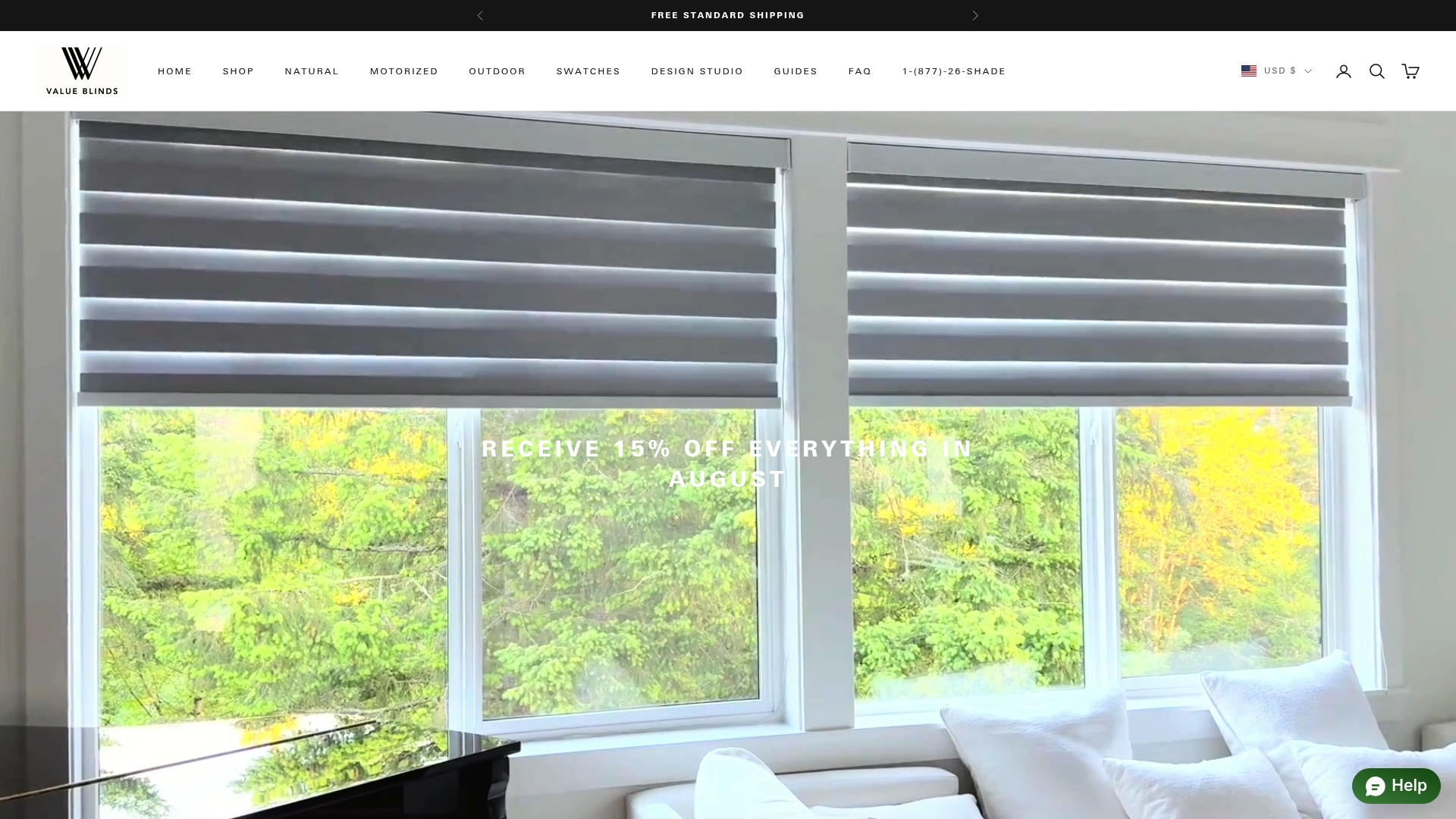
If you want one window to handle both day and night, look at zebra shades or a double roller setup.
FAQ
What does a light-filtering window treatment do?
It lets daylight pass through a translucent fabric or slat arrangement and spreads that light softly across the room. You get brightness without the harsh glare of direct sun, plus daytime privacy. It does not make a room dark, so it works best as the daytime layer.
Can people see in through light filtering shades?
During the day, usually not much, because the outdoors is brighter than your room. At night with lights on inside, silhouettes can show. For evening privacy, choose a denser fabric, layer a second shade or use a dual-layer style such as zebra or double roller shades.
Which rooms benefit most from light filtering?
Living rooms, home offices, kitchens and dining areas gain the most, since you want light for activity but without glare. South- and west-facing rooms are the biggest winners, because their light is the strongest. Bedrooms often pair filtering with a darker layer.
Is light filtering the same as blackout?
No. Light filtering softens and diffuses daylight, while blackout is meant to stop nearly all of it. Many homes use both: filtering for daytime ambience and blackout or room darkening for sleep.
Sources
- Designing with daylight, ACE Lighting Update
- Natural Light, NFRC Consumer Guide to Windows
- The Science of Light and Its Impact on Paint Color, Benjamin Moore course, BNP Media
- The Play of Light and Color, Sherwin-Williams
- Window Attachments for Solar Control and Energy Efficiency, Building America Solution Center
- Daylighting 101: Controlling Daylight, Harka Architecture
- Lighting design standards, Yale Facilities
- Position Statement on Integrative Lighting, CIBSE
- High-performance curtains and blinds, Renew