
Staging Window Treatments: What They Are and Why They Work
TL;DR:
- Window treatments selected for home staging focus on neutrality, light control, and visual proportion to appeal to buyers. Proper installation techniques, such as mounting rods higher and wider, enhance perceived room size and height, increasing market appeal. Budget-friendly, uniform window coverings can significantly improve a home’s presentation and buyer perception without high costs.
Staging window treatments are intentionally chosen curtains, blinds, or shades selected to showcase a home’s best features and appeal to the widest range of buyers. Unlike everyday window coverings chosen for personal taste, staging treatments prioritize neutral appeal, light quality, and visual proportion. They function as a finishing architectural layer that shapes how buyers feel the moment they walk into a room. Real estate professionals and homeowners who treat window coverings as foundational, not decorative, consistently see stronger buyer engagement and firmer offers.
What are staging window treatments and why do they matter?
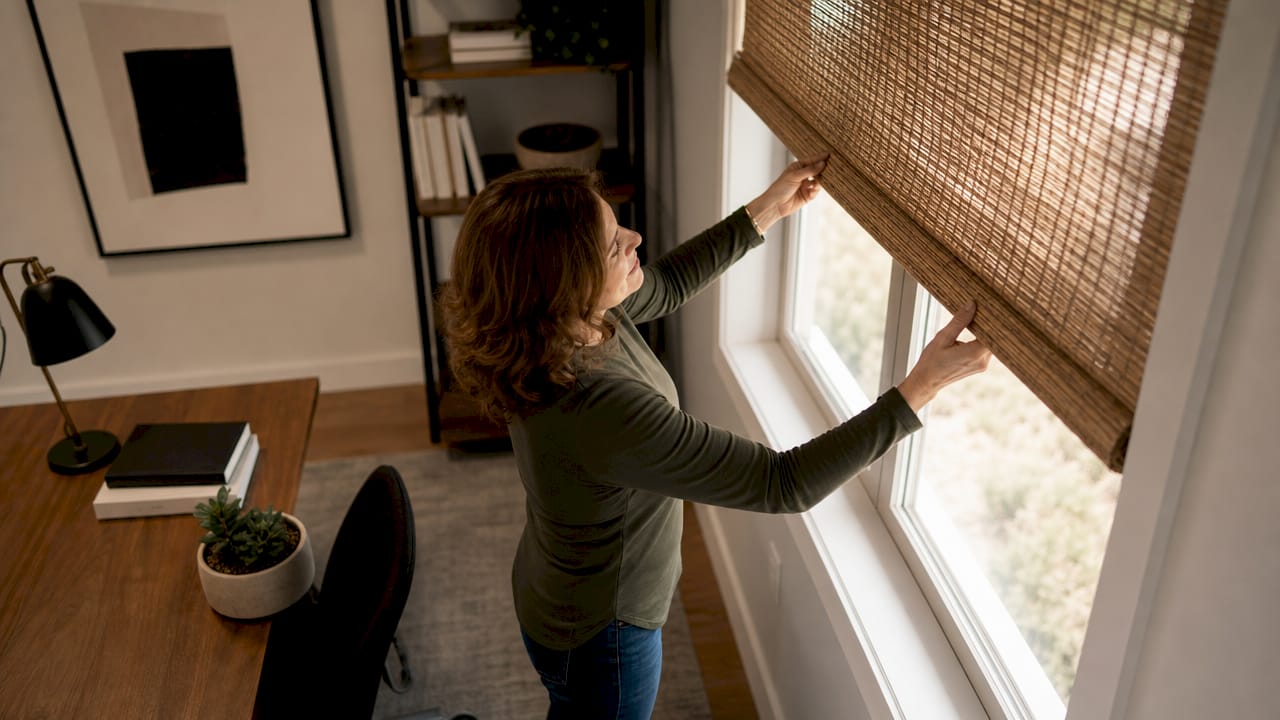
Staging window treatments are curated window coverings chosen specifically for the sale process, not for the current owner’s preferences. The goal is to present each room at its visual best for listing photography, open houses, and buyer walkthroughs. They balance natural light, privacy, and proportion in ways that generic or personal window coverings rarely achieve.
The role of window treatments in home staging is widely underestimated. Most sellers view them as optional, yet they are one of the few elements buyers notice within seconds of entering a room. A window dressed with a clean, neutral shade reads as a maintained, move-in-ready home. A window with broken blinds or heavy, dated drapes signals deferred upkeep and invites price negotiation.
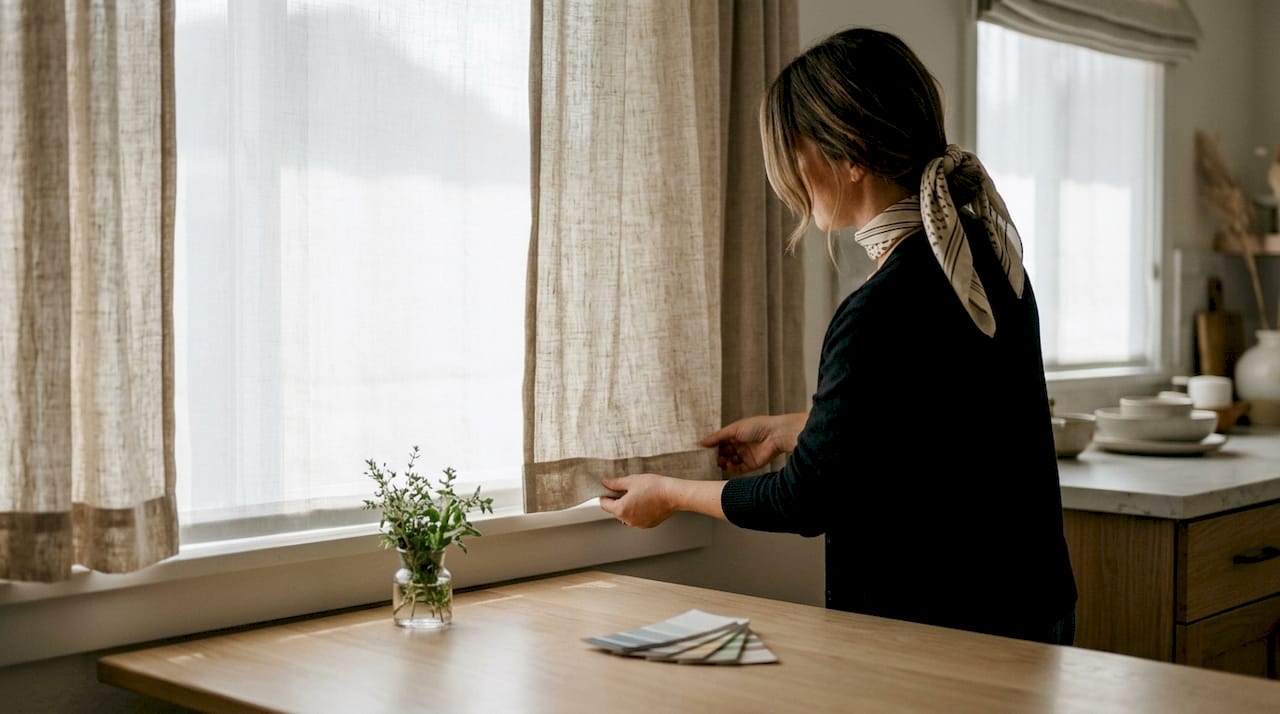
Window treatments also affect listing photography in ways that matter before a buyer ever steps inside. Harsh glare, dark corners, or mismatched coverings all reduce photo quality. Neutral, light-filtering treatments create even, flattering light that photographs well and draws buyers to schedule showings.
Valueblindsdirect offers a broad catalog of staging-ready options, from roller shades to cellular shades, that address both the visual and functional demands of home staging.
What types of window treatments work best for staging homes?
Neutral roller shades, solar shades, and sheer shades are the top choices for staging because they appeal to the broadest buyer audience. They keep the focus on the room, not the window covering. Pleated shades offer the fastest and most affordable solution for bare windows, with clean lines and light-filtering fabrics in white, cream, or soft gray being the most popular colors.
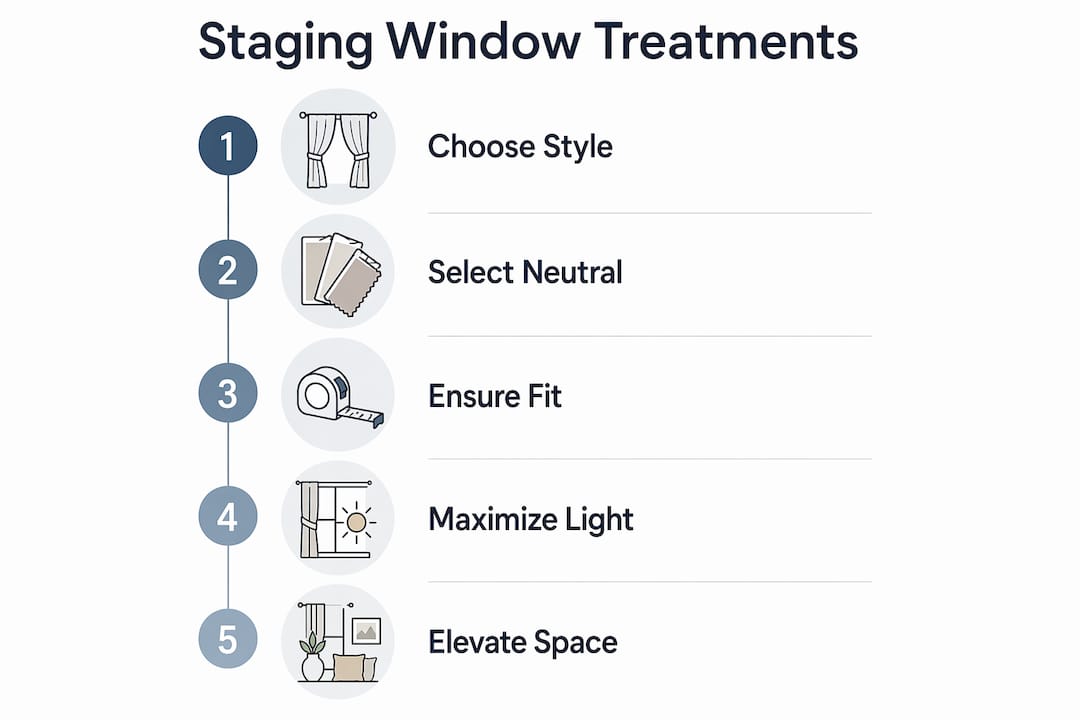
Curtains vs. blinds vs. shades
Each window treatment category serves a different staging purpose:
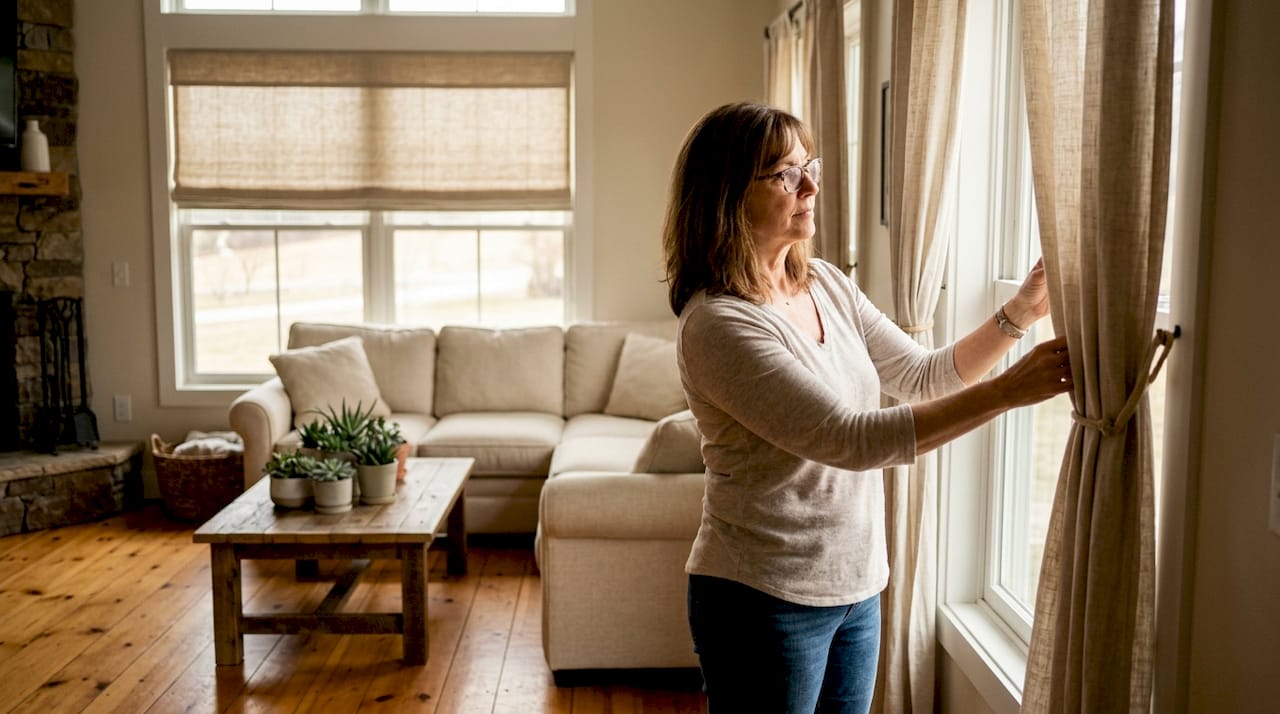
- Sheer curtains diffuse light softly and add height when hung close to the ceiling. They work well in living rooms and dining rooms where warmth and openness matter.
- Roller shades provide a clean, minimal look that suits modern and transitional interiors. White or off-white options keep walls and floors as the visual focus.
- Solar shades reduce glare while preserving the outward view, which is a strong selling point in rooms with attractive outdoor scenery.
- Pleated shades deliver a tailored appearance at a lower price point. They are ideal for bedrooms and secondary rooms where budget matters most.
- Cellular (honeycomb) shades add a layer of energy efficiency perception that buyers increasingly value, particularly in climates with extreme temperatures.
Color and fabric choices that sell
White, cream, and soft gray are the safest staging colors because they read as clean and neutral in any lighting condition. Textured fabrics add warmth without introducing pattern or color that might conflict with a buyer’s taste. Heavy, dark, or busy patterns narrow the pool of buyers who can picture themselves living in the space.
Pro Tip: Order free fabric swatches before committing to a staging treatment. Viewing the material in the actual room light prevents costly mismatches between the swatch photo and the real-world result.
How do staging window treatments influence buyer perception and home value?
Window treatments shape buyer perception through three channels: light quality, perceived room size, and maintenance signals. Properly fitted coverings signal a maintained home and can firm asking prices during negotiation. Poorly sized or damaged panels do the opposite. They invite buyers to mentally add repair costs to their offer.
Light quality is the subtlest and most powerful factor. A room flooded with diffused natural light feels larger, cleaner, and more welcoming than the same room with harsh direct sun or blocked windows. Light-filtering treatments create that diffused quality without sacrificing privacy, which is the balance buyers respond to most positively.
“Window treatments should be regarded as a critical component of the architectural composition of a room, not an optional decorative afterthought. The way light enters and moves through a space shapes a buyer’s emotional response before they consciously register a single design detail.”
Perceived room volume is another measurable benefit. Mounting rods higher and wider than the window frame makes ceilings appear taller and windows appear larger. This technique costs nothing beyond the hardware and produces a visible change in how buyers experience the space during a walkthrough.
Pro Tip: Hang curtain rods 4–6 inches above the window frame and extend the rod 6–8 inches beyond each side of the frame. The curtain panels will frame the window without covering it, maximizing light and perceived width.
What are the best staging tips for installing window treatments?
Execution matters as much as product selection. A well-chosen shade installed at the wrong height or in the wrong room undermines the entire staging effort. These are the techniques that professional stagers use consistently.
-
Mount rods above and wider than the frame. This is the single most impactful installation technique. It increases perceived ceiling height and makes every window look more architectural.
-
Standardize treatments across street-facing rooms. Consistency in window treatment style across the living room, dining room, and front-facing bedrooms creates a polished, cohesive presentation. Mismatched styles in visible rooms signal a piecemeal approach to maintenance.
-
Replace, do not repair, damaged treatments. A patched blind or a re-hemmed curtain still reads as worn. Buyers notice. Replacing dated or damaged treatments with uniform, neutral coverings improves both room presentation and listing photography quality.
-
Choose lightweight or layered fabrics. Heavy drapes block light and make rooms feel smaller. Lightweight sheers layered with a simple roller shade give buyers the impression of flexibility and openness.
-
Steam or press all fabric treatments before showings. Wrinkled curtains read as neglected, even when the fabric is new. A $30 garment steamer eliminates this problem in minutes.
-
Update hardware before replacing treatments. Worn or mismatched rods and rings undermine even quality fabric. New brushed nickel or matte black hardware costs less than new panels and delivers a visible upgrade.
Updating old window coverings before listing is one of the highest-return, lowest-cost improvements a seller can make.
How do you choose staging window treatments on a budget?
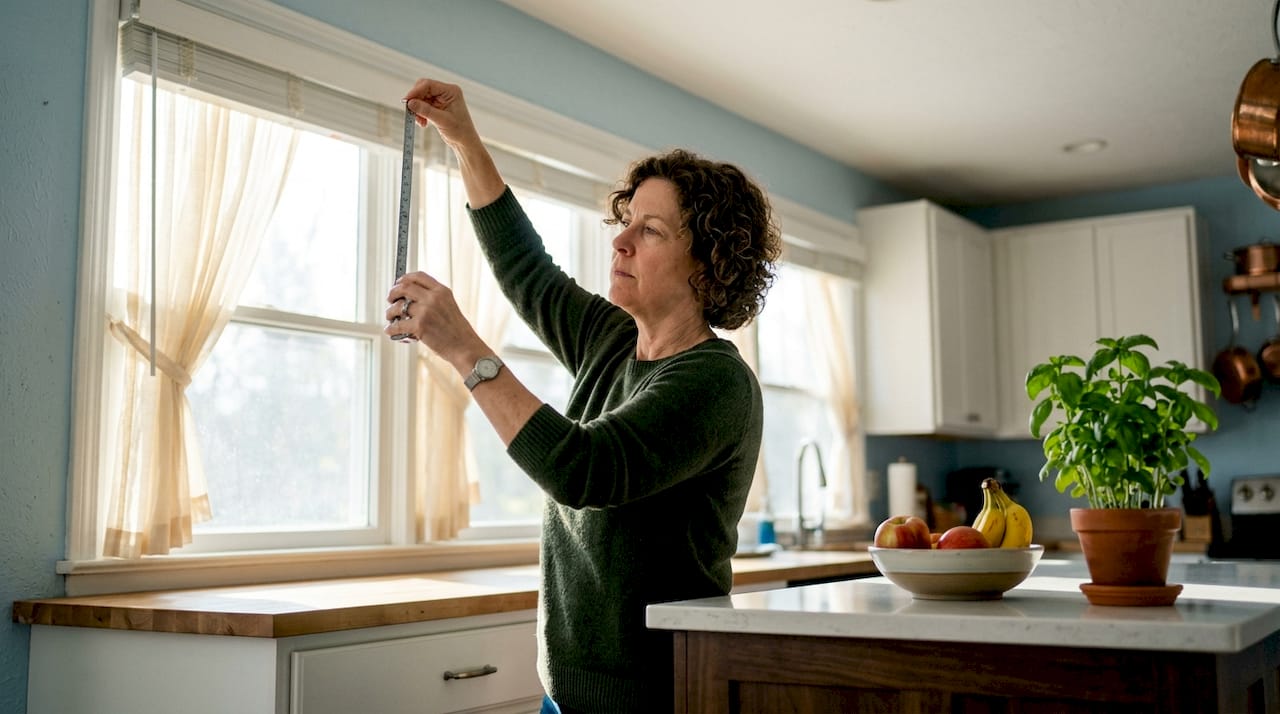
Budget-conscious staging does not require expensive custom work. The goal is fit, cleanliness, and neutrality, not luxury materials. These priorities guide every purchase decision.
- Pleated shades in white or cream cover bare windows cleanly and cost far less than custom cellular or roman shades.
- Standard-size roller shades from a reliable supplier fit most residential windows without custom ordering and install in under 30 minutes.
- Sheer panel curtains in white or ivory are widely available in standard lengths and create an airy, finished look at a low price per window.
- Hardware upgrades (rods, rings, and brackets) deliver a high-visibility improvement for $15–$40 per window.
Budget-friendly window treatments do not have to look inexpensive. Fit and uniformity matter more than material cost. A room where every window has the same clean, pressed, neutral shade reads as intentional and well-maintained, regardless of what each shade cost.
| Update | Estimated impact | Cost range |
|---|---|---|
| Replace damaged blinds with pleated shades | High: removes deferred-maintenance signal | Low |
| Add sheer curtain panels to bare windows | High: adds warmth and light diffusion | Low to moderate |
| Upgrade rod and hardware only | Moderate: refreshes existing panels | Very low |
| Switch to light-filtering roller shades | High: improves light quality and photo appeal | Low to moderate |
| Install cellular shades in primary bedroom | Moderate to high: adds energy efficiency signal | Moderate |
Simple updates like switching fabrics or standardizing styles consistently improve buyer appeal without major investment. The return on these changes shows up in faster offers and fewer price concessions.
Key Takeaways
Staging window treatments are the most cost-effective finishing layer a seller can add, directly shaping light quality, buyer perception, and the final sale price.
| Point | Details |
|---|---|
| Definition matters | Staging treatments are chosen for buyer appeal, not personal taste, prioritizing neutral colors and light control. |
| Installation technique | Mounting rods higher and wider than the frame increases perceived ceiling height and room size at minimal cost. |
| Consistency drives polish | Uniform treatments across street-facing rooms signal a maintained home and support asking price. |
| Budget over luxury | Fit, cleanliness, and neutrality outperform expensive materials in staging contexts. |
| Replace, do not repair | Damaged or dated treatments invite price negotiation; replacing them is a high-return, low-cost fix. |
Why window treatments are the most underestimated staging tool
Sellers spend thousands on paint, landscaping, and kitchen updates before listing. Window treatments rarely make the priority list, and that is a consistent mistake I have seen play out in property after property.
The rooms that photograph best and generate the most showing requests almost always have one thing in common: clean, neutral, well-hung window coverings that let natural light do the work. Buyers do not consciously think “those are great blinds.” They think “this room feels bright and well-kept.” That emotional response is what drives offers.
The mistake I see most often is sellers leaving personal window treatments in place because replacing them feels like an unnecessary expense. A set of heavy burgundy drapes or broken horizontal blinds does not just look dated. It tells buyers the seller has not invested in the home’s presentation, which makes them wonder what else has been neglected.
My advice is straightforward: walk every room before listing and ask whether the window covering makes the room look larger, brighter, and more neutral. If the answer is no, replace it. The cost of a set of custom window coverings is almost always less than the first price reduction a buyer will request when they sense deferred maintenance.
Window treatments are also one of the few staging investments that buyers may want to keep after purchase. A well-chosen cellular shade or a clean roller shade adds real functional value. That perception of included value supports your asking price in ways that fresh paint alone cannot.
— Sunny
Valueblindsdirect makes staging window treatments straightforward
Choosing the right window treatment for each room in a listing does not have to be complicated. Valueblindsdirect offers a full catalog of staging-ready options, from cordless roller shades to motorized cellular shades, all customizable to exact window dimensions.
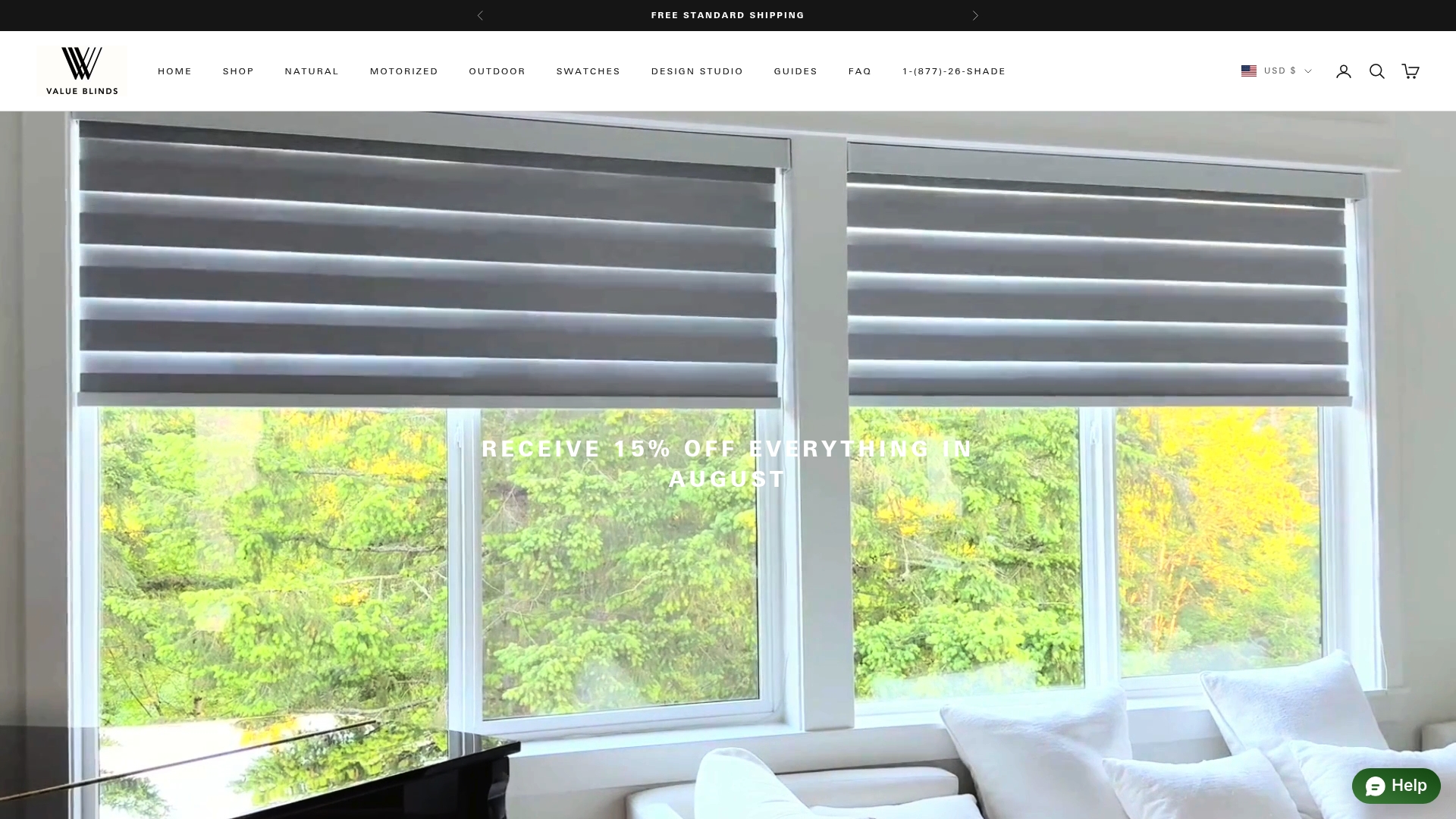
The Window Treatment Design Studio at Valueblindsdirect lets you visualize treatments by room type, filter by light control level, and order custom sizes without leaving your browser. Free swatches are available for every fabric, so you can confirm color and texture in the actual room before committing. For sellers who want a clean, professional result without hiring a designer, Valueblindsdirect provides the tools, the product range, and the expert support to get there efficiently. Browse the full blinds collection to find staging-ready options at every price point.
FAQ
What are staging window treatments?
Staging window treatments are window coverings chosen specifically to enhance a home’s appeal during the sale process. They prioritize neutral colors, balanced light control, and clean proportions over personal style.
What window treatment colors work best for home staging?
White, cream, and soft gray are the most effective staging colors because they read as clean and neutral in any lighting condition and appeal to the broadest range of buyers.
Do window treatments affect home sale price?
Properly fitted, neutral window treatments signal a maintained home and help sellers hold their asking price during negotiation. Damaged or poorly fitted coverings invite buyers to request price reductions.
How high should curtain rods be hung for staging?
Mounting curtain rods 4–6 inches above the window frame and extending them 6–8 inches beyond each side of the frame makes ceilings appear taller and windows appear larger, a standard technique used by professional stagers.
Are expensive window treatments necessary for effective staging?
Fit, cleanliness, and neutrality matter more than material cost in staging. Affordable pleated shades or standard roller shades in white or cream deliver strong results when installed correctly and kept consistent across rooms.