
Automatic Outdoor Blinds: The Complete Patio Guide
TL;DR:
- Automatic outdoor blinds are motorized shading systems that allow control over sun, wind, and privacy via remote, app, or voice commands. They feature weather-resistant fabrics, aluminum frames, and motors rated for wind and UV exposure, with zip-track guides and weather sensors enhancing durability and protection. These smart systems improve outdoor comfort, privacy, and energy efficiency while offering customizable options and reliable warranties.
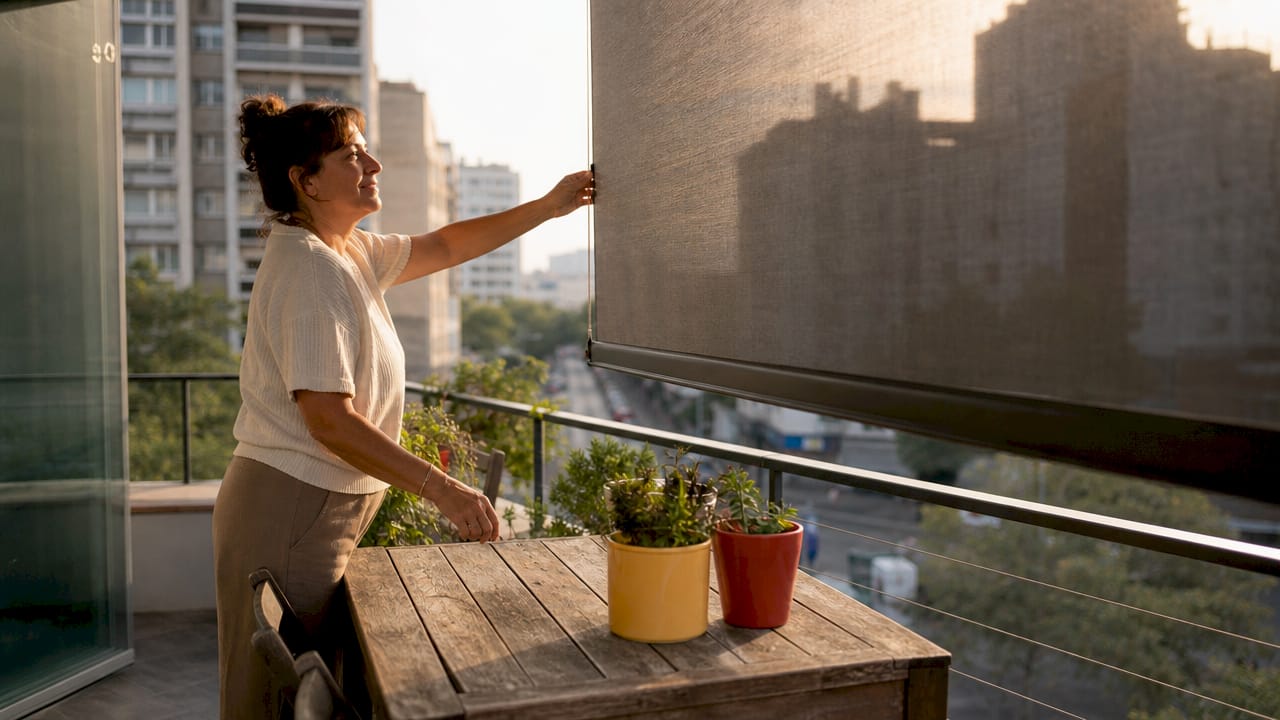
Automatic outdoor blinds are motorized shading systems that let you control sun, wind, and privacy on your patio or garden with a button press, a voice command, or a scheduled timer. Unlike fixed awnings or manual roller shades, these systems combine weather-resistant fabrics, aluminum frames, and electric motors to deliver reliable outdoor comfort without stepping outside. The best models integrate with Alexa, Google Home, and smartphone apps, making them a natural extension of any smart home setup. For homeowners who spend real time outdoors, the difference between a manual shade and a motorized one is the difference between adjusting your space and actually enjoying it.
What materials and technologies make automatic outdoor blinds durable?
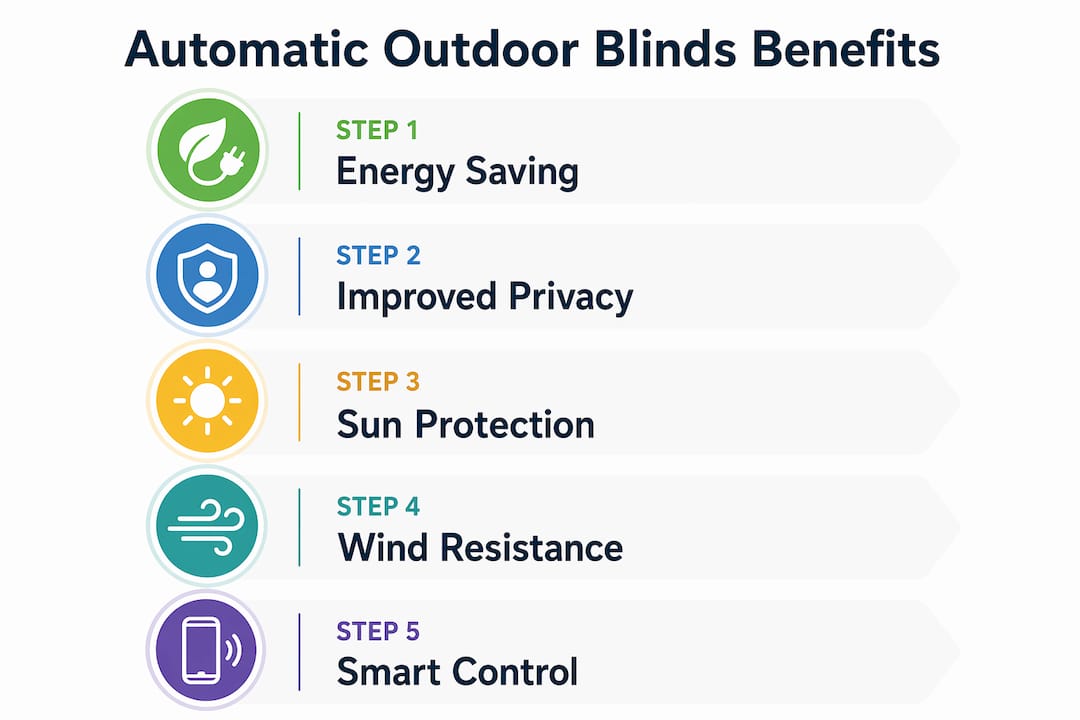
The fabric is the first line of defense in any outdoor shading system. Premium electric outdoor blinds use 280gsm polyester/PVC composite fabrics rated UPF 50+, blocking 98% of UV rays. That rating matters because unprotected patio furniture and flooring can fade significantly within a single summer season.
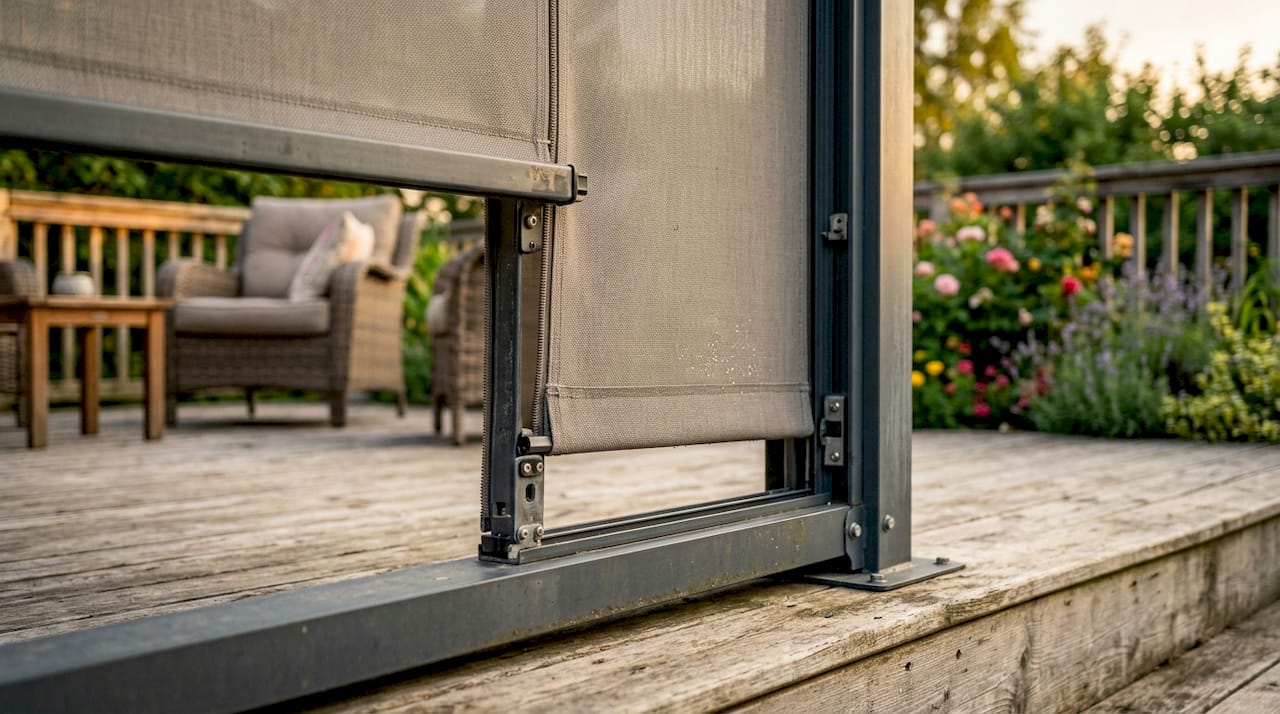
Frame construction is equally critical. Heavy-duty aluminum alloy frames resist rust and hold their shape under repeated exposure to rain, heat, and humidity. Aluminum is the industry standard for outdoor roller blinds because it delivers structural strength without adding excessive weight to the installation.
The motor sits at the core of the system. Most outdoor motorized blinds use 35mm to 45mm tubular motors powered by a standard AC supply at 110V/60Hz or 230V/50Hz. These motors are housed inside the roller tube, keeping them protected from the elements and out of sight.
Zip-track systems and wind resistance
One technology separates entry-level outdoor roller blinds from premium installations: the zip-track system. Zip-track guided systems hold the fabric inside side tracks, preventing the “blow-out” effect where wind catches a loose shade and tears it from its housing. Specialists recommend zip-track designs for any installation in a region with regular wind exposure. A typical wind rating for premium motorized patio shades is 25 mph (40 km/h), which covers most residential outdoor conditions.
Pro Tip: If your patio faces a prevailing wind direction, always specify a zip-track model. A standard roller without side guides will fail in moderate wind far sooner than the fabric or motor would otherwise wear out.
Remote control range is another practical spec worth checking. Quality systems operate at 433.92 MHz with a range exceeding 60 meters, which covers most residential outdoor areas, including large gardens and wraparound patios.
How do smart controls and automation features work?
Motorized outdoor blinds earn their value through control flexibility. The basic remote is just the starting point. Modern systems support multiple operation modes that make daily use genuinely effortless.
The core control options available on quality outdoor automatic blinds include:
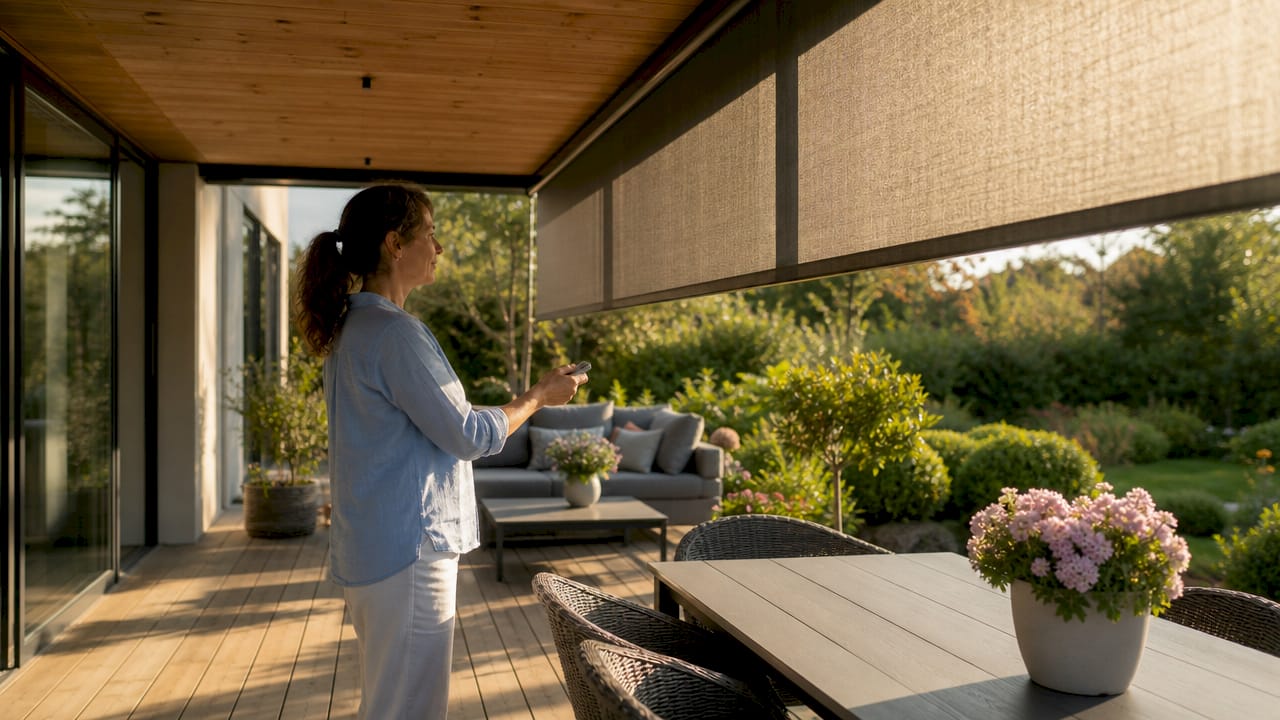
- Remote control: Standard RF remotes operate at 433.92 MHz with 60+ meter range, covering large outdoor areas without line-of-sight requirements.
- Smartphone app: WiFi or Zigbee modules connect the blinds to your home network, letting you adjust position from anywhere with a signal.
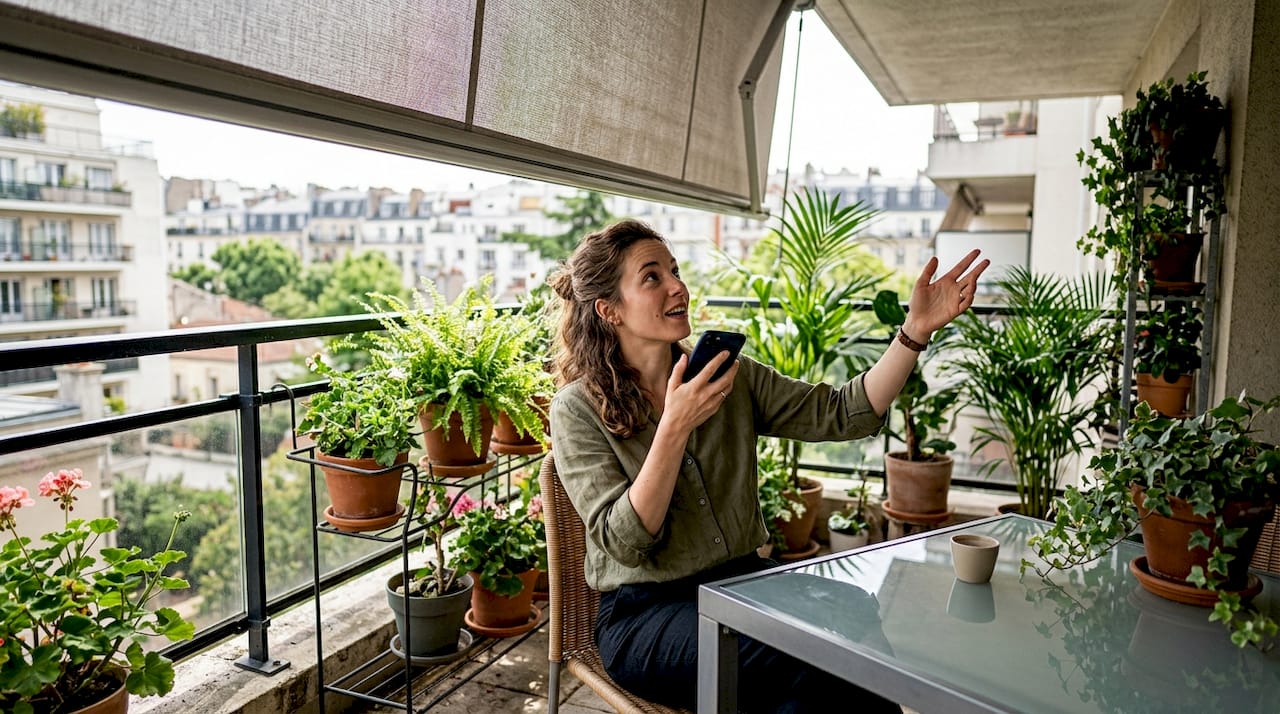
- Voice commands: Smart home integration with Alexa and Google Home lets you raise or lower shades hands-free, useful when your hands are full during outdoor entertaining.
- Scheduled automation: Set the blinds to lower at noon and retract at sunset, so your patio stays comfortable without any manual input.
- Weather-sensing automation: Wind sensors trigger automatic retraction during high wind, protecting the fabric and motor from storm damage.
The weather-sensing feature is the one most homeowners overlook when comparing models. A basic motorized blind requires you to remember to retract it before a storm. A weather-sensing system does it automatically, which protects your investment and extends the product’s lifespan considerably.
Pro Tip: When setting up app-based control, pair your outdoor blinds with a weather service integration if your platform supports it. Automating retraction at wind speeds above 20 mph removes the single biggest risk factor for outdoor blind damage.
For a deeper look at how remote and app-based control works across different blind types, Valueblindsdirect covers the topic in detail in their guide on motorized blind controls. The same connectivity principles apply whether the installation is interior or exterior.
What are the practical benefits for patios and gardens?
Installing motorized patio shades changes how you use your outdoor space. The benefits are concrete and measurable, not just aesthetic.
-
Reduced heat and UV exposure. A UPF 50+ fabric blocks 98% of UV rays, protecting both people and outdoor furniture. Patio furniture exposed to direct sun can fade and degrade within one to two seasons. Shading extends its life significantly.
-
Lower cooling costs. Blocking direct solar gain on a west-facing patio reduces the heat load entering adjacent rooms through glass doors and windows. This directly reduces air conditioning demand during peak summer hours, which is when electricity rates are highest in most U.S. regions.
-
Adjustable privacy without sacrificing light. Openness factor options of 1%, 3%, and 5% let you dial in the balance between visibility and privacy. A 1% openness fabric gives near-total privacy while still admitting diffused daylight. A 5% fabric maintains a more open feel while cutting glare.
-
Glare reduction for outdoor screens and dining. Direct sun makes outdoor dining uncomfortable and renders any outdoor TV or monitor unreadable. A motorized shade deployed at the right angle solves both problems instantly.
-
Extended outdoor living season. Shading a patio reduces ambient temperature under the cover by several degrees on a hot afternoon. That makes the space usable for more hours per day and more months per year.
-
Aesthetic upgrade. Clean, motorized roller blinds give a patio a finished, designed look that fixed awnings or freestanding umbrellas cannot match. The absence of visible cords and manual mechanisms contributes to a cleaner visual result.
For homeowners who want to understand the full energy efficiency case, Valueblindsdirect’s resource on motorized exterior shades covers the comfort and efficiency benefits in practical terms.
How to choose the right automatic outdoor blinds for your space
The right choice depends on four variables: size, climate, control preference, and budget. Getting these right before ordering prevents costly remeasurements and returns.
Size and customization. Measure your opening width and the required drop (projection) carefully. Most quality suppliers offer custom sizing, so there is no reason to accept a standard size that leaves gaps. Gaps at the sides defeat the purpose of both shading and privacy.
Climate conditions. Homeowners in coastal or high-wind areas need zip-track systems rated for at least 25 mph. Those in high-UV regions should prioritize UPF 50+ fabric as a non-negotiable specification, not an upgrade.
Control preference. Match the control system to your lifestyle. If you already use Alexa or Google Home indoors, extending that ecosystem to your outdoor blinds costs little extra and adds real convenience. If you prefer simplicity, a standard RF remote is reliable and requires no network setup.
Warranty terms. Quality manufacturers back their products with 5-year frame warranties and 3-year fabric warranties. A shorter warranty on either component is a signal about expected product lifespan. Do not accept less on a permanent outdoor installation.
Installation. Professional installation is worth the cost for large or complex openings. For standard single-bay patios, most motorized outdoor roller blinds are designed for homeowner installation with basic tools. Check whether the supplier offers measurement guides and support before you commit.
For broader guidance on modern shading options beyond roller blinds, the awning and shade solutions guide at Pikpikpow covers complementary exterior shading approaches worth considering alongside motorized blinds.
What maintenance keeps outdoor blinds performing well?
Outdoor blinds require less maintenance than most homeowners expect, but a few routine checks prevent the majority of problems.
- Clean the fabric regularly. Use a soft brush or low-pressure hose to remove dust, pollen, and debris. Avoid harsh detergents that can degrade UV-protective coatings. A mild soap solution works for stubborn marks.
- Inspect the tracks and guides. Zip-track channels can collect grit that causes the fabric to bind or wear unevenly. Wipe the tracks clean at the start and end of each outdoor season.
- Check remote control batteries. A sluggish or unresponsive remote is almost always a battery issue, not a motor fault. Replace batteries annually as a preventive measure.
- Test the motor at the start of each season. Run the blind through a full cycle before you need it daily. Catching a motor issue in spring gives you time to arrange service before peak summer use.
- Retract during severe weather. Even zip-track systems rated for 25 mph should be retracted during storms that exceed their wind rating. Weather-sensing automation handles this automatically, but manual retraction is the fallback if sensors are not installed.
- Schedule a seasonal inspection. Check all fasteners, brackets, and the roller tube for signs of corrosion or loosening. Outdoor hardware works against gravity and wind load every day, so annual tightening is normal maintenance, not a sign of poor quality.
Key takeaways
Automatic outdoor blinds deliver the most value when the fabric, frame, motor, and control system are matched to the specific climate and lifestyle of the homeowner.
| Point | Details |
|---|---|
| Fabric specification matters | Choose UPF 50+ polyester/PVC composite fabric to block 98% of UV rays and resist weathering. |
| Zip-track is essential in wind | Side-guided zip-track systems prevent fabric blowouts in areas with regular wind above 20 mph. |
| Smart automation protects your investment | Weather-sensing auto-retract prevents storm damage and extends motor and fabric lifespan. |
| Openness factor controls privacy | Select 1%–5% openness based on your privacy needs; lower percentages block more visibility. |
| Warranty signals quality | Look for at least a 5-year frame warranty and a 3-year fabric warranty before purchasing. |
Why wind sensing is the feature most buyers ignore
Most homeowners shopping for remote control outdoor blinds focus on fabric color, motor brand, and price. I understand that instinct. Those are the visible, tangible factors. But after spending years looking at how outdoor shading products actually perform in real residential settings, the single feature that separates a good installation from a frustrating one is weather-sensing automation.
A motorized blind without a wind sensor is only as protected as your memory. You have to remember to retract it before a storm. You have to be home. You have to be paying attention. A wind sensor removes all three of those requirements. The blind retracts automatically when wind speed crosses a threshold, whether you are in the backyard or three states away.
The second thing I would push back on is the tendency to skip zip-track systems to save money. Loose roller shades look fine on a calm day. The first time a 30 mph gust catches the fabric, the damage can be severe enough to require full replacement. A zip-track system costs more upfront and pays for itself the first time a storm rolls through. For anyone in a coastal region, a Midwest storm corridor, or any area with afternoon thunderstorms, it is not optional.
My practical advice: treat the wind sensor and zip-track system as baseline requirements, not premium upgrades. Build your budget around those two features first, then allocate what remains to control options and fabric aesthetics.
— Sunny
Valueblindsdirect has outdoor shading options built for real patios
Upgrading your patio with motorized outdoor blinds is a decision that pays off in comfort, privacy, and energy savings from the first season. Valueblindsdirect offers a full range of outdoor patio shades with customizable sizing, fabric options, and motorization to fit any outdoor space.
Getting the right fit starts with the right measurements and the right fabric for your climate. Valueblindsdirect’s Window Treatment Design Studio connects you with expert guidance and custom configuration tools so your outdoor blinds arrive ready to install and built for your specific conditions. Whether you need a single bay covered or a full wraparound patio shaded, the design studio walks you through every specification.
FAQ
What are automatic outdoor blinds?
Automatic outdoor blinds are motorized roller shading systems controlled by remote, app, or voice command. They use weather-resistant fabrics and aluminum frames to provide UV protection, privacy, and shade for patios and gardens.
How do outdoor motorized blinds handle wind?
Premium motorized outdoor blinds use zip-track side guides to hold fabric in place and are rated for wind speeds up to 25 mph (40 km/h). Models with weather-sensing automation retract automatically when wind exceeds safe operating limits.
Can outdoor blinds connect to Alexa or Google Home?
Yes. Motorized outdoor blinds with WiFi or Zigbee modules integrate directly with Alexa and Google Home, enabling voice control and app-based scheduling from any location.
What openness factor should I choose for my patio?
A 1% openness factor provides near-total privacy with diffused light. A 5% openness factor maintains a more open feel while still reducing glare. Choose based on how much visibility and airflow you want through the fabric.
What warranty should I expect on quality outdoor blinds?
Quality outdoor blind manufacturers offer a 5-year warranty on frames and a 3-year warranty on fabric. These terms reflect confidence in the product’s durability under regular outdoor exposure.