
Cellular shades explained: Benefits, features, and smart choices
TL;DR:
- Cellular shades feature air-trapping honeycomb structures that provide superior insulation, noise reduction, and light control. They come in various cell configurations and styles, offering customization for effective energy savings and privacy. Proper installation and careful selection of fit and operation enhance their performance, making them a valuable upgrade for any home.
Not all window coverings are created equal, and cellular shades prove that point better than almost anything else on the market. While standard blinds control light by angling slats, cellular shades work on a fundamentally different principle: trapping air inside structured pockets to insulate your home, reduce noise, and give you precise control over light and privacy. If you’ve been choosing window treatments based on looks alone, you may be leaving real energy savings and comfort on the table. This guide walks you through everything you need to know, from how cellular shades are built to how to customize and install them like a pro.
Table of Contents
- What are cellular shades and how do they work?
- Top benefits of cellular shades for your home
- Customizing cellular shades: Light control, operation, and style
- Installation and maintenance: Getting the most from your shades
- What most homeowners and designers miss about cellular shades
- Upgrade your home with premium cellular shades
- Frequently asked questions
Key Takeaways
| Point | Details |
|---|---|
| Superior insulation | Cellular shades use a honeycomb design to trap air and boost home energy efficiency. |
| Total light control | Choose from light-filtering, room-darkening, and blackout options to fit any room’s needs. |
| Customizable for any space | A wide range of colors, styles, and operations like cordless and motorized make them great for any décor. |
| Easy maintenance | Regular dusting and proper installation keep shades looking great and working well for years. |
What are cellular shades and how do they work?
Not all window shades are created equal, and cellular shades stand in a category of their own. So let’s zoom in on what makes them special.
Cellular shades, often called honeycomb blinds, get their name from the repeating cell structure built into the fabric. When you look at a cross-section, you see distinct pockets, much like the cells inside a honeycomb. Those pockets trap air between the window glass and your living space, creating a passive insulating barrier that standard roller shades or aluminum blinds simply cannot match.
How the structure works:
The fabric is folded and bonded during manufacturing to create those air-trapping cells. Single-cell shades have one row of pockets. Double-cell shades have two stacked rows, which hold more air and provide stronger insulation. Triple-cell designs push that insulation even further, making them ideal for extreme climates. The thicker the cell structure, the better the thermal barrier between your room and the outside world.
Here’s a quick breakdown of the cell types:
| Cell type | Number of air pockets | Best use case |
|---|---|---|
| Single-cell | 1 | Mild climates, light control |
| Double-cell | 2 | Year-round insulation, bedrooms |
| Triple-cell | 3 | Extreme heat or cold, high-efficiency homes |
Most cellular shades are made from polyester fabric, which resists fading and holds its shape over years of daily use. Some premium options blend fabric with light-filtering or blackout liners baked right into the cell walls, so you get privacy and insulation in one product.
As noted by bobvila.com, cellular shades come in light-filtering, room-darkening, and blackout versions, and include operating styles like cordless and motorized, giving you genuine flexibility for every room in your home.
“The honeycomb structure isn’t decorative. It’s functional engineering designed to make your home more comfortable year-round.”
Operating styles at a glance:
- Manual lift cord: The traditional pull-cord system, affordable and reliable
- Cordless: A clean look with no dangling cords; you push the bottom rail up or down
- Top-down/bottom-up: Lets you open the shade from the top for light while keeping the lower half closed for privacy
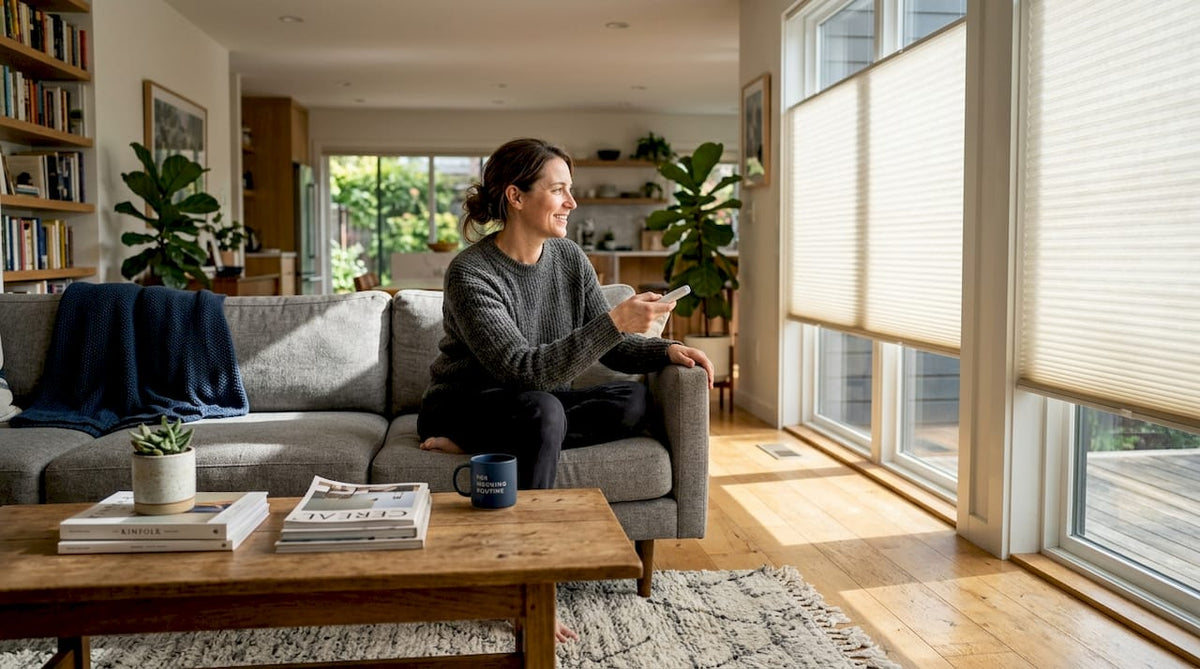
- Motorized: Remote or app-controlled, ideal for hard-to-reach windows and smart home setups
Top benefits of cellular shades for your home
With a solid understanding of how cellular shades are built, it’s time to explore their real-life advantages. These aren’t just pretty window coverings. They solve real problems.
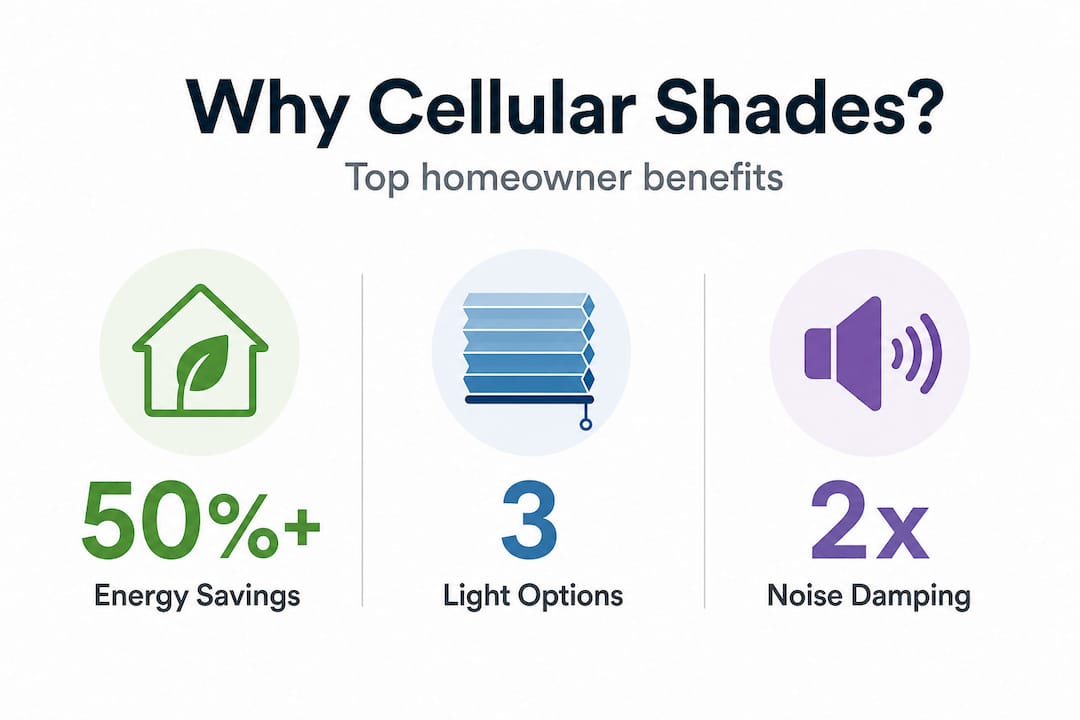
Energy efficiency you can actually measure. The insulating air pockets in cellular shades act as a buffer against both summer heat and winter cold. In cold months, they slow the rate at which warm indoor air escapes through the glass. In summer, they reduce heat gain from direct sun. Homeowners who upgrade to double-cell or triple-cell shades often notice a difference in how consistently their rooms hold temperature, which means their HVAC systems work less and energy bills drop. The cellular shades insulation effect is most pronounced on large, south-facing windows that receive direct sun for most of the day.
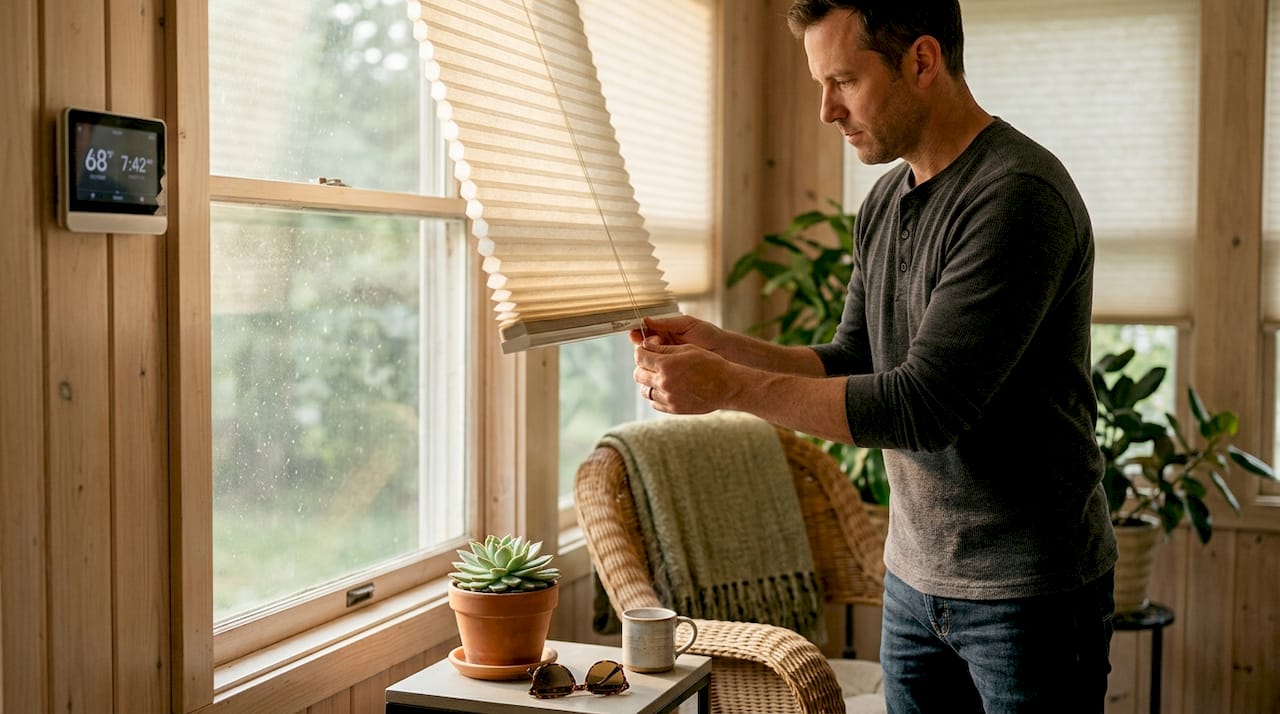
Privacy without sacrificing style. One of the most common frustrations with standard blinds is the trade-off between letting in light and keeping your interior private. Cellular shades solve this beautifully. Privacy shades for windows in a light-filtering fabric let diffused natural light pour in while blocking direct sightlines from the street. Room-darkening options go a step further, and blackout versions eliminate visibility entirely.
Noise reduction. This benefit surprises most people. The air pockets inside cellular shades absorb and dampen sound waves, reducing the amount of outside noise that travels through your windows. If you live near a busy road, under a flight path, or next to a neighbor who mows at 7 a.m. on Saturdays, the difference is noticeable. It won’t soundproof a room, but it takes the edge off.
Design flexibility for any room. Cellular shades offer customization to room needs through light-filtering, room-darkening, and blackout models, giving interior decorators and homeowners a wide range of tools to work with. Colors span from bright whites to deep charcoals, warm neutrals, and muted pastels. Textures range from crisp and smooth to softly woven. You can match them to your existing furniture or use them as an intentional contrast element.
Key benefits summary:
- Lowers heating and cooling costs through passive insulation
- Filters, dims, or completely blocks light depending on the fabric chosen
- Reduces outside noise for a calmer indoor environment
- Available in hundreds of colors and textures to match any interior style
- Safe, clean operation with cordless and motorized options
Pro Tip: Choose double-cell over single-cell shades for bedrooms. The added insulation layer keeps the room warmer in winter, cooler in summer, and noticeably quieter, which makes a real difference in sleep quality.
Customizing cellular shades: Light control, operation, and style
Now that you’re aware of the big-picture benefits, let’s clarify how to select and customize shades for your specific space. The right choice comes down to three things: how much light you want, how you want to operate the shade, and what aesthetic fits the room.
Light control comparison:
| Option | Light level | Best room |
|---|---|---|
| Light filtering | Soft, diffused glow | Living rooms, kitchens |
| Room darkening | Dim but not pitch black | Home offices, dining rooms |
| Blackout | Near-total darkness | Bedrooms, media rooms, nurseries |
Understanding the difference between room darkening vs blackout is one of the most important choices you’ll make. Room darkening shades block most light but may allow a slim gap of brightness around the edges. Blackout shades use a dense, opaque liner that cuts light transmission to near zero. For shift workers who sleep during the day or for a dedicated home theater, blackout is the clear choice.
Choosing your operating style step by step:
- Measure your window and note accessibility. Windows above counters, staircases, or high walls are strong candidates for motorized operation.
- Consider who uses the room. Homes with young children or pets should lean toward cordless window treatments to eliminate cord hazards entirely.
- Decide on smart home integration. If you use a home automation system, motorized cellular blinds can connect with platforms like Google Home or Amazon Alexa.
- Set your budget. Cordless manual shades sit at the most accessible price point. Motorized shades cost more upfront but offer long-term convenience.
- Pick your cell size. Standard cell sizes run from 3/8 inch to 3/4 inch. Smaller cells give a refined, tailored look. Larger cells have a bolder, more textured appearance.
As confirmed by bobvila.com, light control and customization are central to how cellular shades perform in real homes, with cordless and motorized designs leading in usability across a wide range of lifestyles.
Pro Tip: In rooms with kids or pets, cordless and motorized shades aren’t just a convenience upgrade. They’re a safety upgrade. Window cord strangulation is a documented household hazard, and removing cords from the equation entirely is the smartest call you can make.
Installation and maintenance: Getting the most from your shades
Once your shades are customized, installing and caring for them ensures they perform at their best for years. The good news is that cellular shades are among the more straightforward window treatments to install yourself, provided you take accurate measurements and follow a clear process.
Step-by-step installation basics:
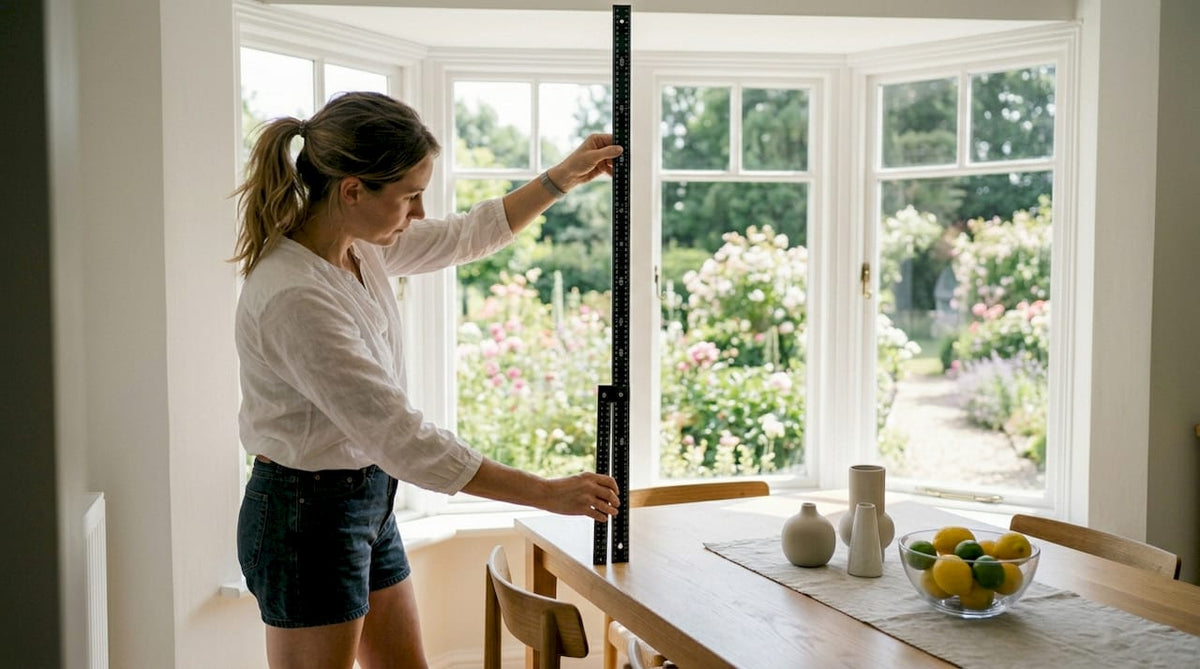
- Measure twice. Use a steel tape measure and record the width at three points (top, middle, bottom) and the height at three points (left, center, right). Use the smallest measurement for each dimension to ensure a proper fit.
- Choose inside or outside mount. Inside mount fits the shade within the window frame for a clean, recessed look. Outside mount extends beyond the frame and is better for blocking more light or covering an irregular frame.
- Mark bracket positions. Hold the brackets against the frame and use a pencil to mark screw holes. Use a level to confirm they’re even.
- Drill and secure brackets. For wood frames, standard screws work well. For drywall or metal, use appropriate anchors.
- Snap in the headrail. Most cellular shades clip into the brackets with a firm push until you hear a click.
- Test operation. Raise and lower the shade several times to confirm smooth movement before finishing.
The detailed window shade installation guide covers every scenario, including specialty windows and tricky outside mounts.
Maintenance practices that extend shade life:
- Dust the surface weekly using a soft brush attachment on a vacuum or a feather duster
- Spot clean with a lightly damp cloth for smudges; avoid soaking the fabric
- For motorized shades, check the battery or wiring connections every six months and consult the motorized shade maintenance guide for more detailed steps
- Avoid pulling the shade unevenly, which can warp the headrail over time
- Keep the cell structure from being crushed by storing or transporting shades flat
As bobvila.com points out, cellular shade operating styles like cordless and motorized also improve day-to-day usability, which reduces the chances of misuse that leads to wear and tear.
Pro Tip: Regular dusting every two to three weeks prevents fabric fibers from trapping dust deep inside the honeycomb cells where it becomes difficult to remove. A quick pass with a soft brush takes under a minute and adds years to your shade’s appearance.
What most homeowners and designers miss about cellular shades
While these practical steps will help your shades shine, it’s essential to take a wider perspective before making your final choices.
Here’s the honest truth: most people shop for cellular shades the same way they shop for a throw pillow. They look at the color, maybe check the price, and make a call. That approach leaves the best features of cellular shades completely underutilized.
The biggest missed opportunity is installation precision. A cellular shade that fits loosely within a window frame loses a significant portion of its insulating value because air moves freely around the edges instead of staying blocked inside the shade. The insulation value of a double-cell shade only performs as advertised when the fit is snug. A half-inch gap on either side is enough to undercut weeks of energy savings. This isn’t a minor detail. It’s the single biggest factor separating a well-performing shade from a decorative one.
For interior designers, the common pitfall is prioritizing the color palette over the operating style. A beautiful set of light-filtering shades in a stunning warm white looks perfect in a portfolio photo, but if the client has south-facing windows, two dogs, and three kids, those shades will be constantly pulled, tugged, and mishandled. Matching the operating style to the actual life lived in that room is what separates good window design from great window design.
There’s also a widespread underestimation of cellular shades as a noise management tool. Clients who live in urban environments or near highways often spend thousands on acoustic panels or heavy curtains when a well-chosen double-cell shade would address a substantial portion of their noise problem at a fraction of the cost.
“Cellular shades are as much about comfort and cost-control as they are about style — a fact many overlook until it’s too late.”
The bottom line is that cellular shades reward thoughtful selection. When you treat the cell depth, fit, and operating style as seriously as the color, you get a product that genuinely changes how a room feels every single day.
Upgrade your home with premium cellular shades
Ready to put your new knowledge into action? Here’s how to start your window transformation.
Value Blinds Direct makes it straightforward to move from research to the right product. Whether you’re outfitting a single bedroom or updating every window in your home, the options are there to match your exact needs.
Start by browsing the full range when you browse premium blinds to see every style, color, and cell configuration in one place. If you already know cellular is the direction you want to go, the cordless day and night cellular shades are a standout option that combines clean operation with versatile light control. And if you want expert help matching shades to your specific rooms, the design studio gives you a guided experience with free swatches and professional support built right in.
Frequently asked questions
What’s the difference between cellular and honeycomb shades?
There is no difference. Both terms describe the exact same shade style featuring an air-trapping structure that insulates your home. The names are used interchangeably across the industry.
How do blackout cellular shades improve sleep quality?
Blackout cellular shades block nearly all external light and reduce noise, creating a darker and quieter sleep environment. Cellular blackout options are specifically designed for maximum light elimination, which supports deeper, uninterrupted sleep.
Are cordless and motorized shades safer for homes with kids and pets?
Yes. Cordless and motorized designs eliminate hanging cords entirely, which removes a well-documented hazard for young children and pets who can become entangled in traditional cord systems.
How often should I clean or dust my cellular shades?
Light dusting every two to three weeks keeps the fabric clean and the cells free of buildup, extending the life of the shade and keeping it looking fresh without any major cleaning effort.
Can cellular shades help lower energy bills in all climates?
Yes. Their insulating cell structure reduces heat transfer through windows in both hot and cold conditions, helping maintain consistent indoor temperatures and reducing the load on your heating and cooling systems year-round.
Recommended
- Cellular Shades - Best Honeycomb Blinds
- Solar Shades - Solar Window Shades and Screens for Sun Protection
- Smart Home Window Shading: Complete Guide
- Motorized Cellular Blinds: Smart Home Energy Control

Value Blinds®
Trusted window treatments provider
Value Blinds® is a trusted provider of Greenguard, OEKO-TEX, and FSC-certified window treatments based in Portland, Oregon. Specializing in sustainable, motorized, smart-controlled, and outdoor-ready blinds and shades, the company is built on a foundation of simplified shopping, premium eco-friendly materials, and transparent pricing without the inflated cost.