
Remote control cellular shades for style and savings
TL;DR:
- Remote control cellular shades provide superior insulation and energy savings through honeycomb structures and automation. They enhance home comfort by automatically adjusting based on sunlight, climate, and user schedules, especially for high-impact windows. Modern designs offer stylish options, customizable fits, and compatibility with popular smart home platforms, making them a valuable upgrade.
Most homeowners treat window coverings as an afterthought, something to block glare or add a finishing touch to a room. That thinking costs real money every month. Remote control cellular shades flip that script entirely, offering honeycomb geometry that traps air and reduces heat transfer far more effectively than standard shades. Combine that thermal performance with app-based scheduling, voice control, and a wide range of beautiful fabrics, and you have a window treatment that earns its price tag every season. This guide walks you through everything you need to choose, install, and get the most from these shades.
Table of Contents
- What are remote control cellular shades?
- How remote control cellular shades improve energy efficiency
- Style and design considerations for today’s interiors
- Smart home integration and what to know before you buy
- A designer’s perspective: Getting the real value from smart cellular shades
- Upgrade your space with premium remote control cellular shades
- Frequently asked questions
Key Takeaways
| Point | Details |
|---|---|
| Superior insulation | Cellular shades with honeycomb structure trap air and reduce heat loss better than standard shades. |
| Smart, hands-free control | Remote operation and automation features make it easy to optimize comfort and energy savings. |
| Customizable style | A wide selection of colors, fabrics, and mounting options fit any design vision. |
| Ideal for tech-savvy homes | Works with popular smart home platforms for a seamless, modern living experience. |
What are remote control cellular shades?
A cellular shade (also called a honeycomb shade) is built around a series of fabric tubes, or cells, that form a structure resembling honeycombs when you look at the shade from the side. Each cell traps a pocket of air between the glass and your room. That air acts as a natural insulating buffer, slowing the movement of heat in both directions. It keeps warm air inside during winter and blocks radiant heat from pushing through during summer.
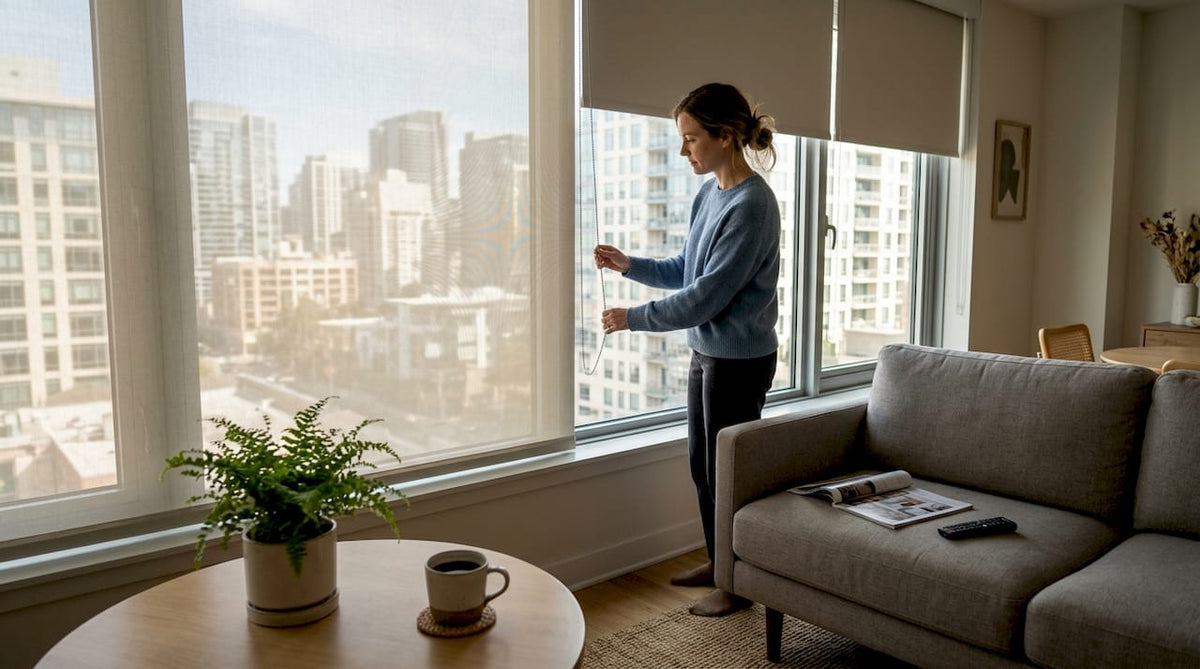
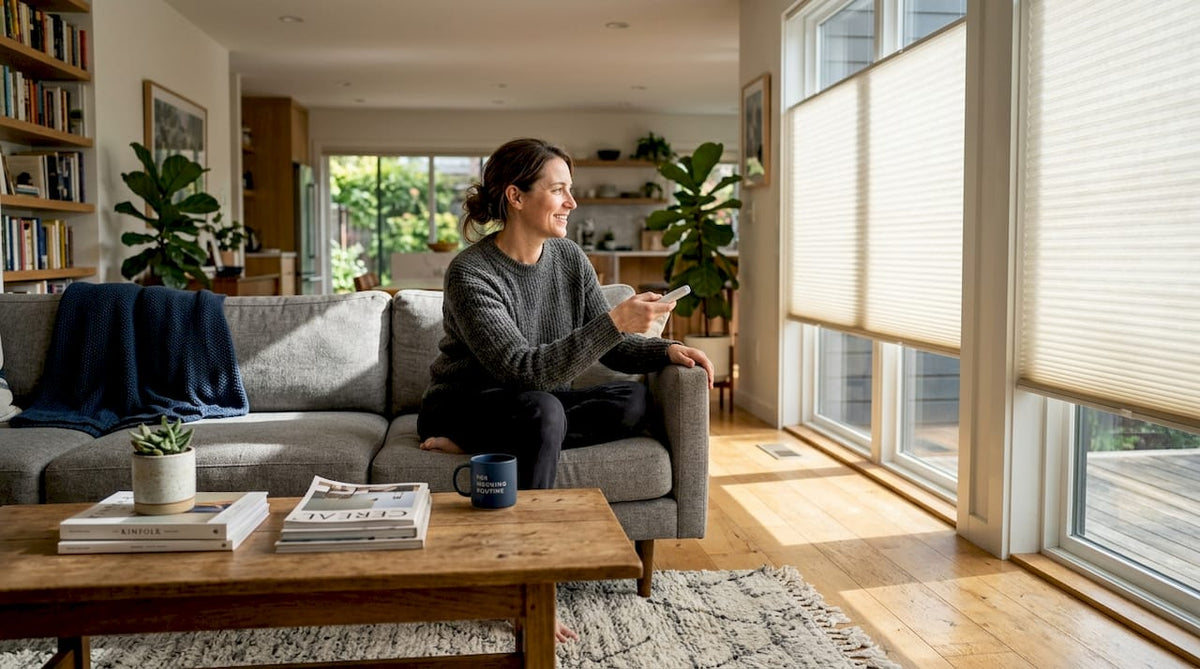
The “remote control” part layers smart technology on top of that structure. A small motor sits at the top of the shade and responds to a handheld remote, a smartphone app, a wall switch, or a voice command. You can raise, lower, or stop the shade from anywhere in your home, or set it on a schedule that runs automatically. Cellular-style shades outperform other window coverings in insulation terms, and adding motorized controls means you never have to manually adjust them to capture those savings.
These shades work beautifully in a wide range of spaces, including:
- Bedrooms, where blackout cellular shades block early morning light and keep the room temperature stable overnight
- Living rooms, where light-filtering cells soften glare without making the space feel dark
- Home offices, where glare control and thermal comfort directly affect productivity
- Hard-to-reach windows over staircases, skylights, or tall picture windows where a manual pull cord is impractical
- Nurseries and children’s rooms, where cordless operation removes cord-related safety hazards entirely
Cell size matters, too. Single-cell shades offer basic insulation at a lower price point. Double-cell shades trap two layers of air and significantly improve thermal performance. Triple-cell shades are the premium option, ideal for extreme climates or rooms with large glass surfaces. Check out these energy efficient window treatment tips to understand which cell depth fits your climate and room orientation before you buy.
Pro Tip: Hold a fabric sample up to a bright window before ordering. A thicker, denser cell structure will reduce visible light transmission and give you better insulation. If the cells look flimsy when backlit, the thermal performance will disappoint you in winter.
How remote control cellular shades improve energy efficiency
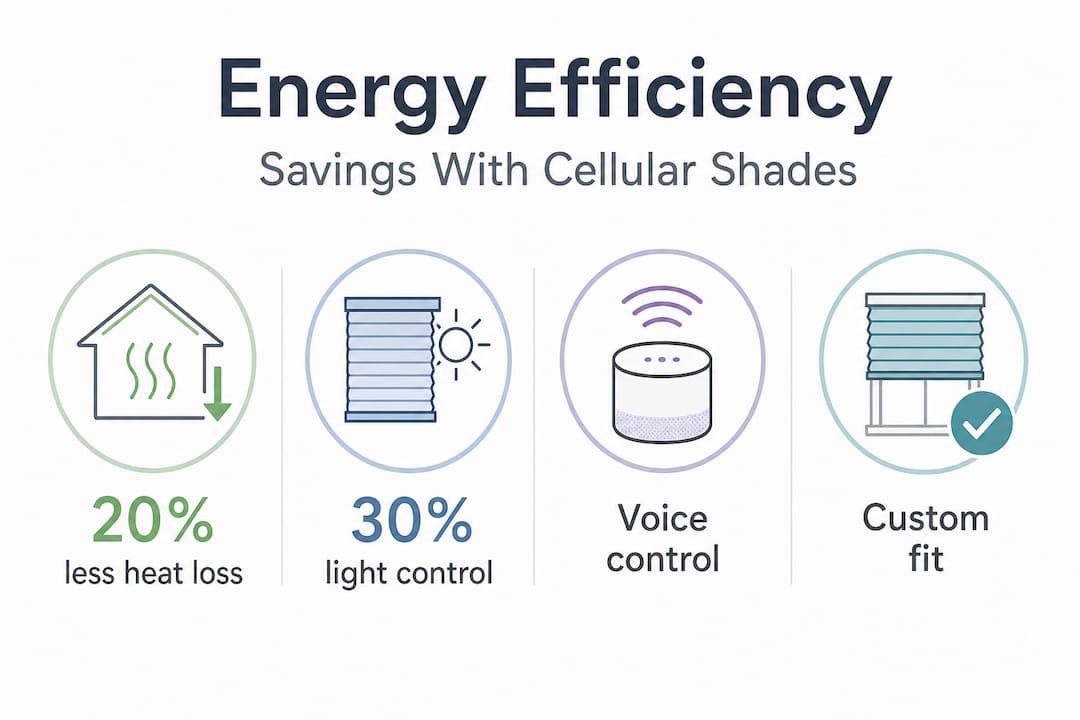
The honeycomb structure is the first line of defense. Glass is one of the weakest thermal barriers in any home. A single-pane window has an R-value (resistance to heat flow) of about 1. A standard roller shade adds almost nothing. A quality double-cell honeycomb shade can push that effective R-value noticeably higher by creating stable air pockets that resist convective heat movement. The result is a window that feels far less drafty in January and far less like a heat lamp in July.
Automation takes that foundation and builds on it strategically. Smart control allows repeatable positioning that further boosts thermal and lighting benefits beyond simple convenience. A manual shade gets adjusted when someone remembers. A scheduled shade gets adjusted perfectly, every single day, without anyone thinking about it.
“The true energy benefit of cellular shades is unlocked when you combine their insulating structure with precise, automated positioning timed to your local sunrise, sunset, and seasonal patterns. That combination consistently outperforms any manually operated window covering.” — expert review insight on energy efficient shades
Here is how the thermal performance compares across common shade types:
| Shade type | Insulation level | Best use case | Energy impact |
|---|---|---|---|
| Roller shade | Low | Light control | Minimal savings |
| Slatted blinds | Very low | Ventilation control | Negligible savings |
| Single-cell honeycomb | Moderate | Mild climates | Noticeable savings |
| Double-cell honeycomb | High | Most U.S. climates | Significant savings |
| Triple-cell honeycomb | Very high | Extreme climates | Maximum savings |
To actually lower your heating and cooling bill with scheduled shades, follow these steps:
- Identify your sun-facing windows. South and west-facing glass gains the most heat during afternoon hours. These are your highest-priority windows for automation.
- Set a morning schedule. Program shades on east-facing windows to lower automatically before sunrise in summer, blocking early heat gain before your AC kicks on.
- Use afternoon timers. Set west-facing shades to close by early afternoon in summer to prevent late-day solar heat buildup.
- Reverse the logic in winter. Program south-facing shades to rise during peak sunlight hours, letting passive solar heat reduce your furnace load, then close them at sunset to retain warmth.
- Use geofencing if your system supports it. When you leave the house, the shades close automatically. When you return, they adjust to your preferred position. Your HVAC system runs less while you are away.
Browse the full range of energy efficient blinds to find the right combination of cell depth and opacity for your specific rooms and climate zone.
Style and design considerations for today’s interiors
Energy performance earns the shades their place in your home, but the way they look keeps them there. The good news is that modern cellular shades have come a long way from the beige-only options of earlier decades. Today you will find them in dozens of colors, from soft neutrals and warm whites to deep charcoals and even muted jewel tones that work beautifully in contemporary spaces.
Architectural honeycomb shades have been tested favorably for both style and energy efficiency, making them a credible choice for design-conscious buyers. Fabric textures range from smooth and matte to subtly woven and linen-like, giving you real flexibility whether your space leans minimalist, Scandinavian, farmhouse, or traditional.
Here is a practical comparison of the three main opacity levels:
| Shade type | Light transmission | Privacy level | Energy effect | Best room |
|---|---|---|---|---|
| Light filtering | Soft, diffused glow | Moderate | Good insulation | Living room, office |
| Blackout | Near-total darkness | Maximum | Best insulation | Bedroom, nursery |
| Day/night (dual) | Adjustable by layer | High versatility | Strong insulation | Any room |
A few design tips worth keeping in mind:
- Match shade color to wall tone, not furniture. Shades frame the window, so they read more like architectural elements than soft furnishings. Keeping them close to your wall color makes rooms feel larger and more cohesive.
- Go cordless whenever possible. Hidden motors and cordless designs eliminate the visual clutter of hanging cords, giving your windows a clean, built-in look that feels far more intentional.
- Consider dual shades for rooms with shifting needs. A modern window shade with two layers lets you filter light during the day and switch to blackout at night without changing the hardware.
- Think about profile depth. Slim-profile motorized shades sit close to the window frame and are ideal for smaller spaces or windows that need to feel unobtrusive.
For kitchens specifically, shade selection gets a bit more nuanced because you are balancing moisture resistance, easy cleaning, and the need for both privacy and natural light. Reading up on kitchen shades for style and energy savings can help you navigate fabric choices that hold up to the cooking environment while keeping the space looking sharp.
Smart home integration and what to know before you buy
Knowing what you want aesthetically and thermally is half the battle. The other half is making sure the motorized system you choose actually fits your home and lifestyle. Before you commit, run through this checklist:
- Power source: Does the shade run on rechargeable batteries, replaceable AA batteries, or hardwired power? Battery-operated shades are easiest to install. Hardwired systems are more permanent and never need charging.
- App compatibility: Check whether the shade’s motor works with an app you actually want to use. Some systems have proprietary apps. Others connect to platforms you likely already have.
- Voice assistant support: Confirm compatibility with Alexa, Google Home, or Apple HomeKit before purchasing. Most quality smart shades offer voice integration and scheduling built in, but verify before you buy.
- Noise level: Some motors are noticeably audible. Read reviews or ask for a demo, especially for bedroom installations.
- Child and pet safety: Cordless motorized designs are the safest option for households with young children or pets. There are no hanging cords to grab or tangle.
- Warranty and support: Look for at least a two-year warranty on the motor mechanism and clear documentation on what the warranty covers.
For maintenance, most cellular shades need only occasional dusting with a soft brush or a quick pass with a hair dryer on cool setting to remove settled dust from inside the cells. Battery life varies by motor and how frequently the shade moves, but most rechargeable systems last three to twelve months between charges. The motorized blinds control guide covers power options and control system comparisons in useful detail.
If you want to see the full picture before purchasing, the day and night motorized cellular shades option is a strong starting point for rooms where your light needs shift throughout the day.
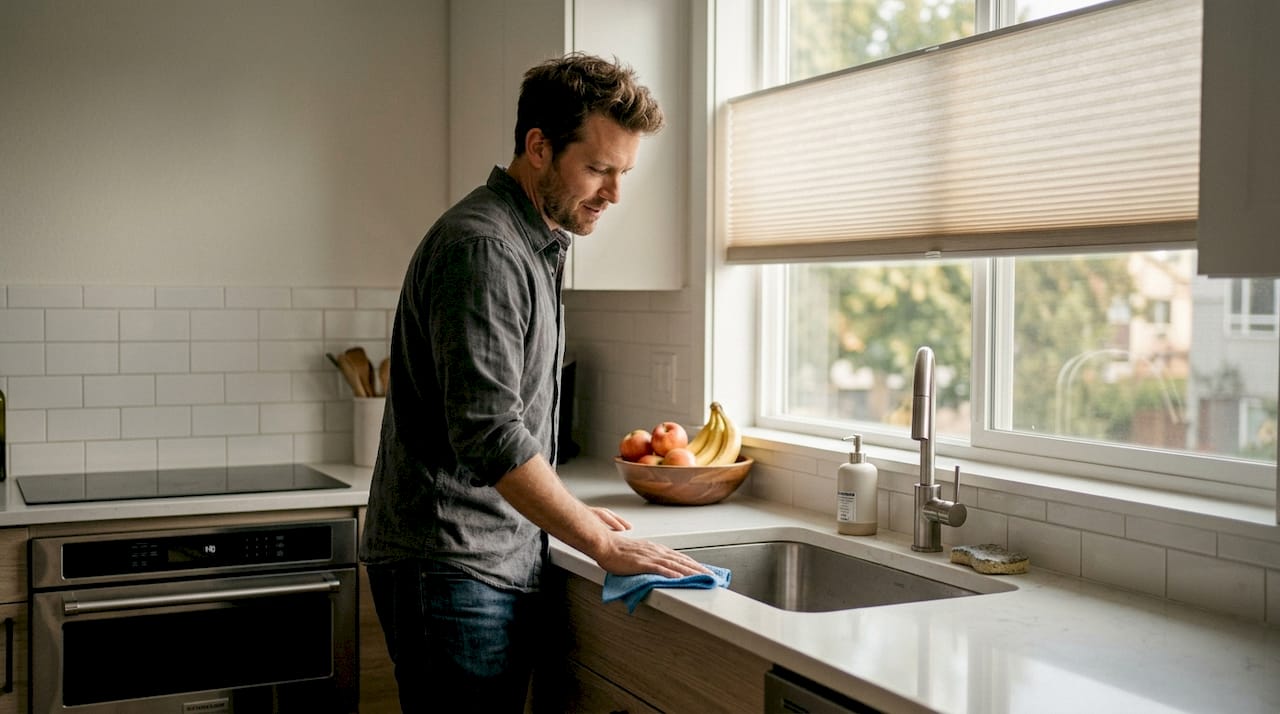
Pro Tip: You do not need to motorize every window to benefit. Prioritize two or three high-impact windows, typically the largest south or west-facing glass, and automate those first. The energy savings from those key windows can be substantial, and you will learn what scheduling patterns actually work for your routine before investing in the rest.
A designer’s perspective: Getting the real value from smart cellular shades
Here is something most buying guides skip: the biggest mistake buyers make is treating all windows in the house as equal. A shade that performs brilliantly in a west-facing living room does a mediocre job in a north-facing hallway, and paying motor prices for windows that barely see direct sunlight is rarely worth it.
Experienced designers approach a home window by window, asking which rooms drive the most energy loss, which windows affect how the room feels at different times of day, and where the visual impact of a clean, motorized shade will actually matter to the people living there. That kind of analysis consistently delivers better results than buying the same product for every window.
Layering also matters more than most buyers realize. Pairing cellular shades with a lightweight curtain panel lets you fine-tune both privacy and aesthetics. The shade handles insulation and light control. The curtain adds softness, color, and the ability to completely close off a room visually without blocking airflow when the shade is raised. It is a combination that feels far more designed and intentional than either element alone.
The morning and evening scheduling feature is one of the most underused tools in the whole system. Setting your east-facing bedroom shade to slowly rise thirty minutes before your alarm creates a natural light alarm clock effect that genuinely improves how you wake up. Setting living room shades to lower at sunset creates an automatic ambiance shift that makes evenings feel more intentional. These are lifestyle benefits that go well beyond the energy savings conversation, and they are available the moment you connect your shades to any basic scheduling app.
Most buyers also overbuy on features early, purchasing fully integrated smart systems when a simple remote and timer would cover ninety percent of their needs. Start with the window insulation guide to understand your baseline, then add automation in layers as you learn your own patterns. The best smart shade setup is one you actually use every day, not one that sits in an app you open twice a month.
Upgrade your space with premium remote control cellular shades
Remote control cellular shades deliver something rare in home design: genuine performance improvements wrapped in a product that looks exactly as good as it works.
At Value Blinds, you can explore a curated selection of cellular honeycomb shades built for both style and serious insulation performance. Every shade is available in custom sizes, multiple opacity levels, and a range of colors to fit your specific space. Browse the full lineup of energy saving blinds or use the interactive window treatment studio to visualize how different shades look in your actual room before you order. Expert support is available throughout the process, from measuring to final installation.
Frequently asked questions
Do remote control cellular shades really reduce energy bills?
Yes, cellular shades outperform other types in insulation and automation maximizes those savings by ensuring optimal shade position during peak heating and cooling hours throughout the day.
Are motorized cellular shades safe for homes with children or pets?
Yes, cordless and motorized designs eliminate hanging cords entirely, removing the primary cord-related safety hazard and making these shades one of the safest options for family homes.
Can cellular shades be custom-fitted for unusual window shapes?
Many remote control cellular shades are available in made-to-measure custom sizes, and specialty shapes like arches or trapezoids can often be accommodated by ordering through a custom window treatment provider.
What smart home systems do remote control shades work with?
Most quality motorized shades are compatible with voice assistant platforms including Amazon Alexa, Google Home, and Apple HomeKit, with many also supporting IFTTT-based automation routines.
How long do the batteries last in motorized cellular shades?
Battery life depends on motor type and how often the shade moves, but most rechargeable systems last between three months and a full year before needing a recharge or replacement.
Recommended
- Motorized Roller Shades: Style and Smart Control
- Value Blinds™ Premium Cordless Light Filtering Shades
- The Essential Guide to Remote Controlled Window Shades
- Cordless Blinds - Easy-to-Install Stylish Window Treatments for Your Home

Value Blinds®
Trusted window treatments provider
Value Blinds® is a trusted provider of Greenguard, OEKO-TEX, and FSC-certified window treatments based in Portland, Oregon. Specializing in sustainable, motorized, smart-controlled, and outdoor-ready blinds and shades, the company is built on a foundation of simplified shopping, premium eco-friendly materials, and transparent pricing without the inflated cost.