
Article: Best Curb Appeal Landscaping Ideas for Your Front Yard
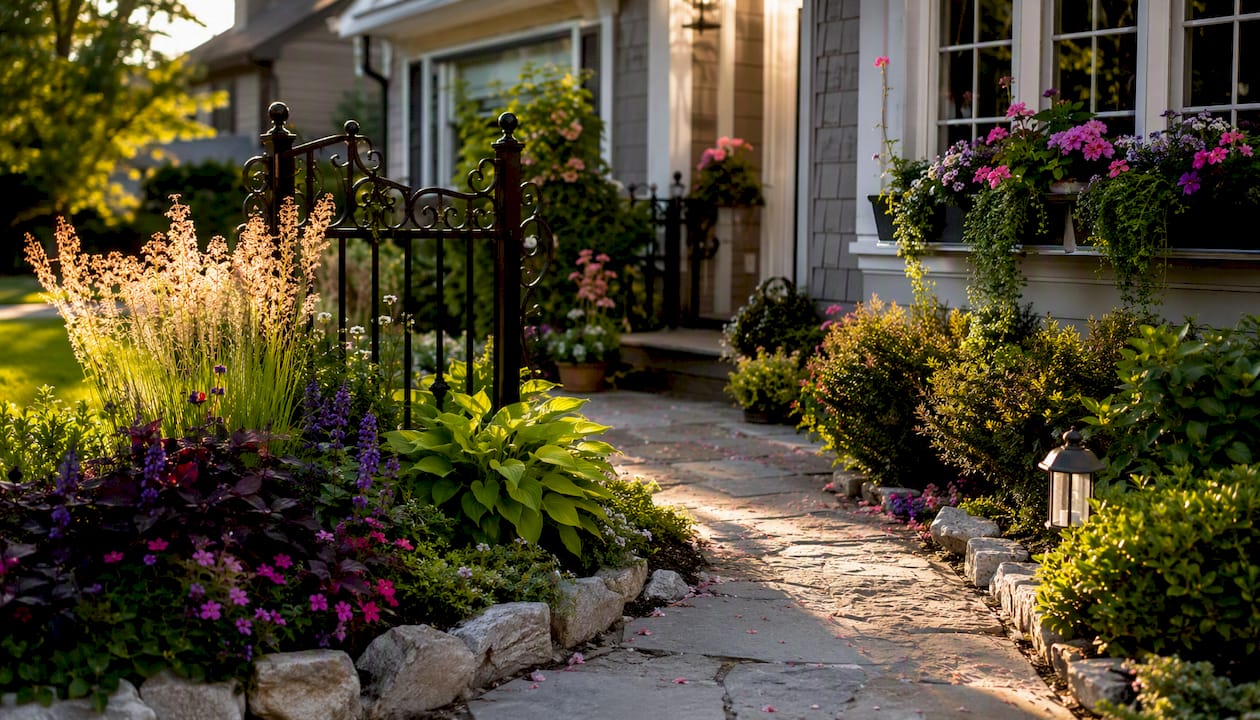
Best Curb Appeal Landscaping Ideas for Your Front Yard
These 8 high-impact curb appeal landscaping ideas deliver the biggest visual return for the least cost and time. Whether you have a Saturday afternoon or a full month, one of these projects will transform how your home looks from the street. Simple, low-cost actions like painting the front door, applying fresh mulch, and installing solar path lights can be completed in a single day and produce a noticeable improvement.
Here’s your quick-start checklist:
- Mulch and edge beds — fresh mulch + crisp edges = instant polish
- Paint the front door — one bold color changes everything
- Oversized containers — flank the entry with statement planters
- Mailbox garden — a small planting here punches way above its weight
- Solar path lights — warm glow, zero wiring, done in an hour
- Prune overgrown shrubs — clean lines make the whole yard look intentional
- Layered foundation plantings — evergreens anchored by seasonal color
- Defined pathway — a clear, wide path from street to door reads as welcoming
Short on time? Start with mulch and door paint — both cost under $100 combined and take less than a day. 🌿
Key Takeaways
The highest-impact curb appeal landscaping ideas combine a clear entry, clean edges, and scale-appropriate plants — and most can be completed in a day or weekend for under $200.
| Point | Details |
|---|---|
| Start with the entry | Paint the door, add oversized containers, and define the path before anything else. |
| Mulch and edges first | Fresh mulch plus crisp edging delivers the fastest visible improvement for the lowest cost. |
| Layer plants by height | Use two-thirds evergreen to one-third seasonal color for year-round structure. |
| Design for your maintenance capacity | A simple, well-kept yard always outperforms an ambitious one that gets neglected. |
| Targeted upgrades lift value | Modest front-yard improvements commonly lift perceived property value by roughly 5–12%. |
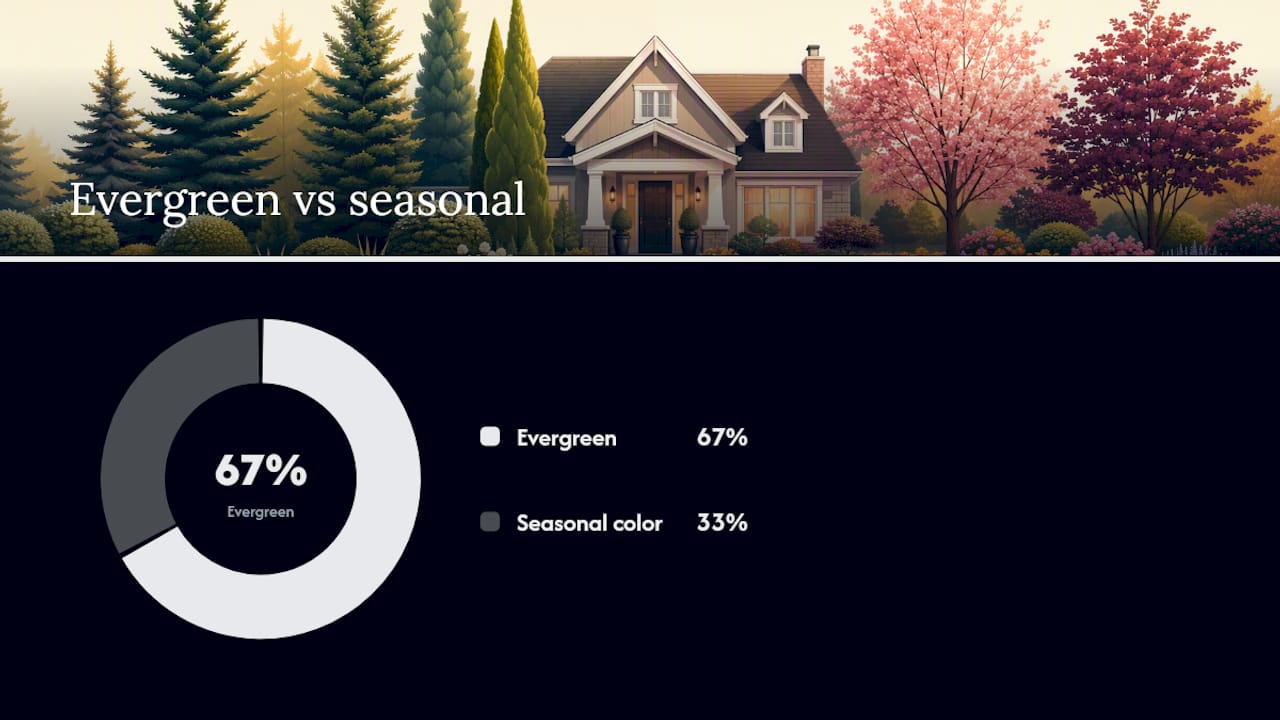
Table of Contents
- What design basics make curb appeal landscaping ideas actually work?
- Budget-friendly projects you can finish in a day or weekend
- How should you choose and arrange plants for lasting curb appeal?
- What hardscape and path materials give you the best curb appeal?
- How do lighting and finishing touches complete the look?
- What does a realistic maintenance schedule and budget look like?
- When should you DIY and when should you hire a pro?
- What 2026 front-yard design trends are worth adopting?
- Step-by-step action plans for a 1-day, 1-week, or 1-month makeover
- The case for keeping it simple and designing for how you’ll actually maintain it
- Sources
What design basics make curb appeal landscaping ideas actually work?
The most common mistake homeowners make is buying plants before they’ve looked at the house. Your home’s architectural style, roof color, and window proportions should guide every plant and hardscape choice you make. A craftsman bungalow calls for layered cottage-style plantings; a modern ranch reads better with clean, structural grasses and gravel.
Proportion matters more than plant count. A shrub that looks tidy at the nursery can swallow a window in three years. A well-designed front yard treats the space as three interrelated zones from street to foundation, with scale-appropriate plants at each layer. Tall structural plants belong at the corners and foundation; mid-height shrubs fill the middle; low groundcovers and edging plants tie it all together at street level.
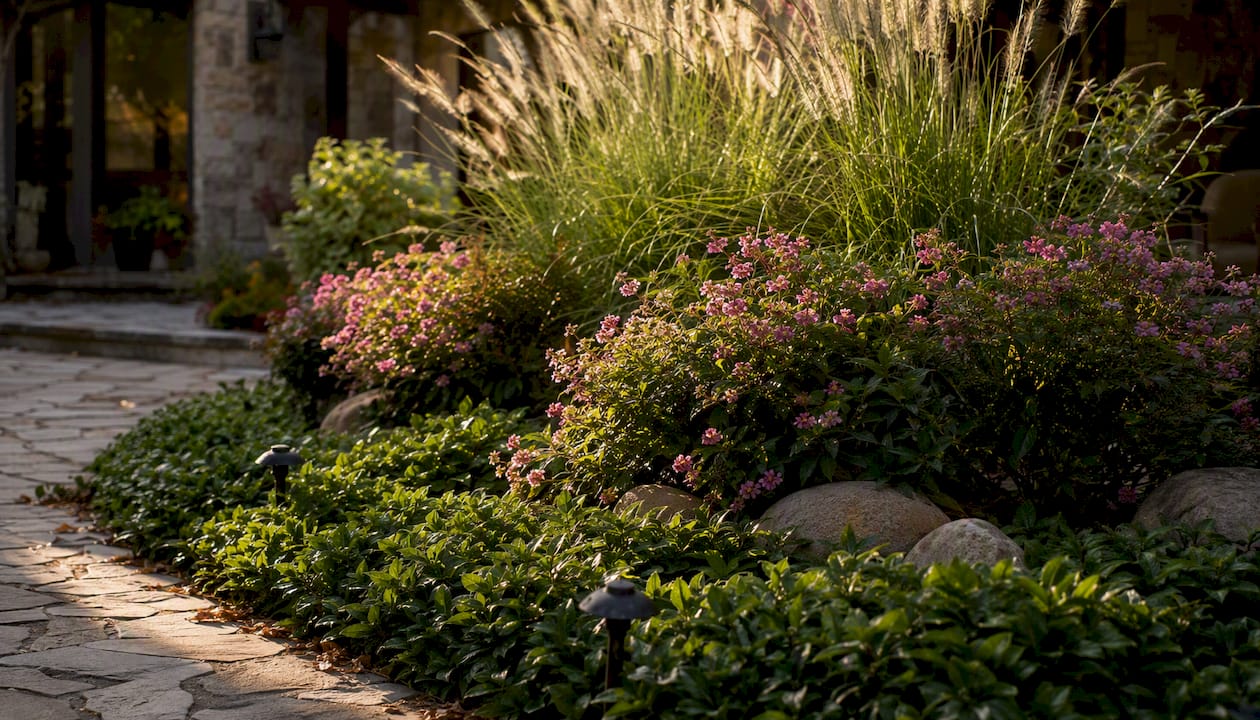
The rule of three is your best friend here. Group plants in odd numbers, repeat the same species or color in at least three spots, and limit your palette to three tones. Repetition creates cohesion; variety within that repetition keeps it interesting.
A few quick principles to keep in mind:
- Reveal the entry in stages — the path should guide the eye, not dump it at the door all at once
- Keep windows clear — plants that block glass make a home feel dark and neglected
- Echo your interior palette — if your interior trim is warm white, carry that into your container color or door paint
- Avoid the “one of everything” trap — a single specimen of ten different plants looks like a garden center, not a design
Pro Tip: Before you buy a single plant, take a photo of your front yard from the street. Look at it on your phone. That’s what buyers, guests, and neighbors see — and it’s usually very different from what you see standing in the yard.
Budget-friendly projects you can finish in a day or weekend
The fastest visual wins don’t require a contractor or a big budget. Most of the projects below cost under $200 and take a weekend at most.
A few execution notes worth knowing: mulch looks best at 2–3 inches deep (any thicker and it can suffocate roots). For door paint, use an exterior-grade satin or semi-gloss finish — flat paint shows every scuff within a season. Solar lights work best when placed where they get at least 6 hours of direct sun; shaded spots kill the battery fast.
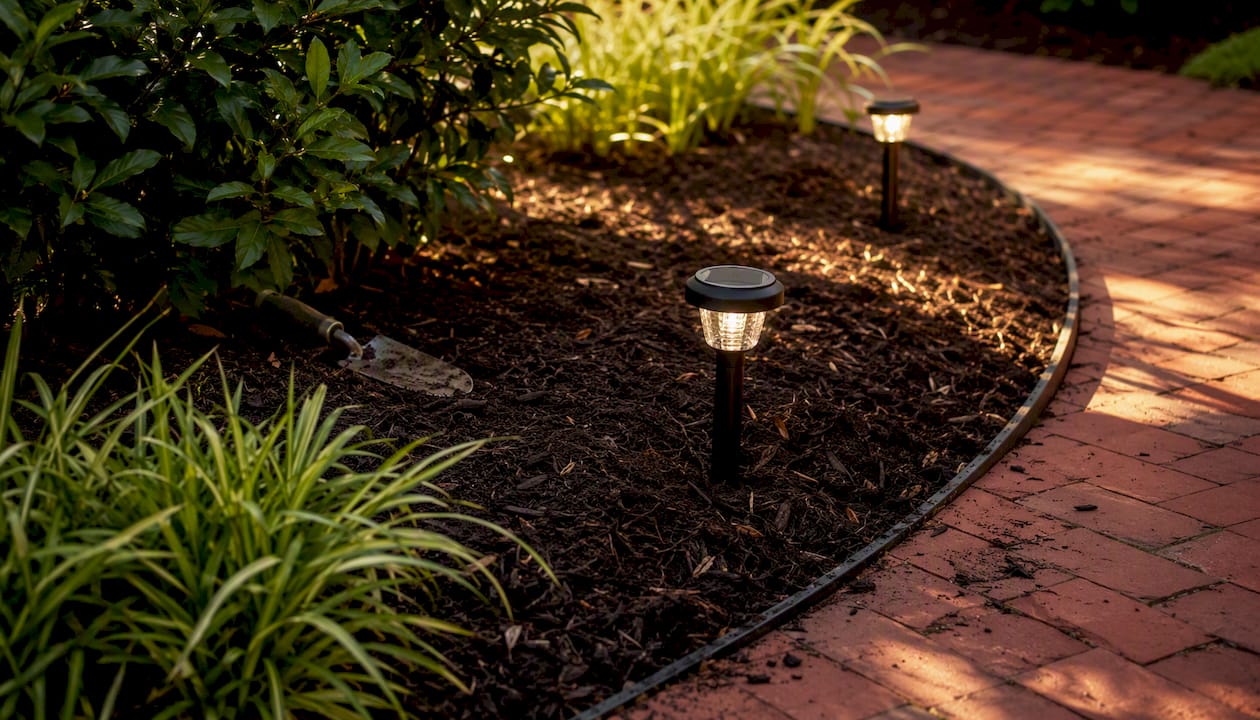
When do you need a pro? If the bed edging requires cutting through tree roots, or if your mailbox post is rotting and needs replacement, call someone. Otherwise, all of the above are genuinely DIY-friendly.
Pro Tip: To make a $50 mulch job look like a $500 landscaping refresh, use a half-moon edger to cut a clean, sharp border between lawn and bed before you spread the mulch. That crisp line is what separates “I just dumped some mulch” from “this yard is designed.”
Pair your new container planters with DIY hanging planter ideas for a layered entry that feels intentional from every angle. 🪴
How should you choose and arrange plants for lasting curb appeal?
The texture-forward planting trend is replacing the old “plant as many colorful annuals as possible” approach — and honestly, it’s a relief. Texture and form hold up year-round; a bed of petunias looks great in June and sad in September.
Layer by height and function. Tall structural plants (ornamental grasses, upright evergreen shrubs) go at the back or corners. Mid-height shrubs fill the middle zone. Low groundcovers and creeping plants anchor the front edge. Layering plants by height creates year-round structure, and a common guideline is two-thirds evergreen to one-third deciduous for seasonal interest.
Some plant choices that work across a wide range of U.S. climates:
- Evergreen backbone: Boxwood, dwarf Alberta spruce, inkberry holly, or Little Gem magnolia (South)
- Mid-layer texture: Karl Foerster feather reed grass, Russian sage, or native viburnums
- Seasonal color: Black-eyed Susans, coneflowers, or salvia (all pollinator-friendly)
- Groundcovers: Creeping phlox, liriope, or native sedge as lawn alternatives in shaded spots
Spacing is where most homeowners go wrong. Always space plants by their mature width, not their nursery size. A shrub sold in a 3-gallon pot might spread 5 feet wide in five years. Crowded plants look messy and create disease problems. Plan for mature spread when spacing foundation shrubs and keep foliage a few inches off walking surfaces.
Pro Tip: If you’re in a drought-prone region (Southwest, parts of the Southeast), swap traditional lawn for a native groundcover like buffalo grass or creeping thyme. You’ll cut water use significantly and never have to mow that section again.
What hardscape and path materials give you the best curb appeal?
Layout-first front-yard designs — defined paths, gravel islands, layered beds — help hardscape and planting work as a single system to reduce maintenance and improve long-term performance. The hardscape is the skeleton; plants are the skin. Get the skeleton right first.
Common materials and their tradeoffs:
- Concrete pavers: Durable, widely available, easy to replace individually if one cracks. Slightly formal in appearance.
- Flagstone: Natural, irregular look that suits cottage and craftsman styles. Requires a stable base to prevent rocking.
- Decomposed granite (DG): Affordable, permeable, great for dry climates. Needs edging to stay in place and can track into the house.
- Gravel: Low cost, excellent drainage, works beautifully with ornamental grasses and drought-tolerant plants. Not ideal for high-traffic paths.
Permeable pavers deserve a special mention. They allow rainwater to filter through rather than run off, which reduces erosion and can lower your stormwater management costs. In frost-prone climates, permeable surfaces also tend to resist heaving better than solid concrete because water drains away instead of freezing beneath the surface.
For edging, steel or aluminum landscape edging gives the cleanest, most durable line. Plastic edging works but tends to buckle over time. Natural stone or brick edging suits traditional homes and requires almost no maintenance once set.
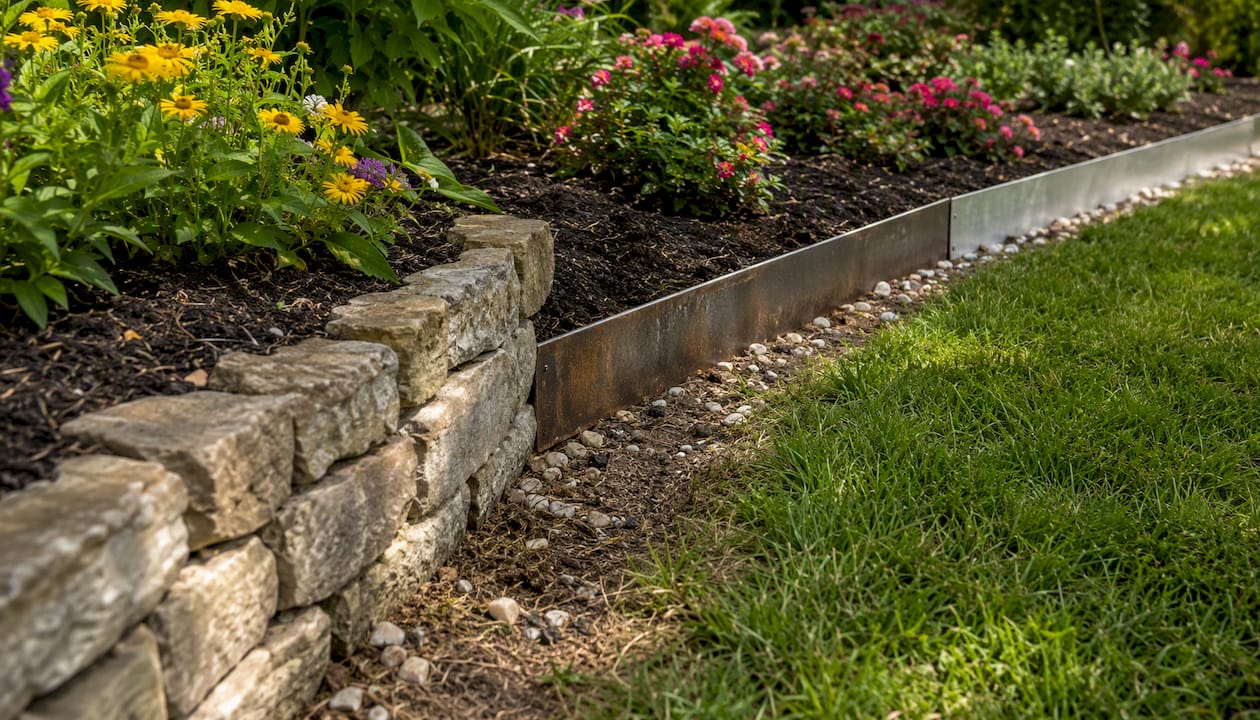
Paths should be 4–5 feet wide for comfortable two-person passage and to support universal access. A path that’s too narrow feels like a service entrance, not a welcome.
Pro Tip: Use a subtle curve or a slight angle in your path rather than a straight shot from sidewalk to door. It slows the eye, reveals the entry gradually, and makes even a modest yard feel larger and more intentional.
How do lighting and finishing touches complete the look?
Lighting is the finishing layer that most homeowners skip — and it’s one of the easiest wins left on the table. Designers recommend warm-color-temperature lighting around 3000K, directed and low-glare, with Dark Sky–compliant fixtures to highlight architecture and trees without washing out the whole yard in harsh white light.
Finishing touches that punch above their price:
- Clean house numbers — oversized, backlit, or contrasting-finish numbers are a $30–$80 upgrade that reads from the street
- Mailbox planting — a small cluster of ornamental grasses or perennials around the mailbox post ties the street edge to the yard
- Fresh mulch — yes, it’s on this list again, because it’s that good
- Oversized containers flanking the door — go bigger than you think; a 24-inch pot reads as designed, a 10-inch pot reads as an afterthought
- A statement door color — navy, forest green, and terracotta are all strong choices that photograph well
Solar vs. low-voltage wiring: Solar path lights are the easiest entry point — no wiring, no electrician, done in an hour. The tradeoff is brightness and reliability in cloudy climates. Low-voltage landscape lighting (12V systems) is brighter, more consistent, and still DIY-friendly with a transformer kit. For anything involving your home’s main electrical panel or in-ground wiring near utilities, hire a licensed electrician.
For a cohesive look that carries from outside to inside, smart home lighting ideas can help you match your exterior warm-tone fixtures with interior lighting choices. ✨
What does a realistic maintenance schedule and budget look like?
Targeted front-yard upgrades commonly lift perceived property value by roughly 5–12% and can shorten time on market when staged effectively. That’s a meaningful return on what are often very modest investments — but only if you maintain the work.
A simple seasonal rhythm keeps everything looking sharp without a lot of effort:
- Spring: Refresh mulch, prune winter-damaged shrubs, replant containers with warm-season annuals or perennials
- Summer: Edge beds monthly, deadhead flowering plants, water new plantings deeply once a week
- Fall: Cut back ornamental grasses, plant spring bulbs, add a layer of compost to beds
- Winter: Clean up dead stems (leave some for birds and beneficial insects), check solar light batteries, plan next year’s changes
Small recurring actions protect long-term value. A bed that gets mulched every spring and edged monthly looks intentional year-round. Skip two seasons and it reads as neglected — which undoes all the work you put in upfront. High-return actions like refreshing mulch, trimming hedges, and adding specimen shrubs stage well for photos and listings too.
When should you DIY and when should you hire a pro?
Most of the visual wins in front-yard landscaping are genuinely DIY-friendly. The projects that require a contractor are fewer than you’d think — but when they apply, skipping the pro is a real risk.
DIY-friendly tasks:
- Mulching, edging, and pruning
- Planting shrubs and perennials
- Installing solar or low-voltage path lights
- Painting the front door
- Setting container planters
- Laying pavers on a flat, stable surface
Hire a pro when:
- Your yard has a slope greater than 10–15 degrees (grading and drainage require engineering)
- You need a retaining wall taller than 2 feet (structural and often permit-required)
- The project involves cutting, removing, or planting large trees
- You’re installing in-ground irrigation or electrical wiring
- You suspect buried utilities (always call 811 before digging — it’s free and required by law)
- The project requires a permit (check with your local municipality)
When getting contractor quotes, ask for a written scope of work, a materials list, and proof of liability insurance. Get at least two quotes for any project over $500. Ask specifically whether the quote includes debris removal — it often doesn’t, and that can add $100–$300 to the final bill.
Pairing a front-door upgrade with a new designer door is one area where a pro installation often pays for itself in fit and finish. A door that hangs perfectly and seals properly looks and performs better than a DIY hang on an old frame.
What 2026 front-yard design trends are worth adopting?
Designers in 2026 emphasize longevity and texture — layered, texture-forward planting; oversized containers; permeable driveways; and dark-sky–compliant smart lighting as the practical front-yard trends with staying power. The shift is away from high-maintenance annual color displays and toward designs that look good in February as well as July.
Here’s what’s gaining momentum this year:
- Expressive entrances: Bold door colors, architectural planters, and statement house numbers that make the entry a focal point rather than an afterthought
- Texture-first planting: Pairing bold architectural foliage (like agave or large-leaf hostas) with soft, wispy grasses for contrast that reads from the street
- Permeable driveways and paths: Gravel, permeable pavers, and DG surfaces that manage stormwater and add an upscale, naturalistic look
- Oversized containers: One or two very large pots beat six small ones every time — scale is the trend
- Dark-sky–compliant lighting: Warm, directed, low-glare fixtures that highlight the home without contributing to light pollution
The texture-forward trend is particularly worth adopting because it’s budget-friendly and low-maintenance. Swapping a few annuals for ornamental grasses or architectural shrubs costs roughly the same upfront and dramatically reduces replanting costs over time.
Pro Tip: You don’t need to redo your whole yard to look current. Pick one trend element — an oversized container, a new path material, or a warm-tone path light — and add it to what you already have. One well-chosen addition often does more than a full replant.
Step-by-step action plans for a 1-day, 1-week, or 1-month makeover
Before you start any timeline, do this pre-work: take photos from the street, call 811 to locate buried utilities, and pick a cohesive color palette (three tones max — house color, door color, and one accent).
1-day makeover
- Clean gutters, sweep the walkway, and remove any dead plants or debris
- Prune overgrown shrubs so windows and the entry are visible
- Apply 2–3 inches of fresh mulch to all beds
- Paint the front door (two coats, let dry between)
- Add one oversized container with a thriller-filler-spiller planting at the entry
1-week makeover
- Complete all 1-day tasks first
- Install metal bed edging along all planting beds
- Add solar path lights along the walkway (6–8 lights, evenly spaced)
- Plant a mailbox garden with ornamental grasses or low perennials
- Replace or upgrade house numbers with a larger, bolder style
- Add a second oversized container to balance the entry
1-month makeover
- Complete all 1-week tasks first
- Install or replace the front pathway (pavers, flagstone, or DG)
- Plant layered foundation shrubs: evergreen anchors at corners, mid-height shrubs between windows, low groundcovers at the front edge
- Add low-voltage landscape lighting to highlight the best architectural features
- Plant spring bulbs or seasonal perennials for color at the street edge
- Photograph the finished yard from the street and compare to your before photo
The 1-month plan is where you start to see the home improvement projects that genuinely lift perceived value, not just appearance. 🏡
The case for keeping it simple and designing for how you’ll actually maintain it
Here’s an opinion you won’t hear from every landscaping guide: the most beautiful front yard is the one you can actually keep up with. A complex layered garden with 15 species, a drip irrigation system, and a gravel path sounds amazing in theory. If you travel for work and hate weeding, it will look like a disaster by August.
The best curb appeal landscaping ideas are the ones matched to your real maintenance capacity — not your aspirational one. If you can commit to one hour per month, design for that. Mulch, three species of low-maintenance shrubs, and clean edging will always outperform an ambitious design that gets away from you.
There’s also a cohesion principle worth naming: your front yard and your interior should feel like they belong to the same home. The same way layering window treatments creates depth and intention inside, layering plants by height and texture creates that same sense of design from the street. When your exterior palette echoes your interior trim colors, the whole home reads as considered rather than assembled.
One practical tip: if you’re updating your front entry, take that moment to look at what your windows communicate from the outside. Warm, light-filtering shades visible from the street add to the overall impression of a well-kept, welcoming home. It’s a small detail that ties the whole picture together.
Sources
These are the sources referenced throughout this article, organized by type:
Trend commentary (2026 design directions):
- Front Yard Curb Appeal — Transform Your Front Yard Into a | Planting Atlas
- 1st Impressions Landscaping For Instant Curb Appeal - MAWEB
- Front yard landscape ideas for 2026: where hardscape and planting work as one system
- 1st impressions landscaping for instant curb appeal - BHG
Practical how-to guides:
Plant selection and design principles:
Value and ROI: