

Made to measure blinds: enhance style and save energy
Many homeowners view window blinds as purely decorative, but research reveals they can reduce heat loss by almost 50%. Made to measure blinds combine premium customization with powerful energy efficiency benefits that standard options simply cannot match. These tailored window treatments deliver perfect fit, enhanced insulation, and seamless integration with your interior design vision. This guide explores how to select, install, and benefit from custom blinds that transform both your home’s appearance and energy performance. You’ll discover fabric technologies, style options, and practical tips to maximize comfort while lowering heating and cooling costs.
Table of Contents
- What Are Made To Measure Blinds And Why Choose Them?
- Energy Efficiency Gains With Made To Measure Blinds
- Choosing The Right Fabric And Style For Your Space
- Installation Tips And Maintenance For Lasting Performance
- Explore Premium Made To Measure Blinds At Value Blinds Direct
- FAQ About Made To Measure Blinds
Key takeaways
| Point | Details |
|---|---|
| Significant heat reduction | Advanced fabrics can reduce window heat loss by up to 58%, lowering energy bills. |
| Custom design options | Perfect fit and extensive style choices ensure seamless interior integration. |
| Improved home comfort | Tailored blinds enhance temperature control and privacy throughout your space. |
| Expert-tested performance | Independent lab testing confirms measurable energy efficiency gains. |
| Easy style integration | Customization options complement any interior design aesthetic effortlessly. |
What are made to measure blinds and why choose them?
Made to measure blinds are window treatments tailored precisely to your window dimensions and design preferences. Unlike standard off the shelf options, these custom blinds eliminate gaps that compromise insulation and aesthetics. You specify exact measurements, fabric type, color, opacity level, and operating mechanism to create blinds that function as seamlessly as they look.
The benefits of custom fit extend far beyond appearance. Precise measurements ensure optimal light control, allowing you to manage natural illumination throughout the day without compromise. Energy performance improves dramatically because tailored blinds minimize air gaps around window frames where heat escapes during winter or enters during summer. This tight seal creates an additional insulation barrier that standard blinds cannot replicate.
Customization options include diverse materials like natural wood, synthetic composites, woven fabrics, and advanced thermal textiles. Color palettes span neutral tones to bold statements, while fabric types range from blackout to sheer filtering. Operating mechanisms offer corded, cordless, motorized, and smart home integration possibilities. These choices let you balance functional requirements with interior design goals.
Made to measure blinds excel for unique window shapes including arches, triangles, bay windows, and oversized openings. Designer interiors benefit from the cohesive look that perfectly fitted treatments provide. Compared to off the shelf alternatives, custom blinds deliver:
- Superior insulation through precise fit and advanced materials
- Enhanced light control with exact opacity specifications
- Longer lifespan due to quality construction and proper sizing
- Professional appearance that elevates overall interior aesthetics
- Better return on investment through energy savings and durability
For homeowners seeking both style and substance, custom window blinds represent a strategic upgrade that pays dividends in comfort and efficiency. The initial investment in precise measurements and quality materials translates into years of improved home performance.
Energy efficiency gains with made to measure blinds
Independent testing at Energy House Labs demonstrated that Blind Screen products reduce heat loss by 49% through windows, a substantial improvement over standard treatments. This research used controlled thermal imaging and precise temperature monitoring to quantify actual performance under realistic conditions. The findings challenged industry assumptions about window treatment effectiveness.
Subsequent fabric innovations pushed these results even further. Enhanced fabrics improved heat reduction to 58%, representing a breakthrough in residential energy efficiency. These advanced materials incorporate reflective layers, cellular structures, and dense weaves that trap air and block thermal transfer. The technology works bidirectionally, keeping heat inside during winter and blocking solar gain during summer.
Made to measure construction maximizes these fabric benefits through precise fit. Even the best insulating material loses effectiveness with gaps around edges where air circulates freely. Custom sizing eliminates these thermal bridges, ensuring the full insulation potential reaches your windows. Inside mount installations create particularly effective seals by fitting blinds directly within window frames.
Energy savings translate directly into lower utility costs. A typical home loses 25 to 30% of heating and cooling energy through windows. Reducing this loss by half can decrease annual energy bills by hundreds of dollars, depending on climate and home size. Over a decade, these savings often exceed the initial blind investment.
Proper fabric selection remains crucial for optimizing energy benefits. The table below compares thermal performance across common options:
| Fabric Type | Heat Reduction | Best Application | Energy Rating |
|---|---|---|---|
| Cellular honeycomb | 45 to 58% | Year round insulation | Excellent |
| Blackout thermal | 40 to 50% | Bedrooms, media rooms | Very good |
| Light filtering thermal | 30 to 40% | Living spaces | Good |
| Standard fabric | 15 to 25% | Decorative priority | Fair |
Pro Tip: Combine made to measure blinds with low emissivity window glass for maximum energy efficiency. The dual approach can reduce window heat loss by over 70%, creating a high performance thermal barrier that dramatically cuts heating and cooling demands.
Exploring best blinds for insulation helps identify which styles suit your climate zone and window orientation. South facing windows benefit most from solar heat blocking during summer, while north facing openings prioritize heat retention during winter. Custom fabric roller shades offer versatile solutions that adapt to seasonal needs through fabric layering or dual roller systems.
Choosing the right fabric and style for your space
Fabric selection determines both aesthetic impact and functional performance of your made to measure blinds. Understanding material properties helps you balance privacy, light control, energy efficiency, and design cohesion. Each fabric type offers distinct advantages that suit specific room purposes and personal preferences.
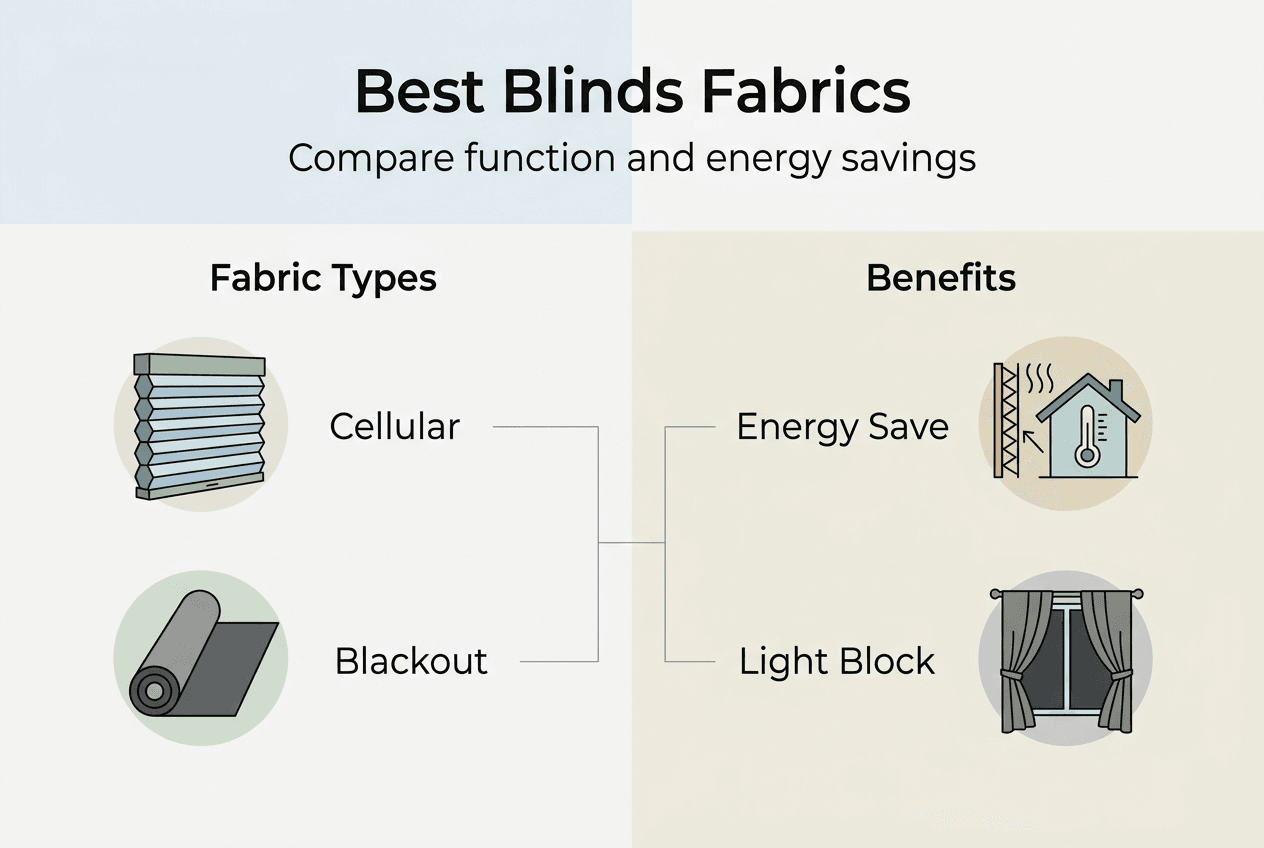
Blackout fabrics block virtually all light transmission, creating complete darkness ideal for bedrooms and home theaters. These dense materials also provide excellent thermal insulation and maximum privacy. Light filtering fabrics soften natural illumination while maintaining daytime privacy, perfect for living rooms and kitchens where you want brightness without glare. Honeycomb or cellular fabrics trap air in pockets, delivering superior insulation with moderate light filtering. Natural woven materials like bamboo or linen add organic texture while offering partial light control and modest energy benefits.
Advanced fabric technologies continue evolving. Testing results enabled fabric improvements that strengthen both performance and market position. Manufacturers now incorporate metallic backing, multiple layers, and specialized coatings that enhance heat reflection without compromising appearance. These innovations let you achieve professional aesthetics alongside measurable efficiency gains.
Style choices profoundly affect room ambiance and functionality. Vertical orientations suit sliding doors and wide windows, while horizontal designs complement standard openings. Fabric patterns range from solid colors to geometric prints, florals, and textures. Color selection influences perceived room temperature, with lighter shades reflecting heat and darker tones absorbing it. Consider existing decor elements like wall colors, furniture fabrics, and flooring when choosing blind aesthetics.
The comparison table below weighs fabric pros and cons:
| Fabric Category | Design Advantage | Energy Benefit | Maintenance Level | Cost Range |
|---|---|---|---|---|
| Blackout thermal | Bold statement, complete privacy | Excellent insulation | Low, wipeable | Medium to high |
| Cellular honeycomb | Clean lines, modern appeal | Superior year round efficiency | Medium, dust prone | Medium |
| Light filtering | Soft ambiance, versatile style | Moderate heat control | Low, easy cleaning | Low to medium |
| Natural woven | Organic texture, warmth | Minimal insulation | High, delicate fibers | Medium to high |
Customization ensures your blinds blend seamlessly with home decor while meeting functional needs. Specify exact color matches using fabric swatches, choose operating mechanisms that suit your lifestyle, and select mounting styles that optimize window architecture. Layering options like pairing sheer and blackout fabrics on dual rollers provide ultimate flexibility.
Pro Tip: Request fabric samples before finalizing your order to evaluate color accuracy, texture, and light transmission in your actual room lighting. Digital images rarely capture true appearance, and seeing physical samples prevents costly mismatches with existing decor.
Explore premium sheer fabric vertical blinds for spaces requiring elegant light diffusion with privacy control. The extensive vertical blinds collection offers materials and colors that complement contemporary and traditional interiors alike.
Installation tips and maintenance for lasting performance
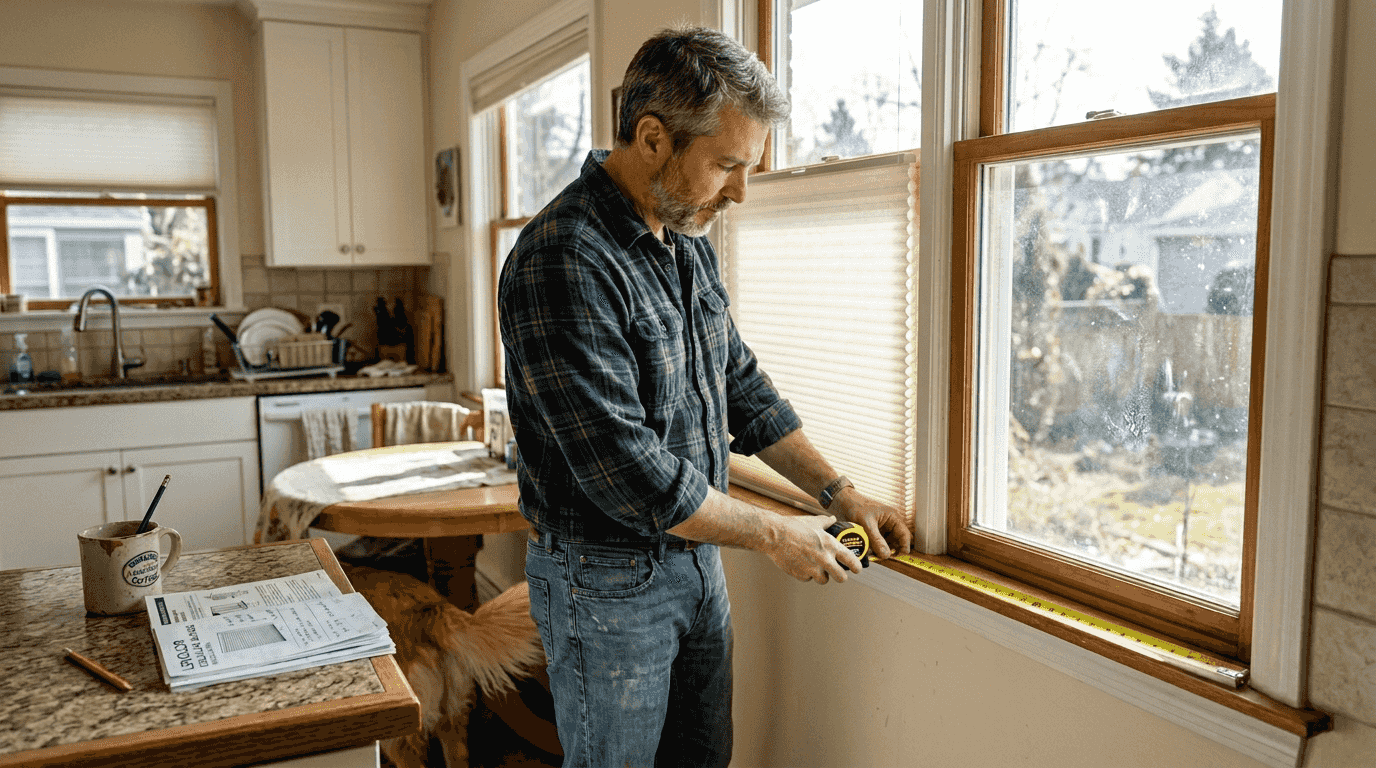
Accurate measuring forms the foundation of successful made to measure blind installation. Even small measurement errors compromise fit, reducing energy efficiency and visual appeal. Measure window width at three points (top, middle, bottom) and use the smallest dimension to ensure blinds fit properly. Measure height similarly at left, center, and right positions. For inside mount installations, account for any obstructions like window cranks or locks that might interfere with blind operation.
Professional installation eliminates guesswork and ensures optimal performance, particularly for complex window shapes or motorized systems. However, many homeowners successfully install blinds themselves using detailed guides and basic tools. The choice depends on your comfort level, window accessibility, and blind complexity. Cordless options simplify installation by eliminating cord routing and safety concerns.
Installation types affect both appearance and function:
- Inside mount positions blinds within the window frame, creating a clean integrated look and maximizing insulation by minimizing gaps
- Outside mount places blinds on the wall above and around the window, making openings appear larger and covering frame imperfections
- Ceiling mount suspends blinds from above, ideal for tall windows or creating dramatic floor to ceiling treatments
Routine maintenance preserves fabric life and efficiency over years of use. Dust accumulation reduces light filtering effectiveness and can stain certain materials. Most fabrics benefit from weekly dusting with a microfiber cloth or vacuum brush attachment. Spot clean stains immediately using manufacturer recommended solutions, as delayed treatment often sets marks permanently.
Cleaning methods vary significantly by fabric type:
- Vinyl and synthetic fabrics tolerate damp wiping with mild soap solution
- Natural materials like wood or bamboo require dry dusting only to prevent warping
- Delicate sheers need gentle vacuuming at low suction to avoid tearing
- Blackout fabrics often feature wipeable surfaces but check care labels first
Avoid harsh chemicals, bleach, or abrasive scrubbing that damage protective coatings and fabric integrity. Never immerse motorized blinds or those with metal components in water. When deep cleaning becomes necessary, professional services understand material specific requirements and have specialized equipment.
Annual inspection checklist ensures continued performance:
- Check mounting brackets for looseness or damage
- Test operating mechanisms for smooth function
- Inspect fabric for tears, fading, or permanent creasing
- Verify cord or chain condition on manual systems
- Clean motorized components and replace batteries if applicable
- Assess energy efficiency by checking for light gaps or air leaks
Address minor issues immediately before they escalate into costly repairs or replacements. Tightening loose brackets takes minutes but prevents fabric stress that leads to premature wear. The custom window blinds overview provides additional installation guidance, while cordless and no drill options offer simplified installation for renters or those avoiding wall damage.
Explore premium made to measure blinds at Value Blinds Direct
Transform your home with made to measure blinds that deliver both stunning aesthetics and measurable energy savings. Value Blinds Direct offers an extensive range of customizable window treatments designed specifically for homeowners and designers seeking premium quality and precise fit. Every product combines advanced fabric technology with elegant styling to enhance your interior while reducing energy costs.
The Window Treatment Design Studio lets you visualize and customize your perfect blinds before ordering. Select from diverse materials, colors, and operating systems while seeing real time previews in your space. Expert support guides you through measurement, fabric selection, and installation planning to ensure flawless results. Browse the complete collection of high quality blinds featuring roller shades, cellular options, and natural materials. Discover elegant vertical blinds perfect for sliding doors and wide windows. Experience the difference that precision craftsmanship and personalized service make in your home.
FAQ about made to measure blinds
How much do made to measure blinds cost compared to standard options?
Made to measure blinds typically cost 30 to 60% more than off the shelf alternatives, with prices varying by material, size, and complexity. Custom cellular or motorized blinds represent the higher end, while basic roller shades cost less. The investment pays back through superior energy efficiency, longer lifespan, and perfect aesthetic integration that standard blinds cannot match.
Can made to measure blinds really reduce my energy bills?
Yes, properly fitted custom blinds with thermal fabrics can reduce window heat loss by up to 58%, translating into measurable utility savings. The exact amount depends on your climate, window size, and current insulation levels. Most homeowners see 10 to 20% reductions in heating and cooling costs, with payback periods of three to seven years depending on initial investment.
How do I order made to measure blinds online?
Ordering involves measuring your windows accurately, selecting fabric type and color, choosing mounting style, and specifying operating mechanism preferences. Most retailers provide detailed measurement guides and video tutorials. Design studios let you visualize options before purchase. Submit measurements and selections through the website, then receive custom manufactured blinds within two to four weeks for professional or self installation.
What is the best way to clean different blind fabrics?
Vinyl and synthetic fabrics tolerate damp wiping with mild detergent, while natural materials require dry dusting only. Cellular fabrics benefit from gentle vacuuming with brush attachments. Always check manufacturer care labels before cleaning. Avoid harsh chemicals or excessive moisture that damage protective coatings. For deep cleaning or delicate materials, professional services ensure safe treatment without fabric damage.
Should I hire a professional to install made to measure blinds?
Professional installation is recommended for complex window shapes, motorized systems, or if you lack basic tool skills. Experts ensure proper mounting, alignment, and operation while avoiding measurement errors. However, many homeowners successfully install standard blinds themselves using provided instructions and basic tools. Cordless and no drill options simplify DIY installation significantly, making professional help optional for straightforward applications.