
Made to Measure Window Blinds: Style, Fit, and Efficiency
Choosing the right window blinds can shape the look and feel of your home. For many North American homeowners, balancing style, privacy, and energy savings makes custom blinds an appealing upgrade over generic options. With choices like wood, cellular, and motorized blinds, you get a tailored fit and better insulation, helping maintain comfort through tough Canadian winters or blazing American summers. Discover how made to measure designs offer both a flawless finish and long-lasting durability for every room.
Table of Contents
- What Are Made To Measure Window Blinds?
- Types Of Custom Window Blind Options
- Benefits Of Choosing Custom Blinds
- How To Order For Perfect Fit And Style
- Installation, Care, And Common Pitfalls
Key Takeaways
| Point | Details |
|---|---|
| Customization for Perfect Fit | Made to measure blinds are tailored to your specific window dimensions, eliminating gaps and enhancing aesthetics. |
| Variety of Options Available | A wide range of blind types allows you to choose styles that best match the functionality and design of each room. |
| Personalization Enhances Design | Custom blinds provide the ability to select colors, materials, and features that align with your home’s interior design. |
| Long-Term Investment Benefits | Although the initial cost is higher, custom blinds offer durability and energy efficiency, leading to savings over time. |
What Are Made to Measure Window Blinds?
Made to measure window blinds are custom-fitted window coverings built specifically for your windows rather than purchased off-the-shelf in standard sizes. Unlike ready-made blinds that come in predetermined dimensions and often require awkward adjustments or leave gaps at the edges, made to measure blinds are manufactured to your exact specifications. This means the width, height, and depth are all calculated to fit your windows perfectly, creating a clean, professional appearance that enhances your home’s aesthetics while eliminating light leaks and drafts that plague generic solutions.
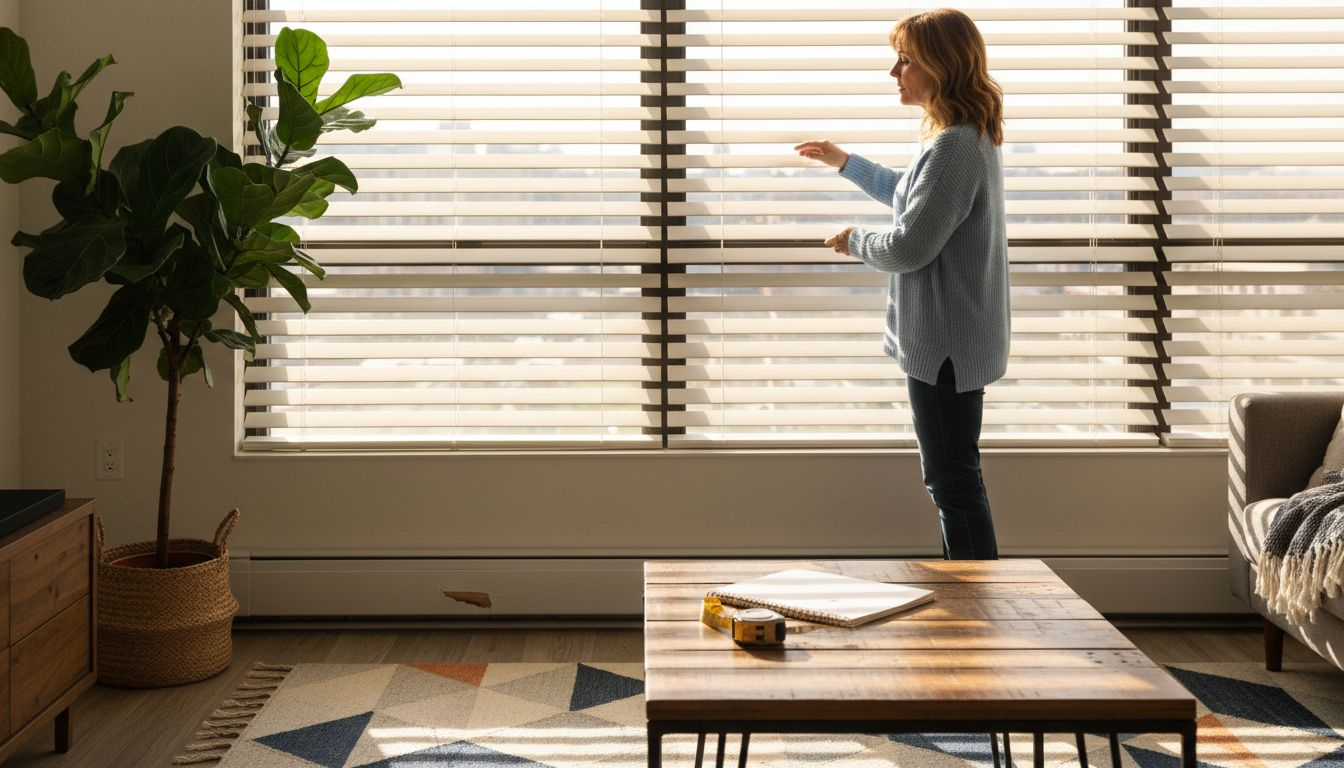
The process starts with accurate measurements. When you order made to measure blinds, you’ll either measure your windows yourself using a detailed guide or work with specialists who can ensure precision. The measurements you provide determine everything from the fabric size to the hardware configuration. This customization extends beyond basic dimensions. You choose the specific material, color, finish, and special features like blackout technology, motorized controls, or cordless operation. Want roller shades in a warm beige that matches your living room’s paint color? You can have that. Need cellular shades with room-darkening properties for a bedroom? That’s an option too. The flexibility lets you align your window treatments with both your design vision and functional needs.
What sets made to measure blinds apart from standard alternatives is the attention to fit and finish. Because they’re built to your window’s exact proportions, there’s no wasted material, no need for filler brackets, and no unsightly gaps around the edges. This precision fit also improves energy efficiency. When blinds fit snugly within your window frame, they minimize air infiltration and help regulate temperature more effectively than loose-fitting alternatives. Homeowners in North America particularly appreciate this benefit during harsh winters or scorching summers when heating and cooling costs spike. The quality construction also means these blinds typically last longer than mass-produced options, making them a smarter long-term investment despite the higher initial cost.
Before placing your order, you’ll want to understand the importance of accurate window measurements to ensure your blinds arrive fitting perfectly. Most manufacturers provide detailed instructions or measurement templates to guide you through the process. They’ll specify whether you should measure inside the window frame for an inside mount or the outside of the frame for an outside mount, and these distinctions directly affect how your finished blinds look in your space. Getting this right the first time prevents costly returns and ensures you’re completely satisfied with your purchase.
Pro tip: Measure your windows at three different points (top, middle, and bottom for height; left, center, and right for width) and use the smallest measurement to ensure your blinds fit without binding or leaving gaps.
Types of Custom Window Blind Options
When you decide to go with made to measure blinds, you’re not limited to a single style. The market offers numerous blind types, each with distinct advantages for different rooms, window sizes, and personal preferences. Understanding what’s available helps you make an informed choice that aligns with your home’s aesthetic and your functional needs.
Roller shades stand out for their simplicity and clean lines. They roll up into a compact cylinder at the top of your window, creating a minimalist look that works in modern and traditional spaces alike. Cellular shades (also called honeycomb shades) feature a unique honeycomb structure that traps air, making them exceptional for energy efficiency. If you live in a climate where heating and cooling costs spike, cellular shades can meaningfully reduce your bills. Roman shades bring elegance through fabric folds that stack neatly when raised, offering a tailored appearance that suits formal living rooms or bedrooms. For those seeking precise light control and adjustability, horizontal blinds like Venetian and mini blinds remain popular choices. They allow you to tilt slats to your exact preference, blocking light from specific angles while maintaining visibility.
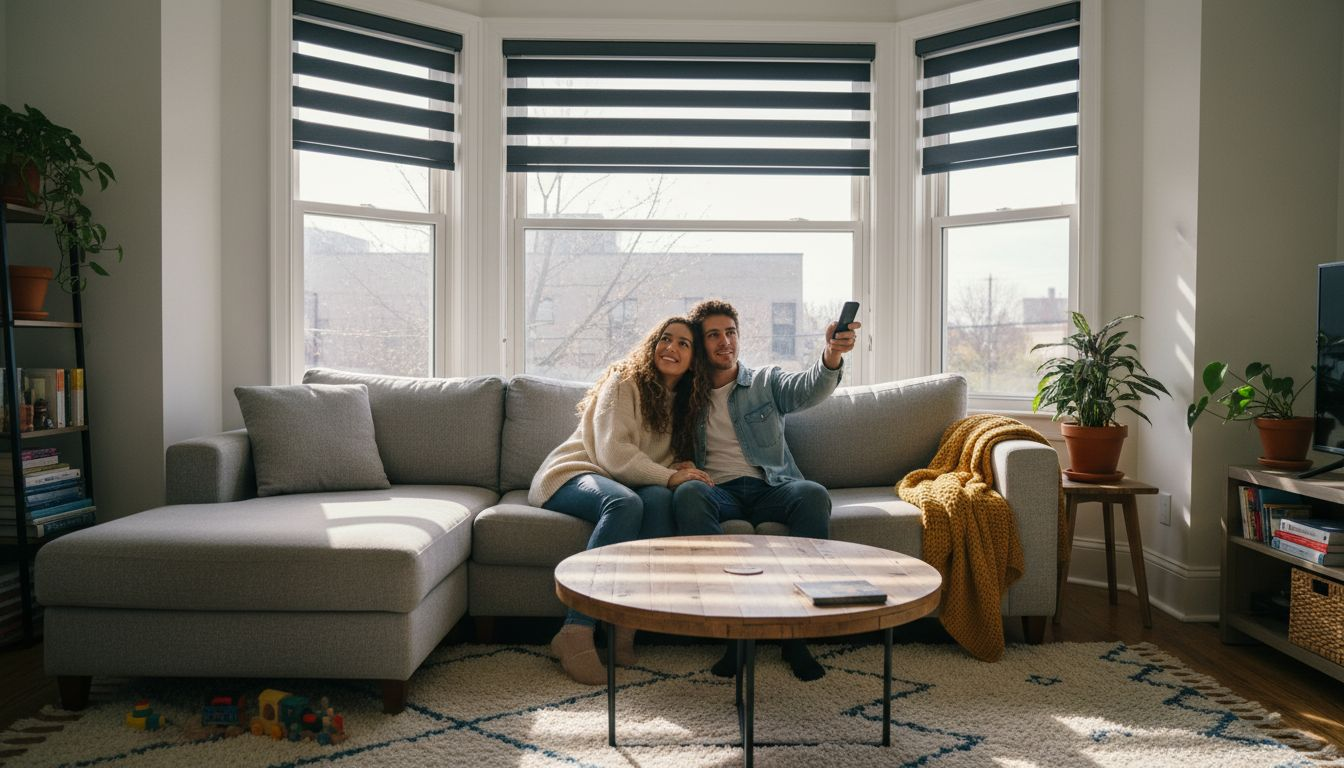
Vertical blinds excel in rooms with large windows, sliding glass doors, or patio access. Their vertical orientation makes them ideal for wide spans that would be awkward with horizontal slats. For a natural, warm aesthetic, wood blinds deliver timeless appeal and work beautifully in traditional or contemporary settings. If durability and low maintenance matter to you, synthetic options like aluminum and vinyl blinds provide resilience against moisture and warping. Contemporary blind materials now include motorized options that let you control your blinds with a remote or smartphone, adding convenience and a touch of modern technology to your home.

When customizing your blinds, consider how each type performs in your specific room. Kitchens and bathrooms benefit from moisture-resistant materials. Bedrooms might prioritize blackout capability for better sleep. Living rooms often prioritize aesthetics and light control flexibility. The beauty of custom blinds is that you’re not forced into compromises. You select the blind type that matches your room’s purpose, then customize the color, material, and features to fit your exact vision. Some homeowners even combine multiple blind types throughout their home—roller shades in the kitchen for easy cleaning, cellular shades in bedrooms for insulation and privacy, and wood blinds in the living room for warmth and elegance.
Here is a quick comparison of popular custom blind types and their unique strengths:
| Blind Type | Distinctive Feature | Best Room/Application |
|---|---|---|
| Roller Shades | Sleek, minimalist design | Living rooms, kitchens |
| Cellular Shades | Superior energy insulation | Bedrooms, offices |
| Roman Shades | Elegant fabric folds | Formal spaces, bedrooms |
| Horizontal Blinds | Adjustable slat angle control | Offices, living rooms |
| Vertical Blinds | Effective for wide windows | Patio doors, large windows |
| Wood Blinds | Warm, natural appearance | Dens, traditional living |
| Synthetic Blinds | Highly moisture-resistant | Kitchens, bathrooms |
Pro tip: Match your blind type to your room’s primary function: choose moisture-resistant materials for wet areas, blackout options for bedrooms, and motorized controls for hard-to-reach windows to maximize both functionality and convenience.
Benefits of Choosing Custom Blinds
Custom blinds deliver advantages that off-the-shelf alternatives simply cannot match. When you invest in made to measure window treatments, you’re gaining benefits that span aesthetics, functionality, comfort, and long-term value. Understanding these advantages helps explain why homeowners across North America are increasingly choosing customization over generic solutions.
The most obvious benefit is personalization. With custom blinds, you control every detail. You select from hundreds of colors, materials, and textures to create window treatments that harmonize perfectly with your home’s design scheme. If your living room features warm wood tones, you can choose blinds in complementary shades that enhance rather than clash. If you’re designing a modern minimalist space, you can opt for sleek roller shades in neutral tones. This level of customization ensures your window treatments feel intentional and cohesive, elevating your entire room’s aesthetic. Unlike ready-made options that force you to choose from limited colors and styles, custom blinds expand your design possibilities exponentially.
Privacy and light control take on new meaning with custom blinds. Enhanced privacy controls and precise light modulation improve the comfort of your living spaces by letting you dictate exactly how much light enters each room at any time. Your bedroom can be pitch black for uninterrupted sleep. Your home office can have filtered light that reduces screen glare without making the space feel cave-like. Your kitchen can admit bright morning light when you want it and block harsh afternoon sun when needed. This precision creates rooms that feel tailored to your lifestyle rather than compromised by generic solutions.
Energy efficiency represents one of the most compelling practical benefits. Custom blinds fit your windows perfectly, eliminating the air gaps that plague standard blinds. This snug fit acts as an insulating layer that helps regulate indoor temperature, reducing strain on your heating and cooling systems. During winter, they trap warm air inside. During summer, they block solar heat before it enters your home. Homeowners report meaningful reductions in energy bills, especially in climates with extreme temperature swings. The financial savings accumulate month after month, eventually offsetting the initial investment in custom blinds. Beyond the bottom line, this efficiency also means your home stays more comfortable year-round without constant thermostat adjustments.
Durability sets custom blinds apart from mass-produced competitors. Quality materials and precision construction mean these blinds withstand years of daily use without warping, fading, or mechanical failure. You won’t deal with broken slats, corroded hardware, or fabric that deteriorates after a few seasons. This longevity reduces the cycle of replacement and waste that comes with cheaper alternatives. Many homeowners find they install custom blinds once and enjoy them for a decade or more without issues. Maintenance remains straightforward—most custom blinds clean easily with a soft cloth or gentle dusting, requiring no special treatments or professional services.
Review this summary of common custom blind benefits for homeowners:
| Benefit Category | Custom Blinds Provide | Long-Term Impact |
|---|---|---|
| Personalization | Choice of color, material, features | Harmonized, intentional design |
| Privacy & Light | Tailored control in each room | Improved comfort and sleep quality |
| Energy Efficiency | Snug fit as insulation | Reduced heating/cooling costs |
| Durability | Premium materials, longer lifespan | Fewer replacements, less waste |
| Maintenance | Easy cleaning and care | Lower ongoing upkeep effort |
Pro tip: Choose cellular shades with motorized controls for bedrooms and hard-to-reach windows to maximize energy efficiency, privacy, and convenience while minimizing the effort needed to operate them daily.
How to Order for Perfect Fit and Style
Ordering custom blinds requires thoughtful decision-making, but the process is straightforward when you break it into manageable steps. Unlike impulse purchases at big-box stores, custom blinds deserve attention to detail. You’re making an investment in your home that will last for years, so taking time to get it right pays dividends.
Start by measuring your windows accurately. This is the foundation of everything else. Incorrect measurements lead to blinds that don’t fit properly, defeating the entire purpose of going custom. How to measure windows for perfect custom treatments involves understanding whether you need an inside mount (blinds fit within the window frame) or an outside mount (blinds sit on the wall around the frame). Inside mounts create a clean, streamlined look and work well for windows with deep frames. Outside mounts suit shallow frames or windows where you want to visually enlarge the space. Measure at multiple points—top, middle, and bottom for height, and left, center, and right for width. Use the smallest measurement to ensure your blinds fit without binding. Take your time here. Many installation problems stem from rushing through measurements.
Next, consider the style and material that aligns with your room’s aesthetic and functional needs. Walk through your home and think about how each room functions. Your kitchen needs moisture-resistant materials that wipe clean easily. Your bedroom might benefit from blackout capability for better sleep. Your living room probably prioritizes both aesthetics and flexibility in light control. Browse available options and collect samples if possible. Most quality custom blind providers offer free swatch programs that let you see colors and textures in your actual space under your lighting conditions. This matters more than you might think. A color that looks perfect in a showroom might feel different in your home. Living with samples for a few days before ordering prevents buyer’s remorse.
When you’re ready to order, select your blind type, material, color, and any special features. Do you want cordless operation for safety and clean lines? Are motorized controls worth the investment for your lifestyle? Should you add blackout lining for enhanced privacy and energy efficiency? Each choice impacts the final product and price. Read product descriptions carefully and don’t hesitate to contact customer support with questions. Legitimate custom blind companies welcome inquiries because they want you to be satisfied. They understand that informed customers make confident purchasing decisions and become loyal repeat customers.
Finally, review your order summary before submitting payment. Verify measurements, confirm the blind type and color, check that all desired features are included, and ensure the quantity matches your needs. Some retailers offer design tools or consultation services that help visualize your choices before ordering. Take advantage of these resources. A few extra minutes spent verifying details prevents expensive mistakes.
Pro tip: Order samples of your top color and material choices, leave them up for several days in different lighting conditions, and test how they look at various times of day before placing your final order.
Installation, Care, and Common Pitfalls
Once your custom blinds arrive, proper installation sets the stage for years of trouble-free operation. Most quality custom blinds are designed for straightforward DIY installation, though some homeowners prefer professional installation for peace of mind. The choice depends on your comfort level, available time, and the blind type. Simple roller shades typically install in minutes with basic tools. More complex systems like motorized blinds may warrant professional setup to ensure electrical connections and automation features work flawlessly.
Before touching your blinds, read the manufacturer’s installation instructions thoroughly. Seriously. Skimming instructions leads to frustration and potential damage. You’ll need a drill, screwdriver, level, measuring tape, and wall anchors appropriate for your wall type. Drywall, plaster, and solid wood all require different anchors. Using the wrong anchors causes brackets to pull loose, resulting in sagging blinds and potential safety hazards if blinds fall unexpectedly. Take time to locate wall studs where possible, as fastening into solid wood provides superior holding strength. Installing cordless blinds requires careful attention to hardware placement to ensure mechanisms operate smoothly and safely without tangled cords or binding.
After installation, maintenance keeps your blinds looking fresh and functioning properly. Dust accumulation is the primary enemy. Regular dusting with a soft cloth or microfiber duster prevents buildup that dulls finishes and affects operation. For deeper cleaning, use a slightly damp cloth for most materials, but check manufacturer guidelines first. Some materials like real wood require gentler approaches than synthetic options. Avoid harsh chemicals and excessive water, which can damage mechanisms and finishes. For stubborn spots, a mixture of mild soap and water usually works effectively. Cellular shades deserve special attention since dust settles in their honeycomb structure. A gentle vacuum with a brush attachment removes particles without crushing the delicate cells.
Common pitfalls sabotage even well-intentioned installations. Many people mount brackets too close together, causing the blind to sag in the middle. Brackets should be positioned within 2 inches of each window’s edges and spaced no more than 40 inches apart for standard blinds. Another frequent mistake involves using inadequate fasteners in drywall. Wall anchors rated for your blind’s weight prevent catastrophic failure. Some homeowners also install blinds before hanging curtain rods or artwork, then discover spacing conflicts. Plan your entire window treatment strategy before installation. Additionally, failing to allow headroom for the blind’s operation creates frustrating binding issues. Roller shades need several inches of clearance above the window frame. Cellular shades require space for their lift mechanisms. Test operation throughout the full range before finalizing installation.
Moisture presents challenges in kitchens and bathrooms. While moisture-resistant materials resist warping, chronic exposure to steam still causes problems. Ensure adequate ventilation in these spaces. Use exhaust fans during and after showering. Wipe condensation from windows regularly. This simple habit prevents moisture from sitting against blinds for extended periods. Finally, avoid over-tightening hardware during installation. Too much force on screws and bolts strips threads and can crack mounting brackets, especially on synthetic materials. Hand-tight plus a quarter turn usually suffices.
Pro tip: Use a level during installation to ensure your blinds hang perfectly straight, and test full operation in both directions before considering the job complete.
Discover Perfectly Made to Measure Window Blinds for Your Home
Struggling to find window blinds that fit your unique windows while blending style and energy efficiency can feel overwhelming. This article highlights how made to measure blinds solve common challenges like poor fit, wasted energy, and limited design choices by offering precise customization in size, material, and features. You deserve window treatments that not only enhance your home’s beauty but also improve comfort and reduce your utility bills.
At Value Blinds, we specialize in delivering custom blinds tailored exactly to your needs. Explore our New Arrivals featuring the latest trends in cordless, blackout, and motorized shades for effortless style and functionality. Whether you want the insulating benefits of cellular shades or the sleek simplicity of roller shades, our online tools and expert support make it easy to measure your windows accurately and bring your vision to life.
Start transforming your living spaces today with custom window treatments that fit perfectly and last for years. Visit Value Blinds now to browse our extensive selection and request free swatches. Take control of your home’s light, privacy, and energy efficiency with precision-made blinds designed just for you. Learn more about our Fire Retardant collection for added safety and style at your fingertips.
Frequently Asked Questions
What are made to measure window blinds?
Made to measure window blinds are custom-fitted window coverings tailored specifically to your windows, as opposed to standard sized, off-the-shelf options. They provide a snug fit that enhances aesthetics and energy efficiency while eliminating gaps and light leaks.
How do I measure my windows for custom blinds?
To measure your windows accurately, you need to determine whether you want an inside or outside mount. Measure at multiple points (top, middle, and bottom for height; left, center, and right for width), and use the smallest measurements to ensure a proper fit. Most manufacturers provide guides to assist with this process.
What types of materials can I choose for my custom blinds?
You can choose from a variety of materials for custom blinds, including fabric, wood, aluminum, and vinyl. Options also include specialized features like blackout technology and motorized controls. Each material offers distinct benefits, such as aesthetic appeal, moisture resistance, and energy efficiency.
What are the benefits of choosing made to measure blinds over ready-made options?
Made to measure blinds provide excellent personalization, improved privacy and light control, enhanced energy efficiency, and increased durability. They are designed to fit your windows perfectly, reducing air gaps that lead to efficiency losses, and their quality construction ensures they last longer than mass-produced window treatments.