

Organizing Small Spaces: 3 Low Cost Moves That Actually Stick
Clear your surfaces, then go vertical (walls, door backs, above cabinets), then pick furniture that pulls double duty. That order matters more than any product you buy. Start this weekend: clear one countertop or table completely, then mount one shelf or hook system on the nearest empty wall. Everything else in this guide builds on those two moves, plus the habits that keep them from unraveling in three weeks.
TL;DR:
- Mount vertical storage solutions like shelves and hooks before adding containers to maximize space without cluttering floors or surfaces.
- Use concealed storage options and clear sight lines to create the illusion of more space and improve natural light flow.
- Focus on room-specific tactics, such as building a landing zone in entryways, freeing counter space in kitchens, and utilizing under-bed storage in bedrooms.
- Opt for multifunctional furniture and visual tricks like leggy designs or transparent pieces to reduce visual bulk and expand perceived room size.
- Start organizing with simple, repeatable steps, such as removing visible items from one wall and installing vertical organizers before investing in small containers.
Table of Contents
- Organizing Small Spaces Starts With These Core Principles
- Room-by-Room Tactics for Organizing Small Spaces
- Furniture and Products That Actually Save Space
- Renter-Friendly Organizing Ideas That Skip the Drill
- Decluttering Habits That Keep Small Spaces From Backsliding
- What to Buy First: A Shopping Checklist for Small Spaces
- How Value Blinds Helps You Make Small Spaces Feel Larger
- A Small, Repeatable Way to Start Organizing Small Spaces
- Window Treatments That Help Small Rooms Feel Bigger
- Sources
Organizing Small Spaces Starts With These Core Principles
Before you buy a single bin, you need decision rules. Hacks without principles fall apart the first time life gets busy, and you’re back to a countertop full of mail and a chair buried in laundry.
Here’s the framework that holds up:
- Think in three dimensions, not two. Most people only see floor space. The real estate you’re ignoring is wall space, the backs of doors, the gap under your bed, and the dead zone above your kitchen cabinets. Floating shelves and over-door organizers add storage without eating floor area, which is the whole game in a small home.
- Every item has to earn its square footage. If something sits unused for a season, it’s renting space it hasn’t paid for. Adopt a one-in, one-out rule for anything beyond consumables: a new sweater means an old one leaves.
- Concealed storage beats visible storage, almost always. A basket with a lid reads as calm. The same basket open and overflowing reads as chaos, even with identical contents. Assigning a specific home to every item cuts down on the visual noise that makes small rooms feel cramped, because your eye stops scanning for stray objects.
- Protect your sight lines and your natural light. A room where you can see clear across it, uninterrupted, feels bigger than the square footage says. Furniture that blocks a window or stacks up mid-room kills that effect fast.
- Know when to stop optimizing and start decluttering. You can install every shelf and ottoman on the market, but if the room still feels stuffed, storage isn’t your problem anymore. Volume is. No organizer fixes too much stuff.
Pro Tip: Work in this exact order: clear surfaces first, add vertical storage second, bring in containers and bins last. Skipping ahead to containers just gives clutter a nicer box to live in.
That last principle is the one people resist, because buying a cute basket feels like progress and giving away a box of clothes doesn’t. But once your walls are used and your furniture is pulling double duty, the only lever left is fewer things.
Room-by-Room Tactics for Organizing Small Spaces
General principles are useful, but you fix a cluttered entryway and a cluttered bathroom with different tools. Here’s what to do in each room, starting with the one that sets the tone for your whole home.
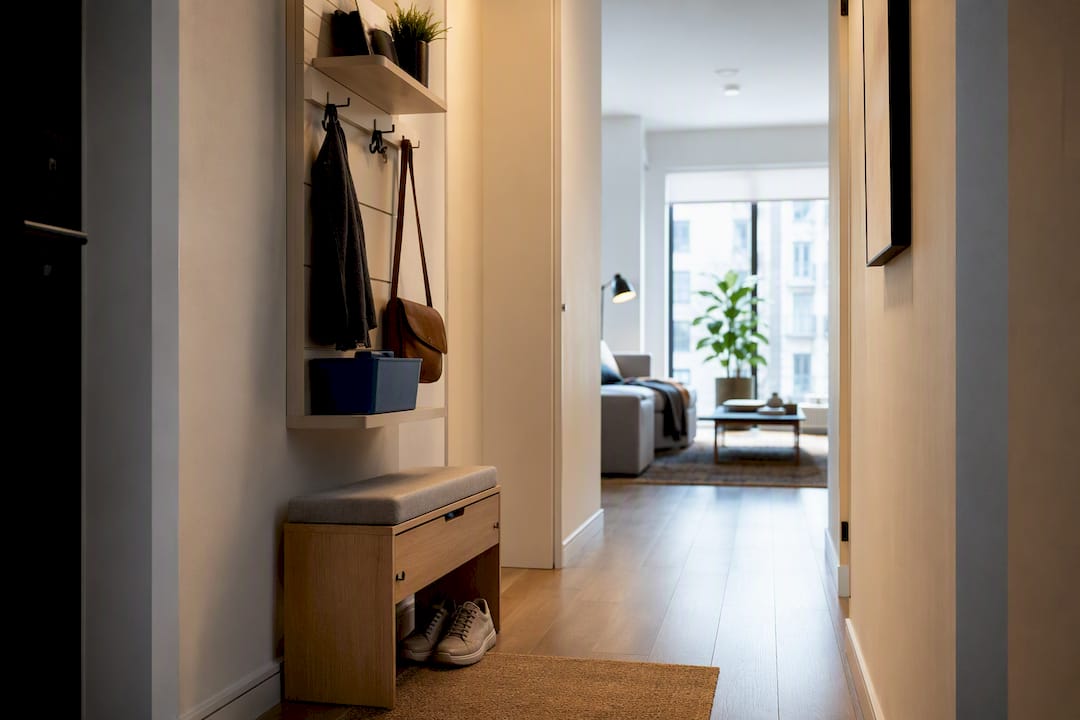
1. Entry: build a landing zone that actually catches things
Keys, mail, shoes, and bags all need a home within three feet of your front door, or they’ll colonize your kitchen counter instead.
- Mount hooks at two heights (one for coats, one for bags) so you’re not fighting for the same three pegs every morning.
- A slim storage bench with a hidden compartment gives you a place to sit while removing shoes and a spot to stash the clutter nobody needs to see.
- Label small bins for mail, keys, and pet gear so guests and family members put things back without asking you where they go.
2. Kitchen: free up your counters first
Kitchen counters are prime real estate, and most of them are wasted on things that could live somewhere else.
- Hang pots and utensils from a rail or hooks instead of stacking them in a cabinet you have to dig through.
- Magnetic strips hold knives and spice tins vertically, freeing an entire drawer.
- Shelf risers double your cabinet storage instantly, since most cabinet space above a stack of plates sits empty.
- A slim rolling cart adds counter space and pantry storage that rolls out of the way when you need the floor.
3. Living room: keep the sight lines open
- Floating shelves store books and decor without narrowing the walkway the way a bookcase does.
- Nested tables give you three surfaces that collapse into the footprint of one when you don’t need them.
- Furniture on visible legs (rather than a solid base) lets light travel underneath, which makes the whole room read as more open, a trick interior storage guides consistently point to for small homes.
4. Bedroom: the most underused storage in your home is under your mattress
The space under a standard bed frame is often ten cubic feet of dead air. Fix that, and you’ve solved half your storage problem without adding a single piece of furniture.
- Under-bed bins for off-season clothes and linens.
- A lift-top storage bench at the foot of the bed for extra blankets or shoes.
- A capsule wardrobe (a smaller, curated rotation of clothes) shrinks the actual volume you need to store, which matters more than any organizer once your closet is full.
5. Bathroom: go up, not out
Floor space in a small bathroom is nearly always the tightest in the house, so anything that touches the floor is working against you.
- Over-toilet shelving uses a dead zone that exists in almost every bathroom layout.
- Suction-cup bins stick to shower walls and tile without drilling.
- Corner shelving tucks into a triangle of space nobody else is using.
6. Closet: double your hanging space before you buy anything else
- A second closet rod, mounted below the first, roughly doubles hanging capacity for shirts, folded pants, and skirts.
- Slim, non-slip hangers reclaim inches you didn’t know you had; swapping from wire or chunky wood hangers alone can free up several inches of rod space.
- Labeled boxes on the top shelf keep seasonal or rarely used items accessible without cluttering eye-level space.
- Drawer subdividers stop your sock drawer from becoming a junk drawer with extra steps.
Furniture and Products That Actually Save Space
Not every “space-saving” product earns the name. Some multiply your storage. Others just look nice in a catalog photo and take up floor space you didn’t have to spare. Multifunctional pieces, storage beds, benches, sofa beds, and tables with built-in compartments, cut down your total furniture count and hand that reclaimed floor space back to you, which is the entire point.
A storage bed makes sense when you have no linen closet or an overflowing dresser. A lift-top ottoman earns its keep in a studio apartment where the coffee table also has to be a footrest, a laptop desk, and a place to stash board games. Folding tables and wall-mounted drop-leaf desks make sense when a room needs to be a home office by day and a dining room by night. Sofa beds solve the guest room problem for anyone who doesn’t have a guest room.
Visual tricks matter as much as function here. Leggy furniture (sofas and chairs on visible legs rather than solid bases) lets light pass underneath and keeps the floor looking larger than it is. Transparent or acrylic pieces, a side table or a shelf unit, disappear visually even while doing their job. Slim-profile window treatments matter too: bulky curtains and thick valances eat into your window frame and shrink the perceived size of a room, while a slim shade lets the window itself stay the visual focal point.
Pro Tip: If you can only buy one big piece this year, buy the one that replaces two other pieces, a storage bed instead of a bed plus a dresser, or a lift-top ottoman instead of a coffee table plus a toy chest.
| Product category | Best use case | Space payoff |
|---|---|---|
| Storage bench | Entryways and bedrooms | Seating plus hidden storage in one footprint |
| Floating shelves | Living rooms, kitchens, bathrooms | Storage with zero floor impact |
| Pegboard | Kitchens, craft rooms, garages | Fully customizable vertical storage |
| Nesting tables | Living rooms and small apartments | Three surfaces, one footprint |
| Slim rolling cart | Kitchens and bathrooms | Mobile storage that tucks away |
Renter-Friendly Organizing Ideas That Skip the Drill
Renting shouldn’t mean choosing between an organized home and your security deposit. It doesn’t have to. Command hooks, adhesive magnetic strips, and tension rods let you claim vertical storage without a single hole in the wall, and they hold up better than most renters expect.
Your renter-friendly toolkit:
- Command hooks and strips for coats, bags, cords, and lightweight decor.
- Adhesive magnetic strips inside cabinet doors for spice tins or small tools.
- Tension rods inside cabinets to create a second shelf, or under a sink to hang spray bottles.
- Over-door organizers for shoes, cleaning supplies, or pantry goods, no tools required.
- Freestanding shelving or a lean-to ladder shelf for height without touching a wall stud.
Weight limits matter more than people think. A hook rated for five pounds will fail at seven, slowly, usually while you’re not home. Spread heavier items across multiple hooks or switch to freestanding shelving instead of overloading one adhesive strip.
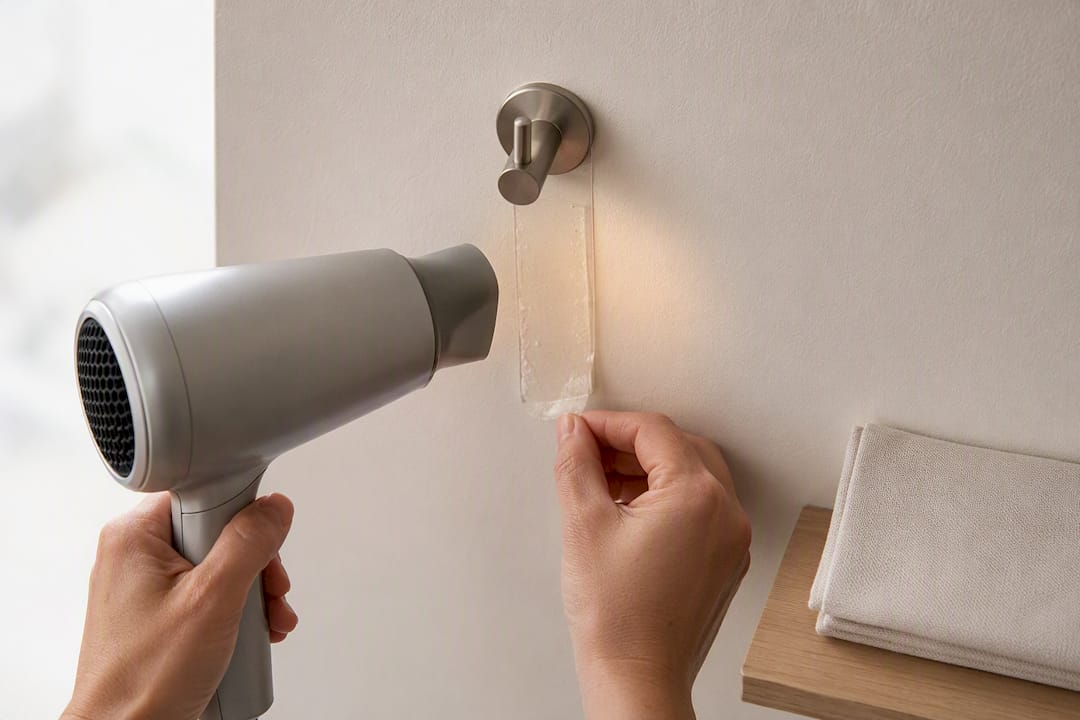
Pro Tip: When you move out, warm adhesive strips gently with a hair dryer for about 20 seconds before peeling. It softens the bond and keeps the paint on the wall instead of on the hook.
Decluttering Habits That Keep Small Spaces From Backsliding
Organizing a room once is easy. Keeping it that way for a year is the actual skill, and it’s built on habits, not one big weekend project.
- Sort. Pull everything out of a drawer, closet, or shelf and put it in one pile. You cannot organize what you cannot see.
- Decide. Every item gets one of three fates: keep, donate/sell, or trash. No “maybe” pile, that pile becomes permanent.
- Donate or sell within the week. Items that sit in a bag by the door for a month migrate back into circulation.
- Assign a home. Nothing goes back into storage without a specific spot. If it doesn’t have one, that’s a sign you don’t need it.
Layer in these recurring habits:
- A 5 to 10 minute nightly reset: dishes away, surfaces cleared, items back in their assigned spots.
- One-in, one-out for any non-consumable purchase, especially clothing and kitchen gadgets.
- A seasonal wardrobe audit, twice a year is enough, to catch the capsule wardrobe creeping back into overflow.
Print that four-step list and tape it inside a closet door. It sounds almost too simple to work, but the entire foundation of small-space storage comes down to giving every object a designated home and sticking to it.
What to Buy First: A Shopping Checklist for Small Spaces
Buy in this order: measurements, then one strategic furniture piece, then the small organizers. Reversing that order is how people end up with a drawer full of bins that don’t fit anywhere.
Before you order anything:
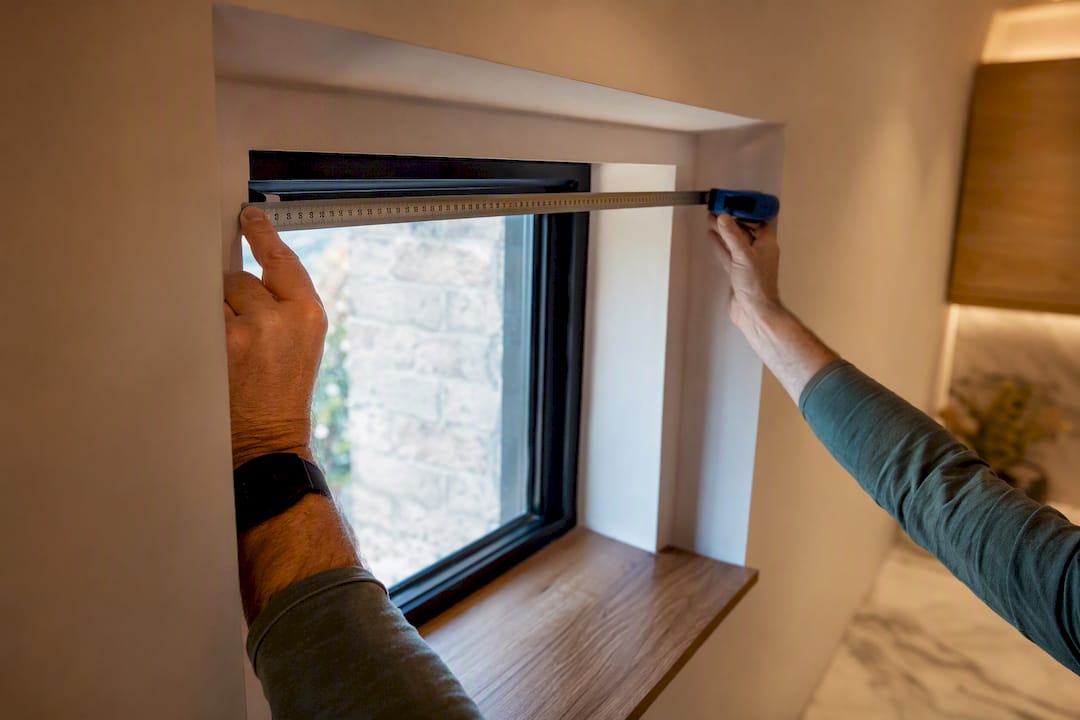
- Measure vertical clearance above cabinets, shelves, and closet rods, not just width and depth.
- Check door swing radius before buying anything that opens outward in a tight room.
- Measure under-bed height; standard bins need roughly 6 to 7 inches of clearance, and low bed frames often don’t have it.
Buy your one big piece, a storage bed, storage bench, or storage ottoman, before you splurge on a cart full of small organizers. It solves more volume in one purchase than a dozen bins combined.
Sizing rules worth following: leave an inch or two of breathing room on every shelf so items slide in and out without wedging. Choose stack-compatible bin sizes from a single product line rather than mixing brands, since mismatched bins waste shelf height. Wirecutter’s reviewers consistently point to shelf risers, back-of-door racks, and slim rolling carts as reliable, high-payoff categories worth prioritizing over novelty organizers.
How Value Blinds Helps You Make Small Spaces Feel Larger
Storage solves clutter. Light and sight lines solve the feeling of being boxed in, and that’s where window treatments do more work than most people expect. A bulky curtain rod and heavy drapery narrow a window’s visual footprint and block the natural light that makes a small room feel open. Choosing slim, light-filtering window coverings preserves both, which is exactly why it belongs on your organizing checklist, not just your decorating one.
This window treatment site built its resources around exactly this kind of decision-making:
- Measurement guides that walk you through window sizing so you order the right fit the first time, no returns, no guesswork.
- A design studio tool for visualizing colors and styles against your actual room before you commit.
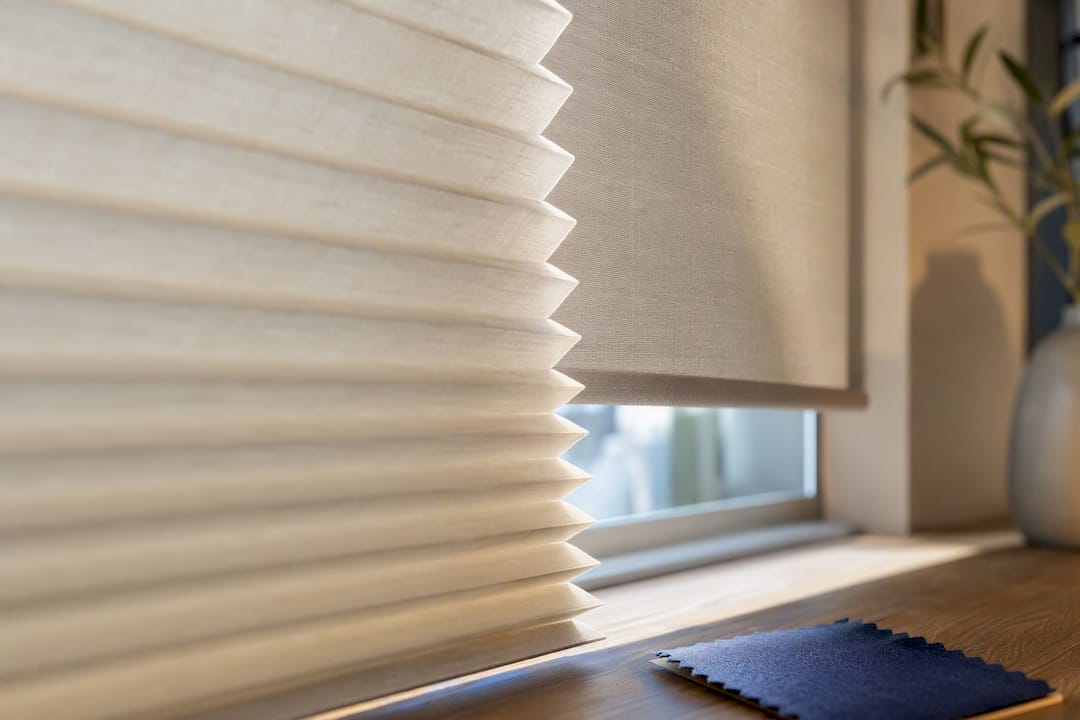
- Free fabric swatches, shipped to your door, so you can check light filtration and color against your walls in person.
- Energy calculators that show how certain shades affect heating and cooling, useful in small rooms where every degree and every dollar counts.
- Blog resources covering natural light strategies and small-apartment organization wins for readers who want more room-specific detail.
If you’re weighing a built-in closet system as part of your next step, a resource like One Day Doors & Closets’ organization systems is worth a look for turnkey installs.
A Small, Repeatable Way to Start Organizing Small Spaces
If you take one thing from this guide, make it this: pick one wall, install one vertical organizer, and remove three items you can see from your doorway. Not donate, not sort, remove them from the room entirely. Do that this week, then walk away from the rest of the house for a few days.
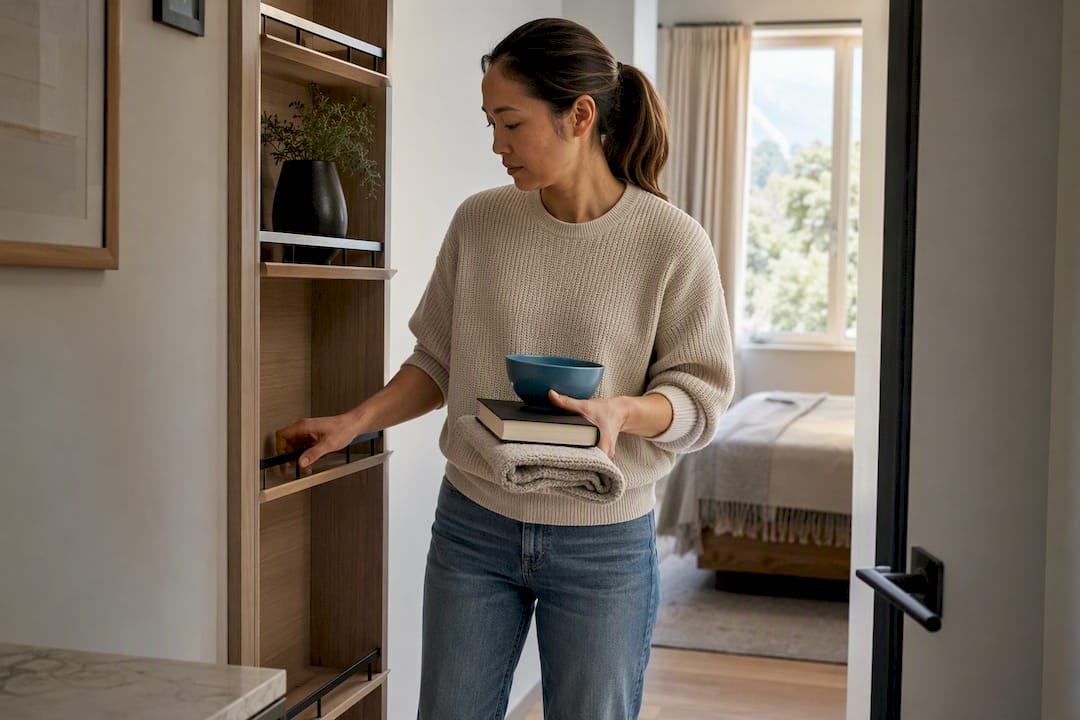
Most organizing advice pushes the full weekend makeover, empty every drawer, buy a cart of bins, photograph the “after.” That approach burns people out by Sunday afternoon, and by the following month, half of it has drifted back to where it started. Small, repeated changes stick because they don’t ask for a spare Saturday you don’t have.
Measure your progress by two things only: can you see clearly across the room, and how much usable surface do you have to work on? Everything else, the bins, the labels, the perfectly folded stack of towels, is decoration on top of those two numbers. If your sight lines are open and your counters are clear, you’re organized, even if the closet behind the door isn’t Instagram-ready yet.
Treat this as an ongoing project, not a finished one. Rooms change as your life does, and the system that worked for your apartment last year might need a tweak this year. That’s not failure. That’s just how small spaces work.
— Sunny
Window Treatments That Help Small Rooms Feel Bigger
Once your surfaces are clear and your storage is dialed in, your windows are the next lever, and they’re one most people skip. A slim-profile shade or vertical blind keeps the window frame visible instead of buried under fabric, which matters enormously in a room where every sight line counts. Cordless designs also remove the visual clutter of dangling cords, and light-filtering cellular shades let daylight spread across the room instead of pooling in one spot.
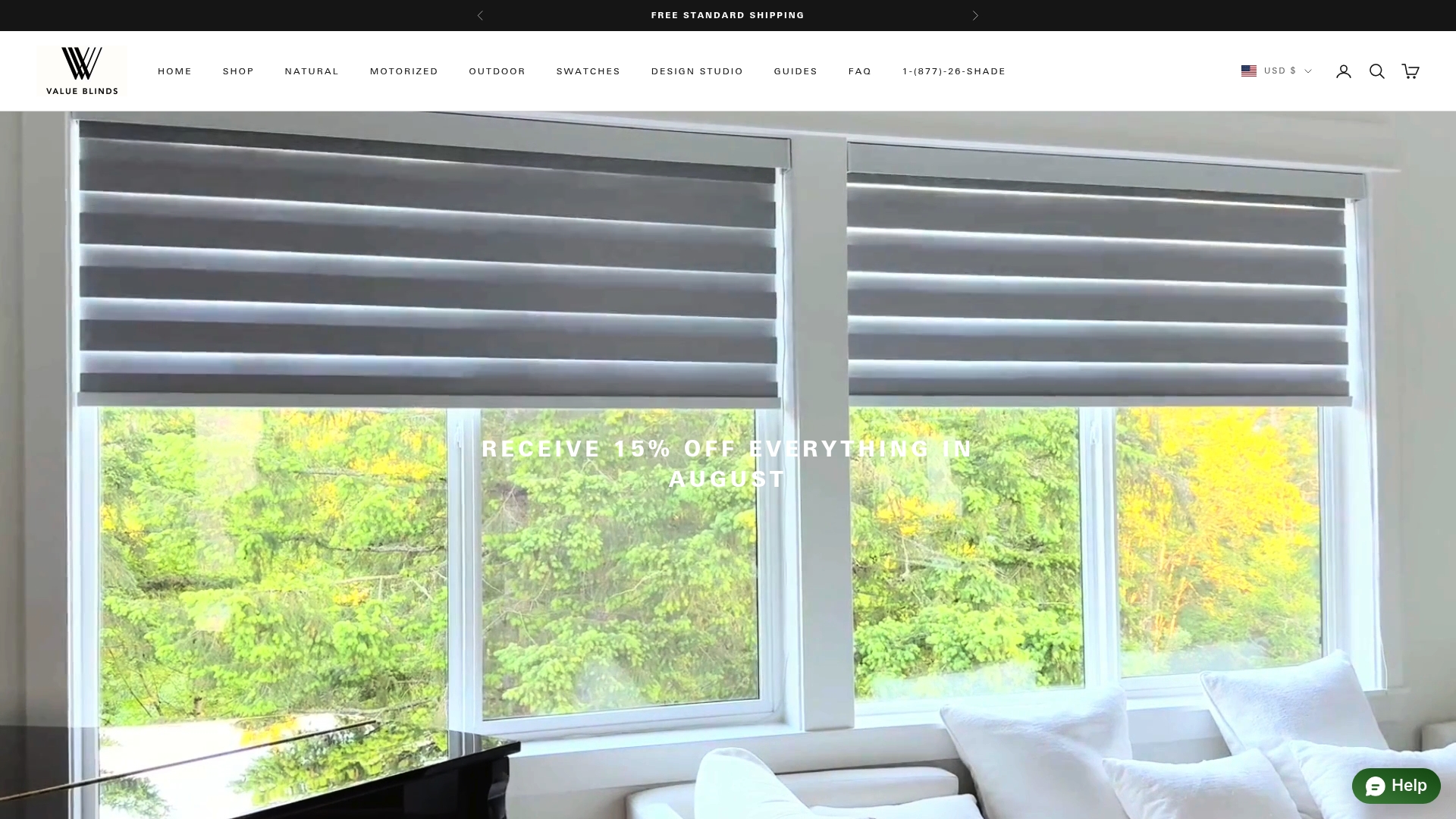
If you’re staring at a small bedroom or apartment window right now, wondering whether new treatments are worth it, they’re one of the few upgrades that improve both function and the feel of the room at once. Browse Valueblindsdirect’s full blinds collection to compare styles, or start with the vertical blinds line if slim sight lines are your priority. Not sure what size or style fits your window? The Window Treatment Design Studio walks you through measurements and design choices, and free swatches let you check light and color in your own room before you order. Pick your window, request your swatches, and get a shade that pulls its weight in a small room.
Sources
- 21 Small-Space Organizing Ideas to Get the Most Out of Every Room — BHG
- Storage ideas for small spaces — Architectural Digest
- Multifunctional furniture — Wikipedia
- 23 Excellent Organizers for Small Spaces | Reviews by Wirecutter
- Small space storage ideas — Apartment Therapy
Recommended
- Organizing Small Apartments: Quick Wins and Storage Ideas
- 7 Practical DIY Home Organization Tips for Homeowners
- 7 Smart Space Saving Furniture Ideas for Urban Apartments
- Window Treatments for Small Spaces: 2026 Style Guide

Value Blinds®
Trusted window treatments provider
Value Blinds® is a trusted provider of Greenguard, OEKO-TEX, and FSC-certified window treatments based in Portland, Oregon. Specializing in sustainable, motorized, smart-controlled, and outdoor-ready blinds and shades, the company is built on a foundation of simplified shopping, premium eco-friendly materials, and transparent pricing without the inflated cost.




,%20then%20pick%20furniture%20that%20pulls%20double%20duty.%20That%20order%20matters%20more%20than%20any%20product%20you%20buy.%20Start%20this%20weekend:%20clear%20o...)