

Custom Wood Blinds: Style, Durability, and Smart Choices
TL;DR:
- Custom wood blinds provide a precise fit and warm, natural aesthetic that enhances interior design. However, their insulative benefits are limited due to air gaps and humidity sensitivity, making them best suited for dry, decorative spaces. Proper installation, maintenance, and framing choices optimize their performance, with layered treatments improving energy efficiency.
Custom wood blinds are one of the most requested window treatments in residential design, and it’s easy to see why. They bring warmth, texture, and a timeless visual quality to nearly any room. But there’s a persistent myth that wood blinds are also energy-efficient insulators, and that belief leads many homeowners and decorators to make purchases they later second-guess. This guide cuts through the noise. You’ll learn the real material differences between wood and its alternatives, where real wood performs beautifully, where it falls short, and how to get the most from your investment in terms of both style and long-term function.
Table of Contents
- Why choose custom wood blinds?
- Custom wood blinds vs. faux wood and other materials
- How custom wood blinds perform for energy efficiency
- Installation and operational essentials for custom wood blinds
- A designer’s truth: What most people miss about custom wood blinds
- Find your perfect blinds match
- Frequently asked questions
Key Takeaways
| Point | Details |
|---|---|
| Custom fit advantages | Custom wood blinds offer precision looks and smooth operation when made and installed to fit your space exactly. |
| Material selection matters | Faux wood or cellular is a smarter choice in humid environments, while real wood excels in dry, style-focused rooms. |
| Insulation expectations | Wood blinds insulate moderately; cellular or blackout options give higher energy savings. |
| Installation precision | Proper installation and mechanism setup are critical to durability and satisfaction with custom wood blinds. |
Why choose custom wood blinds?
Custom wood blinds offer something that standard off-the-shelf window coverings simply cannot: a precise fit that works with your actual window dimensions. Poorly fitting blinds leave light gaps at the edges, create an uneven look on the wall, and fail to deliver the light control you’re paying for. When you order custom, you eliminate all of that.
Beyond the practical sizing advantage, wood delivers a visual warmth that synthetic materials have never fully replicated. The natural grain variation in each slat gives your windows a handcrafted, organic look that changes subtly with the light throughout the day. This is why solid wood blinds remain a top choice for living rooms, dining spaces, home offices, and bedrooms where style sets the tone.
Here are the core reasons homeowners and decorators consistently reach for custom wood blinds:
- Precise fit for every window size and shape, including non-standard and oversized windows
- Natural grain and color that adds warmth and depth to interiors without requiring additional decorative elements
- Staining and painting flexibility so the wood can match or complement any interior palette
- Longevity with proper care, since quality hardwood blinds can last a decade or more
- Smooth, satisfying operation when the mechanism is correctly installed
“A well-installed wood blind feels different from a mass-market alternative. The weight of the slats, the resistance of the tilt mechanism, the way they hold their position—it all communicates quality to anyone who touches them.”
On that point, smooth blind operation is not automatic. Wood-blind operation relies on a tilt mechanism and a ladder-string system that must be installed with correct alignment and spacing for smooth, consistent slat rotation. This is a detail that matters more than most buyers realize before their first installation experience.
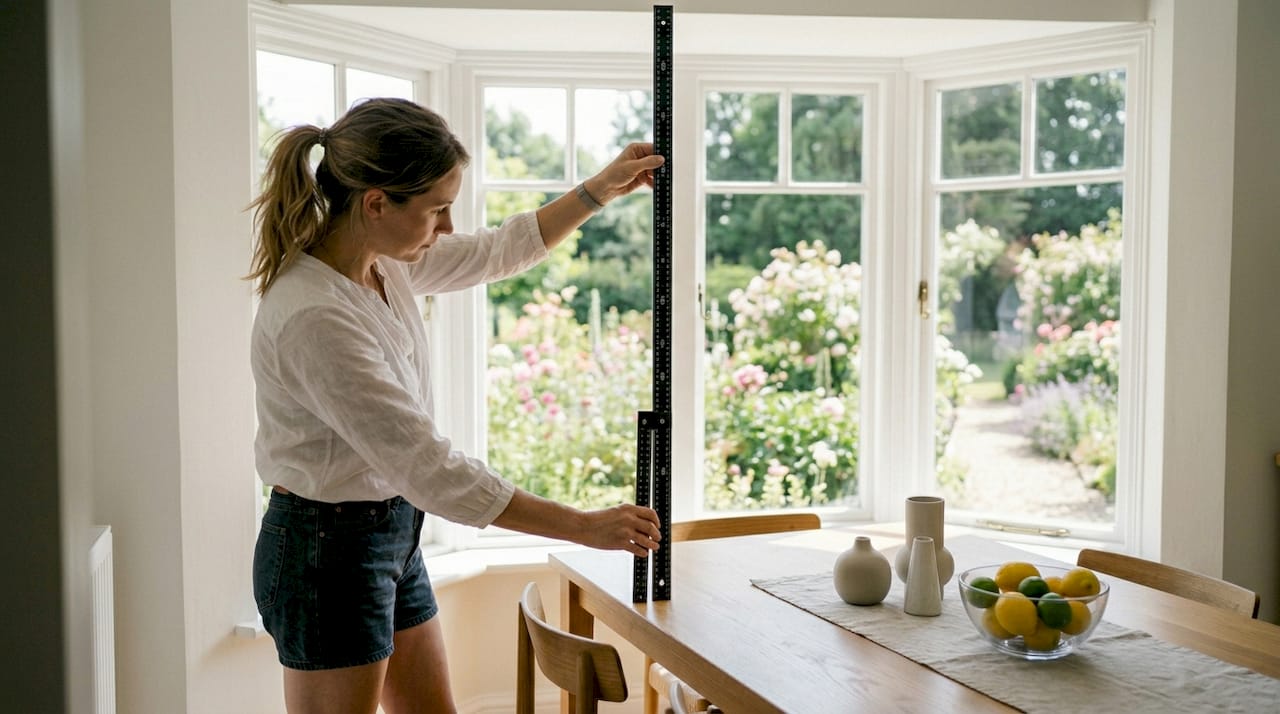
Pro Tip: When ordering custom wood blinds, always measure your window three times at different heights (top, middle, and bottom) and use the narrowest width to ensure the blind fits without binding inside the frame.
Custom wood blinds vs. faux wood and other materials
Real wood is not the right material for every window in your home. Understanding the differences between real wood, faux wood, cellular shades, and blackout options will save you from expensive mistakes and help you make a room-by-room decision that actually serves your lifestyle.
| Feature | Real wood blinds | Faux wood blinds | Cellular shades | Blackout shades |
|---|---|---|---|---|
| Visual warmth | Excellent | Good | Moderate | Low |
| Humidity resistance | Poor | Excellent | Good | Good |
| Insulation (R-value) | Low to moderate | Low to moderate | High | Moderate to high |
| Maintenance | Moderate | Easy | Easy | Easy |
| Cost | Higher | Moderate | Moderate | Moderate |
| Lifespan | Long (if dry) | Long | Moderate | Moderate |
The table makes one thing immediately clear: real wood and faux wood perform similarly for insulation, but faux wood wins convincingly in humid environments. High-humidity locations like bathrooms, kitchens near sinks, and laundry rooms are where real wood blinds most often underperform. Many experienced designers steer these spaces toward moisture-resistant alternatives, typically faux wood or cellular coverings. Warping is not a slow process either. In a steamy bathroom, real wood slats can begin to bow within months of installation, which ruins both the look and the smooth operation you paid for.
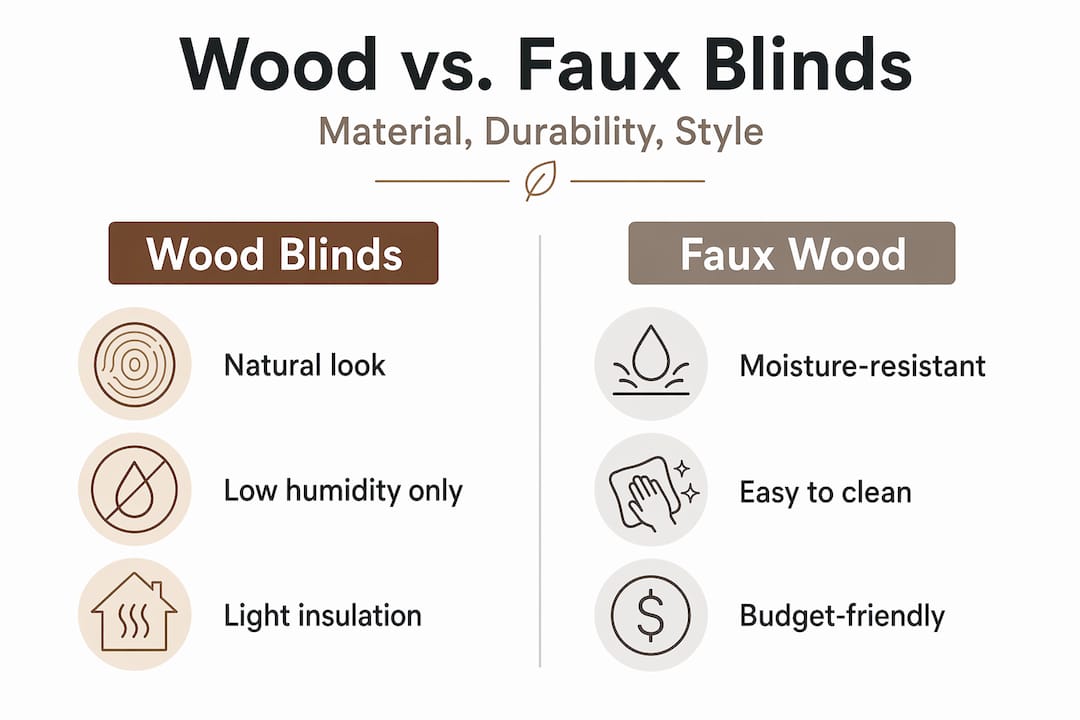
For a deeper look at how these materials compare in real homes, the guide on wood vs faux wood blinds covers practical scenarios that help clarify the choice. If you’ve already decided that faux is the smarter call for certain rooms, browsing faux wood blinds gives you a clear picture of what’s available in terms of color, finish, and sizing options.
Key situations where real wood is the better choice:
- Dry living areas where humidity is consistently controlled
- Formal dining rooms or studies where visual richness matters most
- Spaces with natural wood furniture, flooring, or architectural details that benefit from a matching material story
- Rooms where the blinds will be rarely adjusted and more decorative than functional
Pro Tip: If you want the look of wood in a bathroom or kitchen but need the durability of faux, choose a faux wood style with a realistic woodgrain emboss. From a few feet away, the difference is virtually undetectable.
How custom wood blinds perform for energy efficiency
This is where many buyers experience their biggest surprise. Custom wood blinds look like a serious window covering, so it seems reasonable to expect serious insulating benefits. The reality is more nuanced, and knowing it upfront helps you design smarter.
Wood blinds do provide some insulation benefit. The slats themselves slow the transfer of heat through a window to a degree, and closing them fully on cold nights or hot afternoons reduces direct solar gain or heat loss. But the gaps between slats, even when fully closed, allow air to move through. That air movement is exactly what insulation is supposed to prevent.
Here is how the main window covering types compare in terms of thermal performance:
| Window covering | Approximate R-value added | Best use case |
|---|---|---|
| No covering | 0 | N/A |
| Standard wood blinds | 0.2 to 0.4 | Style with modest efficiency |
| Faux wood blinds | 0.2 to 0.4 | Humid areas, modest efficiency |
| Cellular shades (single cell) | 1.0 to 2.0 | Daily energy savings |
| Cellular shades (double cell) | 2.0 to 3.5 | Maximum residential efficiency |
| Blackout roller shades | 0.5 to 1.0 | Light control and moderate savings |
R-value measures how well a material resists heat flow. A higher number means better insulation. The gap between wood blinds and cellular shades is significant, especially in climates with extreme summers or winters.
The practical takeaway from insulating blind performance data is direct: if you specify custom wood blinds for energy-efficiency goals, you may need to manage expectations. Wood slat leakage can limit insulating performance relative to cellular or honeycomb systems. You will get bigger thermal gains by selecting insulating constructions, such as cellular designs or blackout shades with thermal liners, and by ensuring a tight, professional fit.
Steps to maximize what efficiency custom wood blinds can provide:
- Order inside-mount blinds that sit snugly within the window frame, reducing edge gaps where air can infiltrate.
- Choose wider slats (2 to 2.5 inches) rather than narrow ones, since fewer gaps mean less air leakage.
- Close blinds fully at night in winter and during the hottest afternoon hours in summer to reduce radiant heat transfer.
- Pair wood blinds with a secondary treatment like a thermal curtain panel for rooms where both aesthetics and efficiency are priorities.
- Ensure proper installation so slats hang parallel and close tightly without buckling or bowing.
For a complete breakdown of how to approach energy efficient window treatments across your whole home, covering different rooms and climates is essential. Homeowners working in office or workspace environments will also find specific guidance on office energy-efficient window treatments helpful when balancing glare control with heat management. If you want a full checklist-style approach, these tips for energy-efficient window coverings walk you through the decisions in practical order.
Wood blinds are a style investment first. If energy performance is your primary goal, layering treatments or choosing cellular shades for key windows is the more direct path to measurable savings.
Installation and operational essentials for custom wood blinds
Even the most beautiful custom wood blind will frustrate you if it is installed incorrectly. The mechanism inside a wood blind is simple but precise, and getting it right on the first try makes years of daily use smooth and satisfying.

As noted earlier, the tilt mechanism and ladder-string system must be installed with correct alignment and spacing for consistent slat rotation. When the headrail is mounted even slightly out of level, the tilt rod binds, slats hang at uneven angles, and the cord becomes difficult to operate. These are fixable problems, but they are far easier to prevent than to correct after the blind is hung.
Follow these steps for a successful installation:
- Measure inside the frame at three heights and use the narrowest measurement for width. For depth, confirm your frame is deep enough for the chosen mount style.
- Mark bracket positions carefully, keeping them level with a small torpedo level before drilling any holes.
- Snap the headrail in firmly and test the tilt rod before securing anything permanently.
- Check cord alignment by raising and lowering the blind several times to ensure the lift cords run freely through each slat hole without catching.
- Install a cord cleat at a child-safe height and use it consistently to keep loops out of reach.
For ongoing care, a simple routine makes a real difference:
- Dust slats weekly with a microfiber cloth or duster, working from top to bottom
- Use a barely damp cloth for spot cleaning, never soaking the wood
- Avoid spraying cleaning products directly onto the slats
- Keep the blinds in the raised position during periods of high indoor humidity, such as cooking or showering nearby
- Inspect the ladder cords annually for fraying and replace them before they fail
Pro Tip: If a slat warps slightly over time, it can often be gently straightened by placing it on a flat surface and applying light, even pressure for 24 to 48 hours. Severely warped slats are best replaced individually rather than replacing the entire blind.
When you’re ready to shop wood blinds, look for options that include installation hardware, measurement guides, and responsive customer support. Having those resources at hand turns a potentially stressful project into a satisfying one.
A designer’s truth: What most people miss about custom wood blinds
Here is something that takes most people by surprise, even experienced decorators: the romance of real wood can quietly override practical judgment. We walk into a showroom or browse online, see that warm grain and rich finish, and immediately start imagining how it will transform a space. That emotional response is real and valid. But it can lead to choices that create headaches later.
The gap between expectation and reality tends to show up in three specific ways. First, warping from humidity catches people off guard even when they’ve been warned. They assume their kitchen or bathroom is “not that humid,” and then six months later the slats are bowing visibly. Second, maintenance demands feel minor until you’re dusting twelve windows weekly. Real wood requires consistent attention in a way that cellular or roller shades simply don’t. Third, and most commonly: buyers expect a noticeable drop in energy bills after installing wood blinds, and the results don’t match the expectation.
The smarter approach, one we’ve seen work beautifully in real homes, is to treat wood blinds as a style tool and select separately for efficiency. Use wood in your living room and bedroom for the warmth and character they deliver. Then choose a highly efficient cellular shade or blackout treatment for windows that face harsh afternoon sun or a cold northern exposure. This mixed-material strategy gives you the visual payoff of wood where it shines while letting purpose-built insulating products do the thermal heavy lifting.
There is also something worth saying about window treatment basics: the most enduring designs separate function from decoration rather than asking one product to do everything. Wood blinds are exceptional at what they do. They are not exceptional at everything. The designers and homeowners who get the most satisfaction from their purchases are the ones who accept that distinction early and plan accordingly.
Find your perfect blinds match
Ready to move from research to action? Value Blinds makes it simple to explore, customize, and order window treatments that fit your exact windows and your specific design goals. Whether you’ve decided real wood is right for your living spaces or you’re leaning toward faux wood for high-traffic humid rooms, the options are all in one place.
Start by browsing the full blinds selection to compare styles, materials, and price points side by side. If you’re already set on wood, go straight to shop custom wood blinds to see available species, finishes, and slat sizes. Not sure how to visualize the final look in your room? The window treatment design studio lets you experiment with options digitally before committing to a purchase. Free swatches, measurement guides, and expert support are available to make your decision as informed and confident as possible.
Frequently asked questions
Are custom wood blinds suitable for all rooms?
Custom wood blinds work best in dry areas like living rooms or bedrooms but may warp in high-humidity spaces like bathrooms or kitchens, where faux wood is the recommended alternative.
How do I clean custom wood blinds without damaging them?
Dust regularly and wipe gently with a barely damp cloth, avoiding soaking or harsh cleaners. Consistent care routines extend the lifespan of wood blinds significantly.
Do custom wood blinds help reduce energy bills?
They offer moderate insulation but are considerably less effective than cellular or blackout shades. Wood slat leakage limits their thermal performance compared to honeycomb or insulating constructions.
What’s the key to smooth operation of custom wood blinds?
Proper alignment of the tilt mechanism and cords during installation is the single most important factor for smooth, consistent slat rotation over the life of the blind.