
Electric Honeycomb Blinds: Benefits, Install, and Design
TL;DR:
- Electric honeycomb blinds are motorized cellular shades that improve energy efficiency with their insulating air pockets. Automated controls and smart scheduling help reduce heating and cooling costs while providing privacy and convenience. Proper installation, compatible smart home protocols, and consistent maintenance ensure optimal performance.
Electric honeycomb blinds are motorized cellular shades that combine a multi-layered fabric structure with automated controls to deliver superior insulation, privacy, and smart home convenience. The industry term is “motorized cellular shades,” though “electric honeycomb blinds” describes the same product accurately. Their air-filled cells trap heat in winter and block it in summer, making them one of the most energy-efficient window treatments available. Made-to-measure options fit windows up to 8 feet tall and 9 feet wide, and most homeowners order 3–8 shades for a single room, making this a considered purchase rather than an impulse buy.
How do electric honeycomb blinds improve energy efficiency?
Honeycomb cellular shades outperform traditional blinds on insulation because of their structure. Each shade contains one or more rows of hexagonal air pockets running the full height of the fabric. Those pockets act as a thermal buffer between the glass and the room. Honeycomb blinds reduce heating and cooling costs by significantly improving a window’s insulation value, and they also dampen outside noise as a secondary benefit.
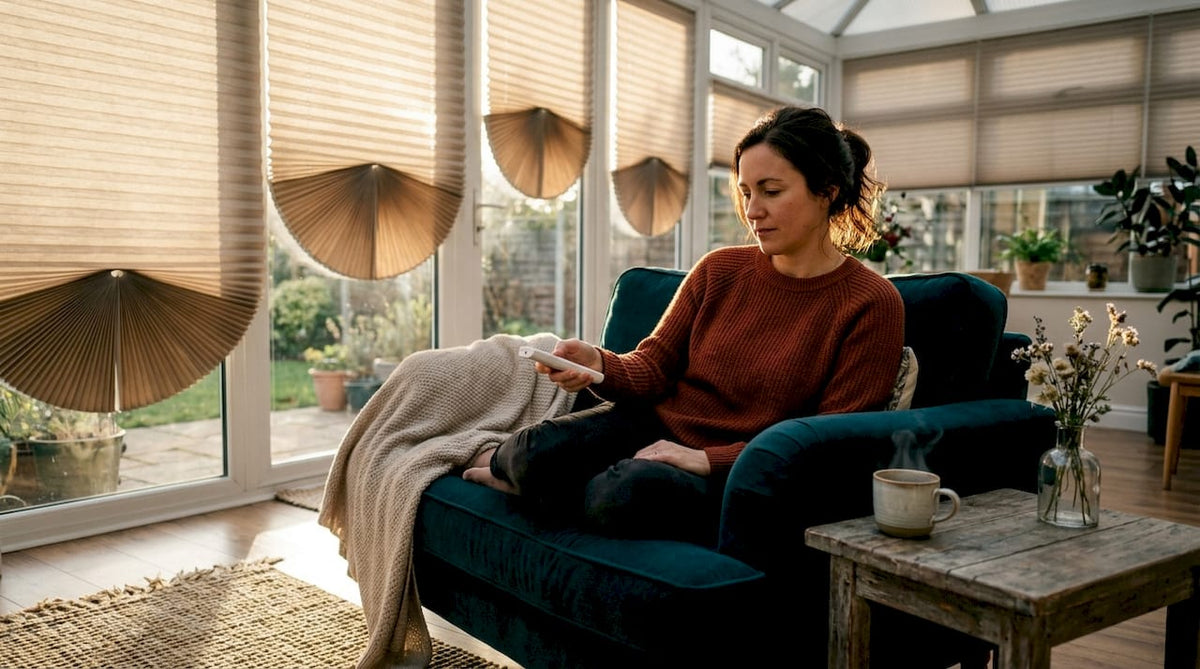
Motorization makes the energy savings practical rather than theoretical. A shade you never remember to close at 2:00 PM on a July afternoon does nothing for your cooling bill. Automated window shades solve this by running on a schedule tied to sunrise and sunset. Programming shades to natural light cycles improves energy savings and reduces the need for manual adjustments throughout the day.
Smart scheduling also handles the nuances that manual operation misses. You can set the shades to drop 50% at noon to cut glare without losing daylight, then close fully at dusk for privacy. Simon Hill at WIRED notes that motorized shades deliver practical energy conservation and automated privacy management, not just convenience. That combination of thermal performance and automation is why electric cellular shades have moved from a luxury upgrade to a practical home improvement.
Pro Tip: Pair your motorized honeycomb shades with a smart thermostat. When both devices share the same schedule, your HVAC system works less because the shades pre-condition the room before the temperature shifts.
What are the installation considerations for electric honeycomb blinds?
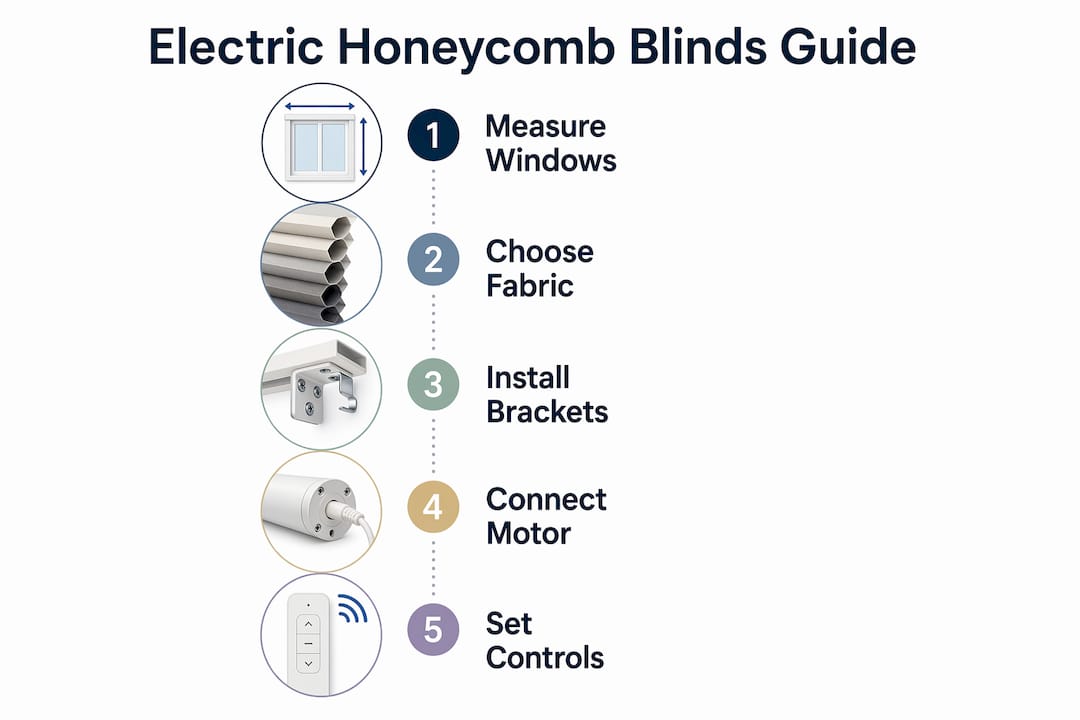
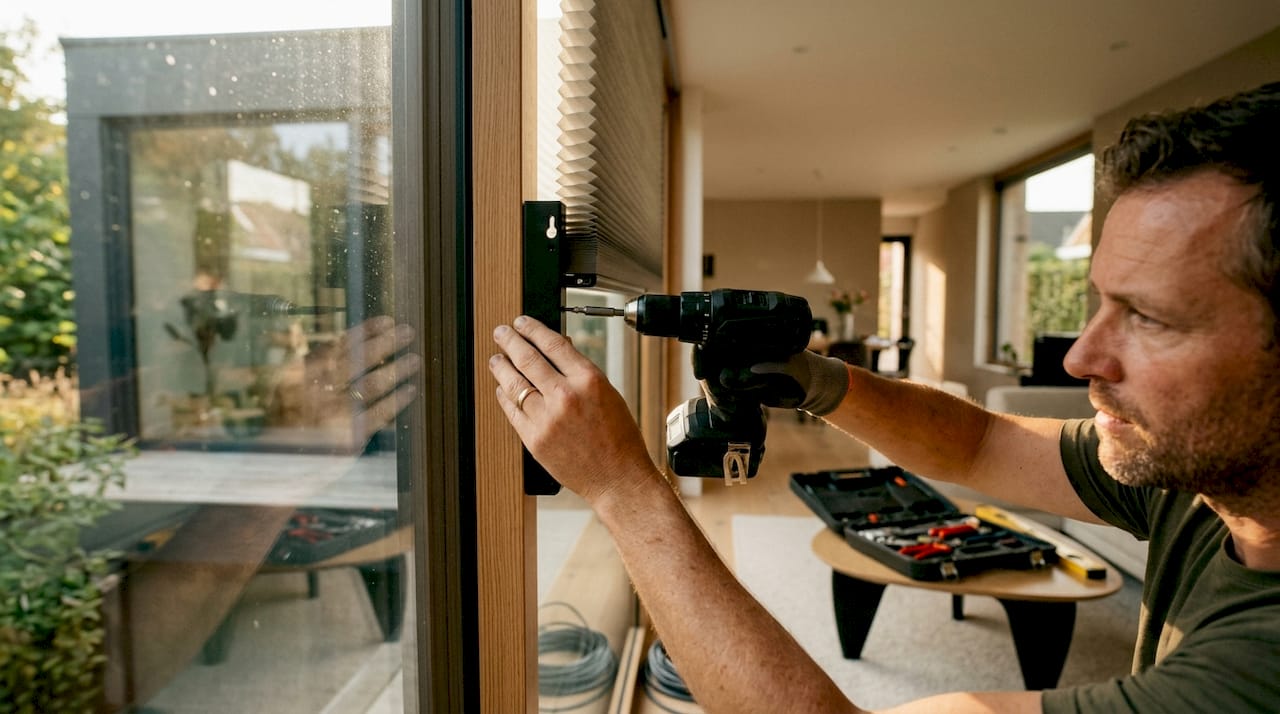
Installation is where most homeowners underestimate the project. A single window takes 20–30 minutes. A whole room with 5 or 6 windows takes most of a Saturday, and the margin for error compounds with each bracket.
Motor types and smart home protocols
The motor technology you choose determines how your shades connect to the rest of your home. Three protocols dominate the market in 2026:
- Matter-over-Thread: Matter-over-Thread motors allow hub-free integration with Apple Home, Amazon Alexa, Google Home, and Home Assistant. No bridge required, and latency is lower than older protocols. This is the easiest setup for most homeowners.
- Zigbee and Z-Wave: These protocols offer reliable mesh networking but require a compatible hub or bridge. They suit homeowners who already run a Zigbee or Z-Wave ecosystem and want to add shades to an existing setup.
- Wi-Fi direct: Some motors connect directly to your router without a hub. Setup is simple, but Wi-Fi motors can drain batteries faster and may struggle in homes with congested networks.
Battery, charging, and mounting
Battery-powered motors need recharging every 3–6 months unless the shade includes a solar panel add-on. Solar panels attach to the top rail and extend battery life significantly in sun-facing rooms. Magnetic valances cover the charging port while keeping the shade looking clean, and they snap off in seconds when you need to plug in.
Mounting precision matters more than most DIY guides admit. Accurate bracket alignment across multiple windows prevents motor misalignment and shade drift over time. Measure the inside mount depth before ordering. Most motorized cellular shades need at least 2.5 inches of depth for the headrail and motor to sit flush.
Pro Tip: Use a laser level when marking bracket positions across multiple windows in the same room. A 1/8-inch height difference between brackets is invisible to the eye but causes the shade to bind on one side after a few weeks of use.
For guidance on keeping your shades running well after installation, the motorized shade maintenance guide from Valueblindsdirect covers cleaning routines and motor upkeep in detail.
What design and control options exist for electric honeycomb blinds?
Fabric choice shapes both the look and the function of your shades. The three main categories are:
- Light filtering: Softens incoming light to a warm glow. Good for living rooms and kitchens where you want natural light without direct sun.
- Blackout: Blocks all light. The right choice for bedrooms, home theaters, and nurseries.
- Day/night dual-layer: Day/night designs combine two fabric layers in one shade, giving you light filtering during the day and blackout at night without swapping products.
Different opacity levels affect room ambiance and energy savings. A blackout cellular shade in a west-facing bedroom cuts afternoon heat gain more aggressively than a light-filtering option in the same window.
Control interfaces
Smart blinds for windows support multiple control methods, and most motorized systems let you use all of them simultaneously:
| Control method | How it works | Best for |
|---|---|---|
| Remote control | Handheld RF or IR remote | Rooms without a smart home hub |
| Mobile app | Scheduling, scenes, and manual control via smartphone | Homeowners who travel or work from home |
| Voice assistant | Amazon Alexa, Google Home, Apple HomeKit commands | Hands-free daily operation |
| Wall switch | Hardwired or battery-powered paddle switch | Replacing existing switch locations |
Voice assistants enhance accessibility and daily convenience for shade operation, particularly for homeowners with mobility limitations. Scheduling through an app adds another layer: you set a scene called “movie time” that closes every shade in the living room with one tap. For a deeper look at connecting shades to your ecosystem, the smart home integration guide from Valueblindsdirect walks through platform-specific setup steps.
How to choose and maintain electric honeycomb blinds for your home
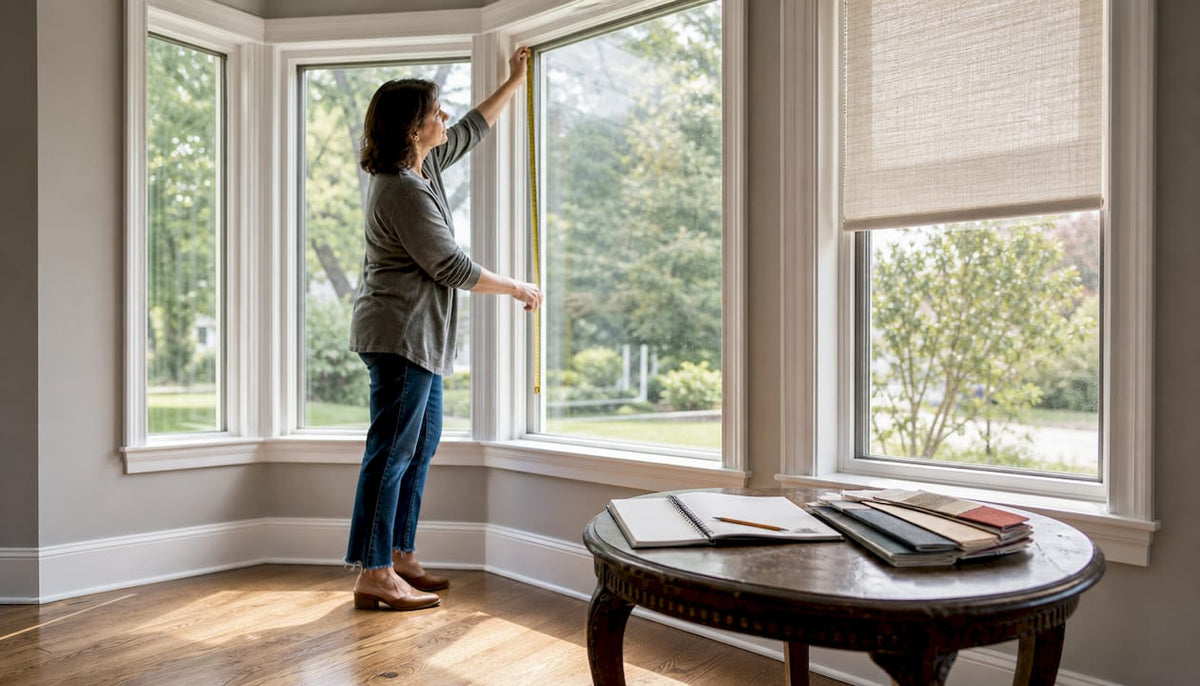
Start with your windows before you look at products. Measure width and height to the nearest 1/8 inch for inside mounts. Outside mounts are more forgiving, but inside mounts look cleaner and are standard for most motorized cellular shades.
Selecting the right product
Three criteria drive the right choice:
- Window size and count: Made-to-measure motorized honeycomb shades cost $160–$260 per window, with a typical room budget of $480–$2,080. Factor in the full room, not just one window.
- Usage pattern: A bedroom shade runs twice a day. A home office shade may cycle 6–8 times. High-cycle windows benefit from motors with higher duty ratings.
- Smart home ecosystem: Buy a motor protocol that matches what you already own. Adding a new hub just for shades adds cost and complexity.
Maintenance routines
Motorized cellular shades need less maintenance than most homeowners expect, but a few habits extend their life considerably.
Dust the fabric monthly with a soft brush attachment on a low-suction vacuum. Spot-clean stains with a damp cloth and mild soap. Never submerge the headrail or motor housing in water. Check the battery level every 3 months and recharge before it drops below 20%. A fully depleted battery can cause the motor to lose its position memory, which means you have to reset the upper and lower limits.
Pro Tip: Set a recurring calendar reminder every 90 days to check battery levels on all your motorized shades. Catching a low battery before it dies completely saves you from resetting motor limits, which takes 10–15 minutes per shade.
The remote-operated blinds energy savings article from Valueblindsdirect covers how consistent use of automated schedules translates directly to lower utility bills.
Key takeaways
Electric honeycomb blinds deliver the best return when you match motor protocol to your existing smart home ecosystem, order made-to-measure sizing, and maintain a consistent battery recharge schedule.
| Point | Details |
|---|---|
| Insulation advantage | Cellular air pockets reduce heating and cooling costs better than standard blinds. |
| Motor protocol matters | Matter-over-Thread offers hub-free setup; Zigbee and Z-Wave need a bridge. |
| Battery maintenance | Recharge every 3–6 months or add a solar panel to extend battery life. |
| Fabric drives function | Choose blackout for bedrooms, light filtering for living areas, and day/night for flexibility. |
| Budget for the full room | Expect $480–$2,080 for a 3–8 window room at made-to-measure pricing. |
What I’ve learned from installing motorized honeycomb shades in real homes
The biggest mistake I see homeowners make is buying the motor first and measuring second. Motorized cellular shades have tighter tolerances than manual shades because the motor housing adds bulk to the headrail. A window that fits a standard cordless shade may not have enough inside mount depth for a motorized version. Always confirm the minimum mount depth before you order.
The second mistake is choosing a motor protocol based on brand recognition rather than ecosystem fit. Matter-over-Thread is genuinely the easiest protocol for most people in 2026. But if your home already runs a mature Zigbee network with a capable hub, adding Zigbee shades is faster and cheaper than switching protocols. The best motor is the one that works with what you already have.
On aesthetics: I’ve seen homeowners pick a light-filtering fabric for a bedroom because it looks softer in the swatch, then regret it the first time a streetlight wakes them at 3:00 AM. Order blackout for any room where sleep quality matters. The fabric looks nearly identical from the street, and the difference inside is significant.
The future of automated window shades is tighter integration with HVAC systems. Shades that respond to thermostat readings rather than just time schedules will become standard within a few years. If you’re investing now, buy a system that supports open protocols like Matter so you can connect it to whatever comes next without replacing the hardware.
— Sunny
Motorized honeycomb shades from Valueblindsdirect
Valueblindsdirect offers a full range of motorized day and night cellular shades built for homeowners who want energy efficiency and clean design in one product. Every shade is made to measure, with fabric options spanning light filtering, blackout, and dual-layer day/night styles.
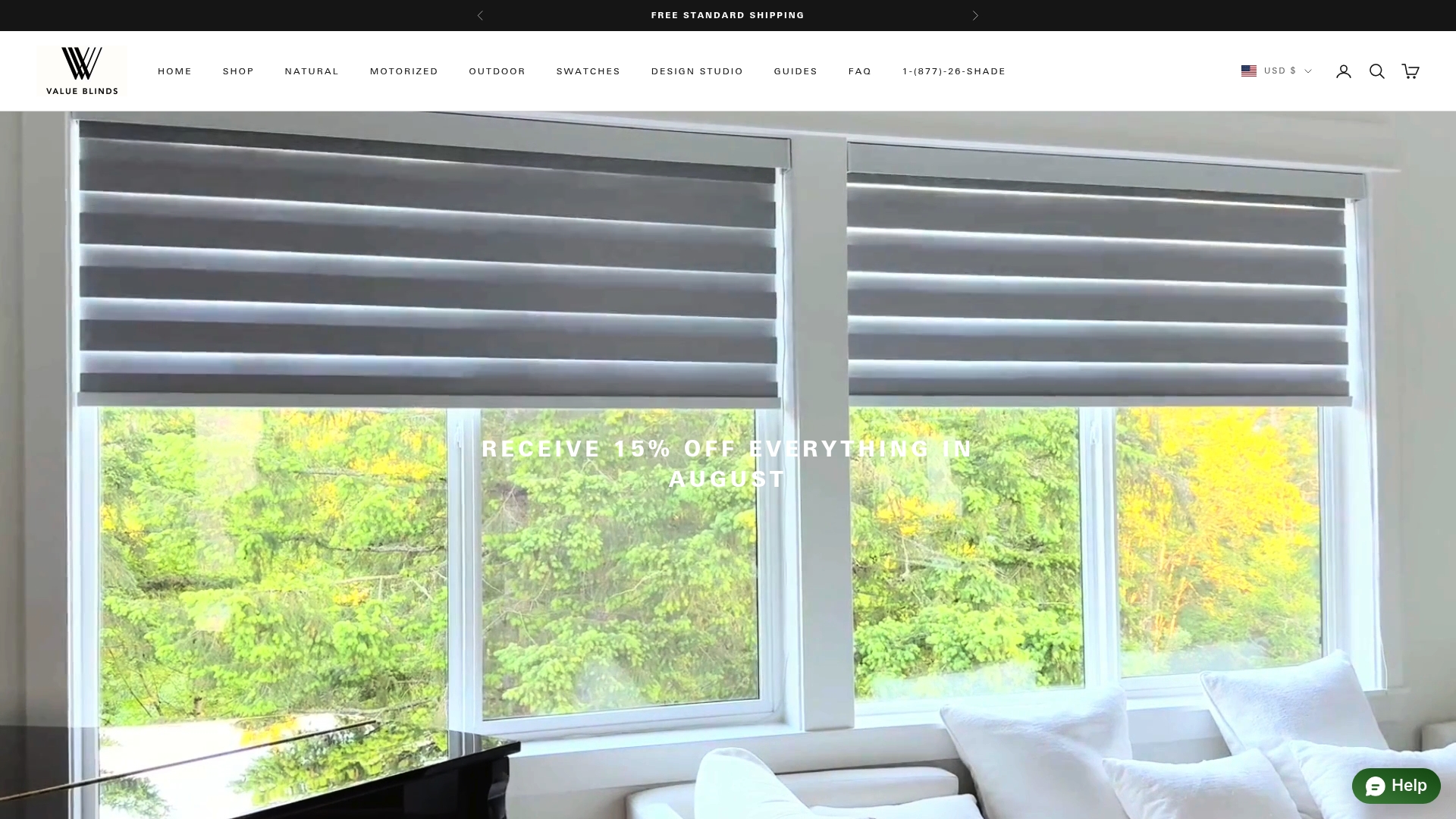
The Window Treatment Design Studio at Valueblindsdirect lets you configure width, height, fabric, opacity, and motorization type before you order. Free swatches are available so you can confirm color and texture against your walls before committing. Expert support is available throughout the process, and all motorized shades ship with installation hardware and step-by-step guides.
FAQ
What are electric honeycomb blinds?
Electric honeycomb blinds are motorized cellular shades with air-filled hexagonal pockets that insulate windows and connect to smart home systems for automated control. The cellular structure reduces heat transfer, and the motor replaces the pull cord with remote, app, or voice operation.
How much do motorized honeycomb shades cost?
Made-to-measure motorized honeycomb shades typically cost $160–$260 per window. A full room with 3–8 windows runs $480–$2,080 depending on size and fabric choice.
Do electric honeycomb blinds work with Alexa and Google Home?
Most motorized honeycomb shades support Amazon Alexa, Google Home, and Apple HomeKit through Wi-Fi, Zigbee, or Matter-over-Thread motors. Matter-over-Thread models connect without a hub, making setup the simplest of the three options.
How often do I need to recharge the battery?
Battery-powered motors need recharging every 3–6 months under normal use. Adding a solar panel to the headrail extends that interval significantly for windows that receive direct sunlight.
Can I install electric honeycomb blinds myself?
Most homeowners can install motorized cellular shades without professional help for single windows. Whole-room projects covering 3–8 windows require precise bracket alignment and more time. A laser level and careful measurement reduce the risk of motor misalignment.
Recommended
- Cellular Shades - Best Honeycomb Blinds
- Automatic Blinds: Transforming Homes with Style and Efficiency
- What Are Honeycomb Blinds? All You Need to Know
- Custom Blinds Benefits: Everything You Need to Know

Value Blinds®
Trusted window treatments provider
Value Blinds® is a trusted provider of Greenguard, OEKO-TEX, and FSC-certified window treatments based in Portland, Oregon. Specializing in sustainable, motorized, smart-controlled, and outdoor-ready blinds and shades, the company is built on a foundation of simplified shopping, premium eco-friendly materials, and transparent pricing without the inflated cost.