

Fabric Liner Options for Custom Shades Explained
Choosing the right liner is one of the most impactful decisions you’ll make when ordering custom window shades. The main fabric liner types are standard, blackout, interlining, bonded liner, and unlined. Each type changes how your shade looks, feels, and performs in a real room. Get this choice right, and your shades will control light beautifully, protect your fabric, and even help with your energy bills. Here’s a quick snapshot of what each liner does:
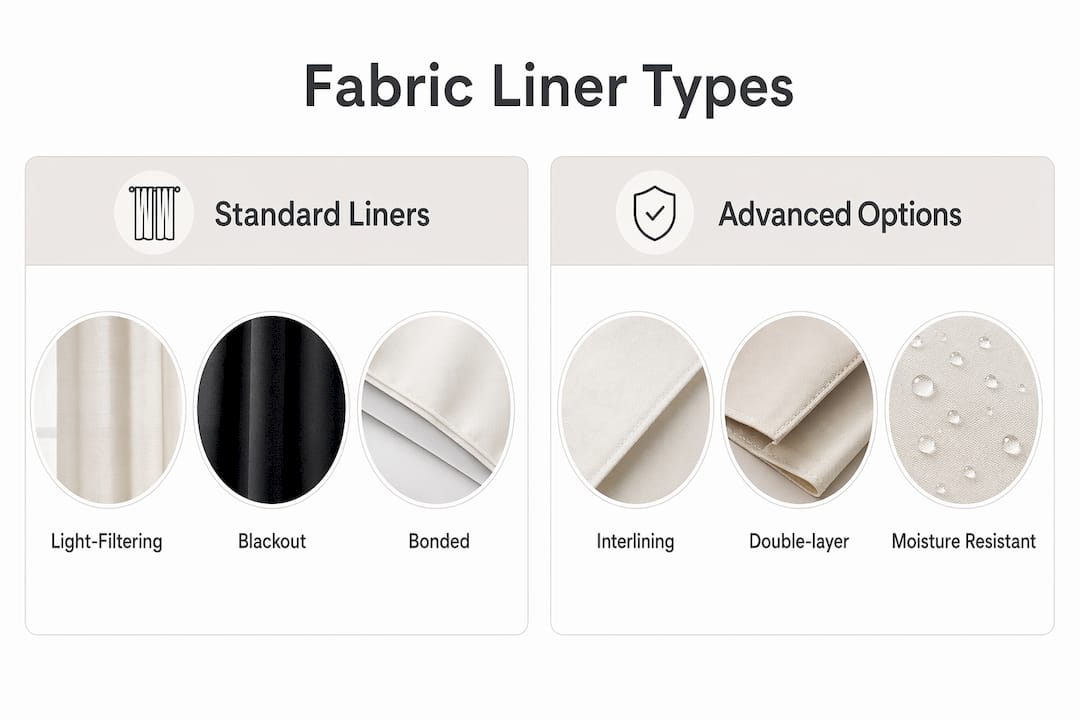
- Standard liner: Filters light softly, adds moderate privacy, and preserves the natural drape of your shade fabric
- Blackout liner: Blocks nearly all incoming light, making it the go-to for bedrooms and media rooms
- Interlining: A thick, flannel-like layer used mainly in luxury drapery to add weight, warmth, and sound absorption
- Bonded liner: A standard liner fused with a soft backing, adding body, structure, and extra thermal performance
- Unlined: No liner at all, best for sheers or decorative shades where light diffusion is the whole point
Understanding these options upfront saves you from a costly redo later.
What are the main types of fabric liners for custom shades?
Fabric liner options for custom shades span a wider range than most homeowners expect, and the differences go well beyond “light or dark.”
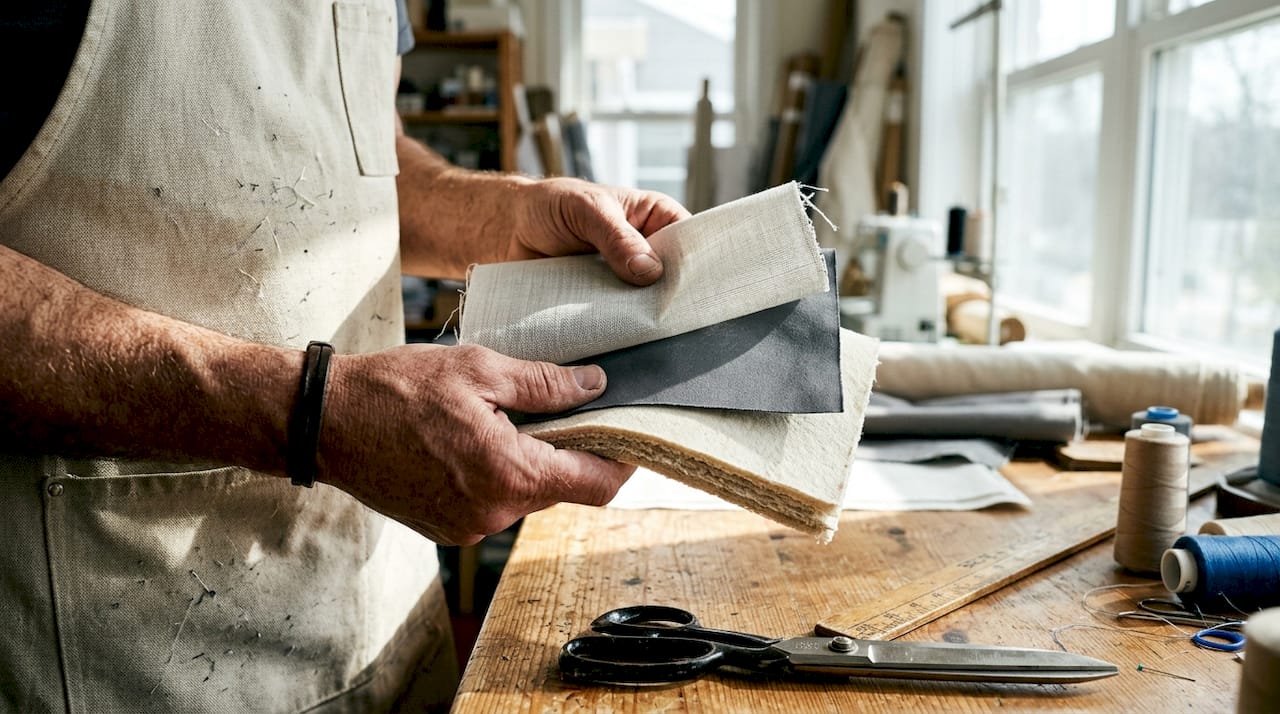
Standard light-filtering liners are the most popular starting point. They soften incoming sunlight, reduce glare, and give your shade a clean, finished look from both sides. The fabric stays soft and drapes naturally, which is why standard liners work beautifully with Roman shades, roller shades, and woven styles alike.
Blackout liners take light control to the extreme. They prevent almost all light penetration, which makes them ideal for bedrooms, nurseries, and home theaters where you genuinely need darkness. A blackout liner also adds a layer of privacy that a standard liner simply can’t match at night when interior lights are on.
Interlining is a different animal entirely. It’s a thick, soft layer sewn between the face fabric and the outer liner, used primarily in luxury drapery to add substantial weight, improve insulation, and absorb sound. For custom Roman shades, interlining is less common because it can make the fabric too stiff to fold cleanly. Bonded or double-layer liners are usually the smarter pick for shades.
Bonded liners are the upgrade most homeowners don’t know they need. A bonded liner fuses a standard liner with a soft backing into a single unit, adding real body and structure to your shade. The double-layer construction also traps air between the layers, which gives you some thermal benefit on top of better light control.
| Liner Type | Light Control | Insulation | Body Added | Best For |
|---|---|---|---|---|
| Unlined | Minimal | None | None | Sheers, decorative shades |
| Standard light-filtering | Moderate | Low | Slight | Living rooms, dining rooms |
| Bonded light-filtering | Moderate-high | Moderate | Good | Roman shades, roller shades |
| Standard blackout | Near-total | Moderate | Moderate | Bedrooms, nurseries |
| Bonded blackout | Near-total | Higher | Substantial | Bedrooms, media rooms |
| Interlining | Varies | High | High | Luxury drapery only |
One compatibility note worth keeping in mind: bonded liners aren’t suitable for sheer fabrics. The added weight and structure work against the delicate, airy quality that makes sheers appealing in the first place.
Why adding a liner to your custom shades is worth it
A liner isn’t just a backing. It’s doing real work every single day your shades are hanging. Here’s what you actually gain:
- Privacy: A liner thickens the shade fabric, making it much harder for people outside to see silhouettes through your windows at night
- Light control: Even a standard liner cuts glare noticeably, protecting your eyes and your furniture from harsh afternoon sun
- Fabric protection: Linings shield the face fabric from UV exposure, preventing fading and stretching that would otherwise shorten the life of your shades
- Thermal insulation: Lined shades reduce heat loss in winter and limit heat gain in summer, which can lower your energy costs over time
- Sound absorption: Thicker liners, especially interlining and bonded options, dampen outside noise and reduce echo inside the room
- Sleep quality: Blackout liners block light that disrupts your body’s natural sleep cycle, which is especially helpful for shift workers or light-sensitive sleepers
The privacy and sleep benefits often surprise homeowners who originally ordered a liner just for aesthetics. Once you experience a properly lined shade in a bedroom, going back to an unlined option feels like a real downgrade.
Pro Tip: If you want thermal benefits without adding bulk, a bonded light-filtering liner is your best bet. It traps air between its two layers without making your shade feel heavy or stiff.
How do you choose the right fabric liner for your room?
The best liner for your custom shade depends on three things: what the room needs, what your face fabric can handle, and what you want the shade to look like. Work through these questions before you order.
Start with the room’s function. A bedroom almost always calls for a blackout or bonded blackout liner. A living room or kitchen usually does better with a standard or bonded light-filtering option that lets in some natural light while cutting glare. For a home office, consider how much screen glare bothers you during the day.
Match the liner to your fabric. Heavier face fabrics like linen or cotton can carry a bonded liner without any problem. Lighter or sheer fabrics need a standard liner at most, and many look best completely unlined. Check with your shade supplier before pairing a heavy liner with a delicate fabric.
Think about maintenance. Most fabric liners can be spot-cleaned, and many are machine washable on a gentle cycle. Bonded liners require a little more care because the fused layers can separate if exposed to high heat. Always check the care label before washing.
Consider environmental and health factors. Some liner fabrics carry certifications like GREENGUARD, which confirms low chemical emissions. Lead-free and PVC-free options are worth seeking out, especially for children’s rooms or spaces where air quality matters to you.
Here are a few common questions homeowners ask when picking a liner:
Can I add a liner to an existing shade? In most cases, no. Liners are typically sewn or bonded into the shade during manufacturing. If you want a liner, specify it when you order your custom window shades.
Will a blackout liner make my shade look different from the outside? Yes, slightly. Blackout liners are usually white or off-white on the exterior-facing side, which gives your home a uniform look from the street regardless of your interior fabric color.
Do liners affect how the shade rolls or folds? They can. Bonded and blackout liners add stiffness, which is actually a good thing for Roman shades because it helps them fold crisp and even. For roller shades, a thicker liner increases the roll diameter slightly, so factor that in if you have a shallow window recess.
Advanced liner options that take your shades to the next level
Once you move past the standard choices, there are a few upgrades that genuinely deliver better performance, not just a higher price tag.
Bonded liners with soft backing are the most practical premium option for most homeowners. The soft backing faces the room, not the window. This orientation keeps moisture from getting trapped between the layers, which prevents condensation damage and extends the liner’s life considerably. If you install a bonded liner with the soft side facing the glass, you risk delamination over time, especially in humid rooms like kitchens or bathrooms.
Double-layer liner systems take the bonded concept further by using two distinct fabric layers that work together to reduce light transmission and add body. These are popular for Roman shades where a crisp, structured fold is part of the aesthetic. The extra layer also improves noise reduction noticeably in rooms facing busy streets.
Interlining as a luxury upgrade makes the most sense for floor-to-ceiling drapery panels where weight and drape are everything. For custom Roman shades, the added bulk usually creates more problems than it solves, since the thick flannel layer can prevent clean folding. Stick with bonded options for shades and save interlining for your drapery panels.
Pro Tip: For rooms with high humidity, always choose a liner rated for moisture resistance and make sure the soft backing of any bonded liner faces the interior. This single step prevents the most common liner failure homeowners experience.
Maintenance for advanced liners is straightforward if you follow a few rules. Spot-clean first whenever possible. If the shade needs a full wash, use cold water and a gentle cycle, and never put a bonded liner in a hot dryer. Lay it flat or hang it to dry to keep the layers bonded and the fabric smooth.
Pairing the right liner with the right light filtering treatment makes a bigger difference than most people expect. It’s one of those details that separates a shade that just covers a window from one that genuinely improves your home.
Ready to find your perfect custom shade?
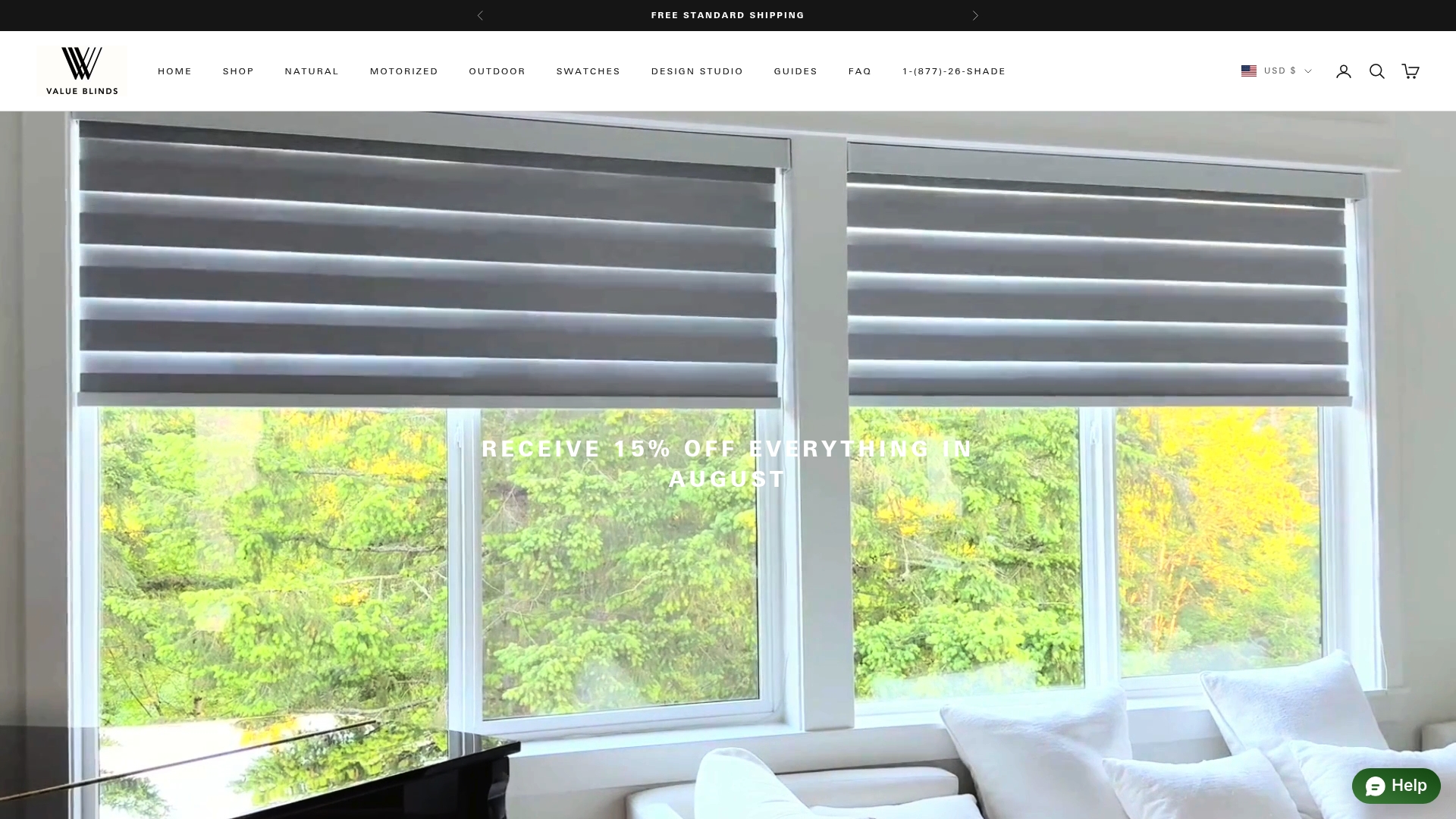
Picking the right liner is so much easier when you can see and feel the fabric options before you commit. Valueblindsdirect makes that simple with free fabric swatches, expert support, and a full Window Treatment Design Studio where you can customize every detail of your shade, including liner type, fabric, and size. Browse the full collection of premium custom shades and build the window treatment your home deserves.
Key Takeaways
Choosing the right fabric liner transforms a basic window shade into a high-performing, long-lasting treatment that controls light, saves energy, and protects your fabric investment.
| Point | Details |
|---|---|
| Five liner types available | Standard, bonded, bonded blackout, blackout, interlining, and unlined each offer distinct light control and body. |
| Bonded liners add structure | The double-layer construction traps air, improving thermal performance without excessive bulk. |
| Blackout liners suit bedrooms | They block nearly all light, supporting sleep quality and maximum privacy. |
| Liner orientation matters | The soft backing of a bonded liner must face the room to prevent condensation damage. |
| Fabric compatibility is key | Bonded liners are not suitable for sheer fabrics; always match liner weight to face fabric type. |