
How to Measure Windows for Roman Shades: DIY Guide
TL;DR:
- Accurate measurement is essential when ordering custom Roman shades to avoid binding and light gaps.
- Use a steel tape measure and record three readings at each dimension, always choosing the smallest measurement.
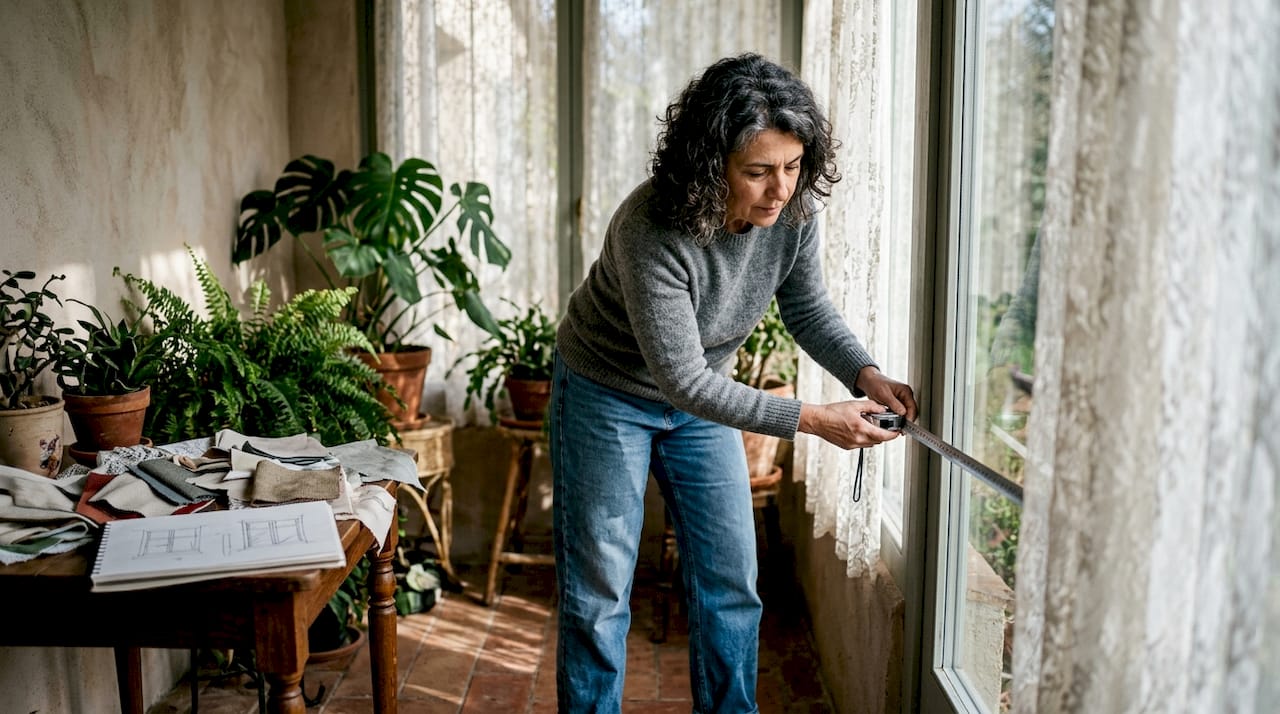
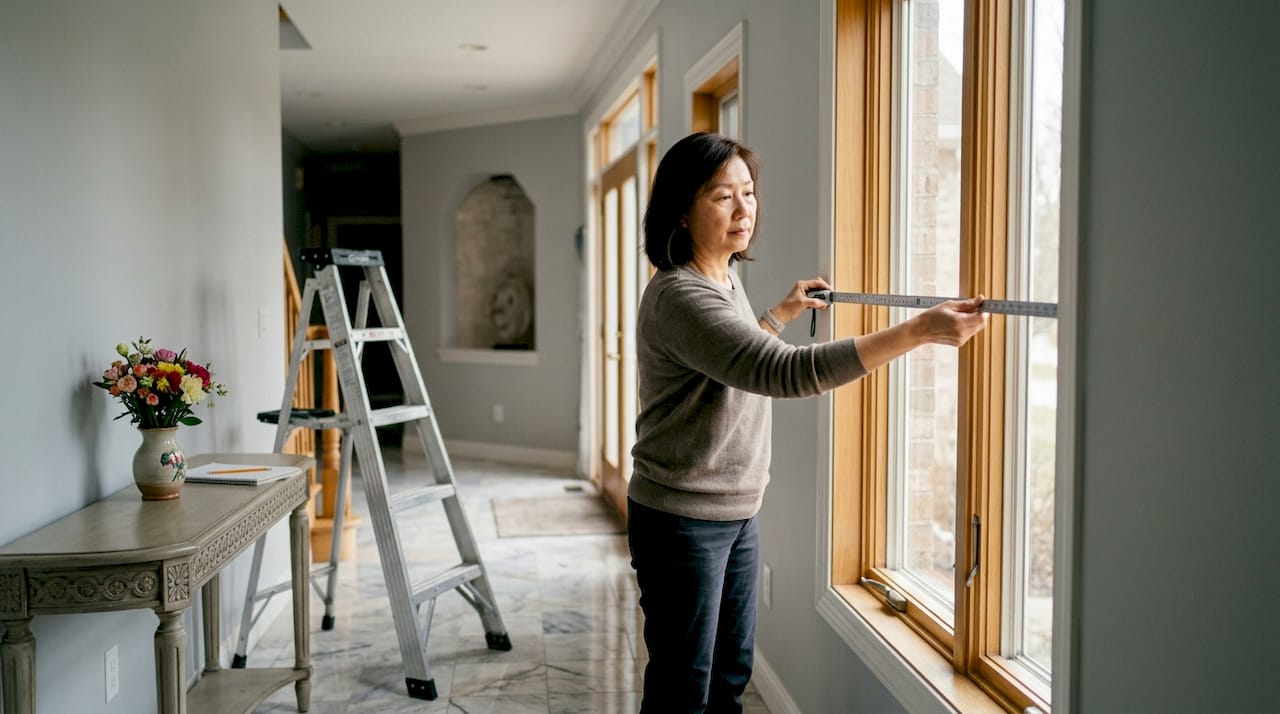
Accurate measuring is the single most important step when ordering custom Roman shades. Get it wrong by even a quarter inch, and you end up with shades that bind inside the frame, leave light gaps on the sides, or simply cannot be installed. This guide walks you through exactly how to measure windows for Roman shades, covering both inside and outside mount options, the tools you need, and the mistakes that cost homeowners money every year.
What tools do you need before measuring?
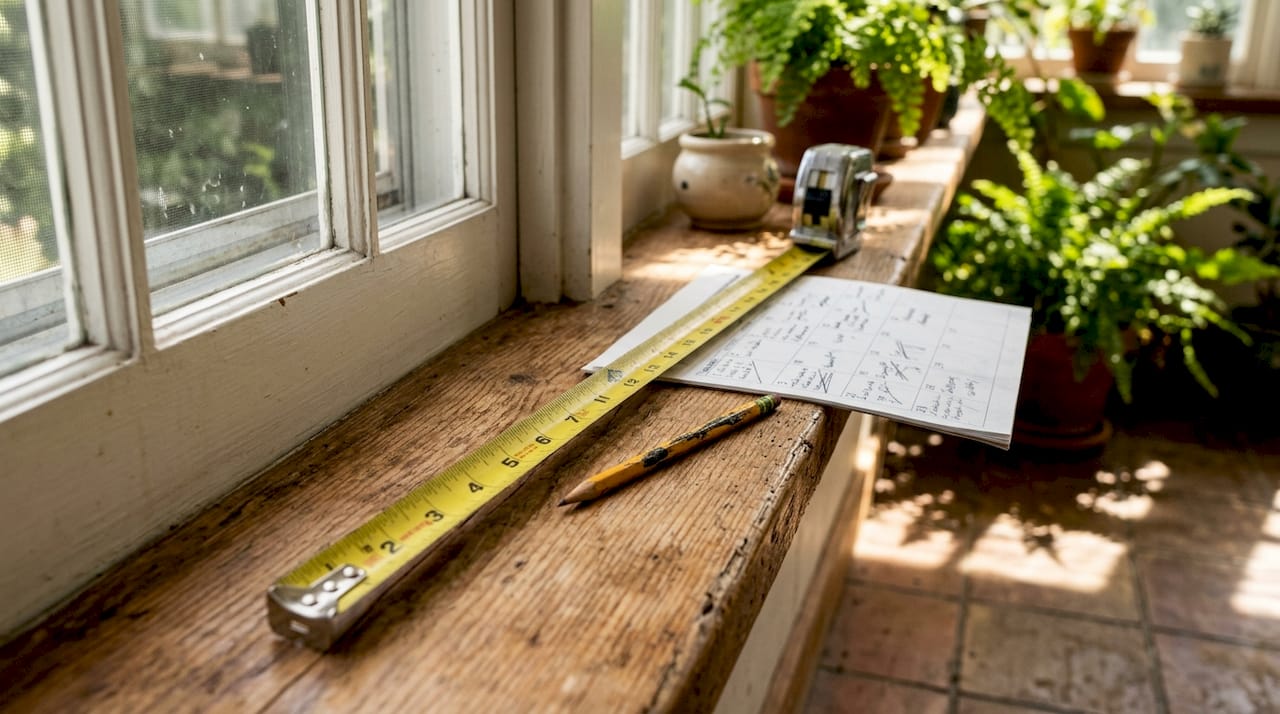
The right tools make the difference between a shade that fits and one that gets returned. A steel tape measure is the only acceptable tool for this job. Cloth tapes stretch and flex, introducing errors of a quarter inch or more that ruin a custom fit. Steel tapes hold their shape across the full span of the window.
Beyond the tape measure, gather these before you start:
- Steel tape measure (at least 10 feet long)
- Pencil and notepad for recording each measurement immediately
- Ladder or step stool for reaching the top of tall windows
- Level to check whether your window frame is plumb
Clean the window frame before measuring. Dust, paint buildup, or debris along the sill can throw off your readings by a small but meaningful amount. Check that the window opens and closes freely before you commit to an inside mount.
Pro Tip: Always measure in inches, not centimeters, when ordering from American window treatment retailers. Mixing units is one of the most common ordering errors.
How do you measure for inside-mount Roman shades?
Inside mount is the cleaner look. The shade sits inside the window recess, flush with the frame, giving the window a built-in appearance. Getting the measurements right for this style requires more care than outside mount because the shade must fit within a fixed space.
Check your window depth first
A minimum window depth of about 1.5 inches is required for inside mounting Roman shades. Measure from the front of the frame to the glass or the window stop. If your depth falls short, inside mount will not work and you need to go with outside mount instead.
Also check whether your windows open inward. Inside-mount Roman shades are not recommended on inward-opening windows because the headrail sits inside the frame and physically blocks the window from swinging open. Outside mount is the correct choice in that situation.
Step-by-step inside mount width measurement
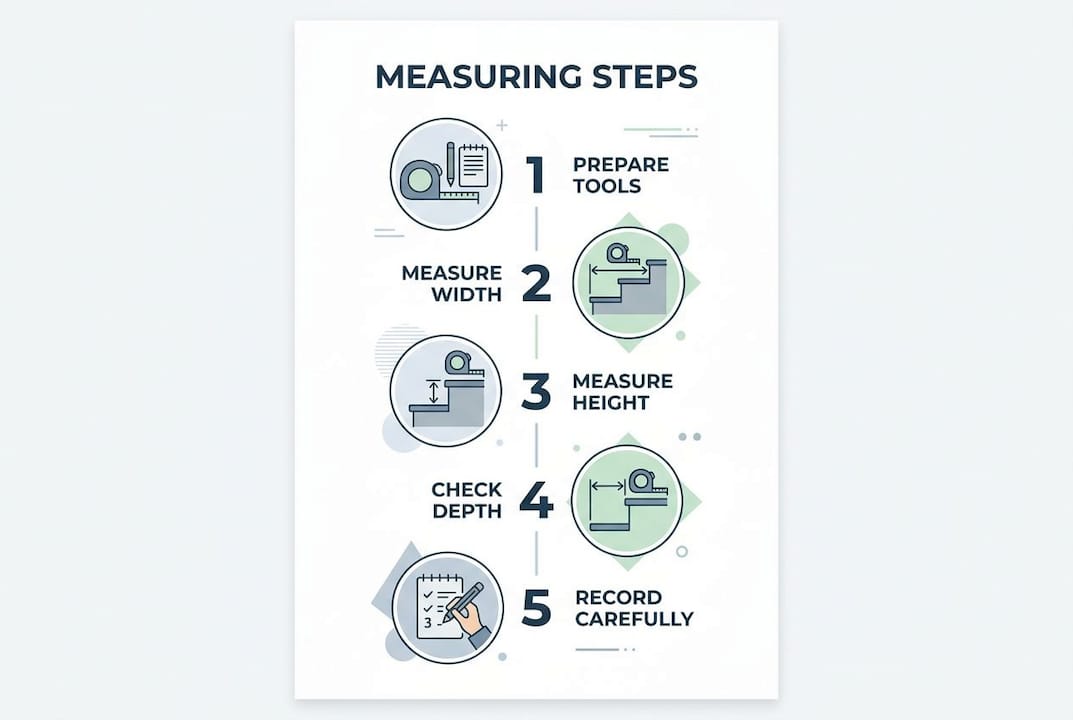
- Measure the width of the window opening at the top, middle, and bottom.
- Use the smallest of the three measurements and round it down to the nearest eighth of an inch.
- Record that number as your finished width. Most manufacturers apply their own deduction to allow the shade to operate without binding.
Step-by-step inside mount height measurement
- Measure the height of the window opening at the left side, center, and right side.
- Use the smallest of the three height measurements.
- Record from the top of the opening down to the sill.
Pro Tip: Do not subtract anything from your height measurement for inside mounts. The manufacturer handles the deduction. Submit the exact opening size.
Windows are rarely perfectly square. Measuring at multiple points accounts for uneven frames and prevents the shade from jamming or sitting crooked after installation. Taking three readings takes two extra minutes and saves you from a costly reorder.
How do you measure for outside-mount Roman shades?
Outside mount gives you more flexibility. The shade mounts on the wall or on the face of the window frame, covering the entire window opening and then some. This style works on any window, regardless of depth, and it is the right call for inward-opening windows.
Step-by-step outside mount width measurement
- Measure the full width of the window frame from outside edge to outside edge.
- Add 2–4 inches on each side beyond the frame to minimize light gaps and improve coverage.
- Your total width is the frame width plus the overhang on both sides.
Step-by-step outside mount height measurement
- Measure from where you plan to mount the headrail down to where you want the shade to end (typically the sill or just below it).
- Add about 10–12 inches above the window opening to your total height. This extra length lets the shade stack up fully when raised without blocking the glass.
- Record the total from the top of the mounting point to the bottom of the coverage area.
Outside mount shades offer a few practical advantages worth knowing:
- They cover more of the wall around the window, which makes the window look larger.
- They block more light because the fabric extends past the frame on all sides.
- They work on windows with shallow sills or obstructions inside the frame, such as handles or cranks.
- They are easier to install because you are not working inside a tight recess.
For a broader look at window treatment sizing beyond Roman shades, the same overhang principles apply to roller shades and cellular shades as well.
What are the most common measuring mistakes to avoid?
Measuring mistakes cause light gaps, binding, and unusable shades that require costly reorders. Most errors fall into a short list of repeatable patterns.
| Common mistake | Recommended practice |
|---|---|
| Using a cloth or flexible tape measure | Use a rigid steel tape measure only |
| Taking only one width measurement | Measure at top, middle, and bottom; use the smallest |
| Ignoring window depth for inside mounts | Confirm at least 1.5 inches of depth before ordering |
| Forgetting to check for inward-opening windows | Test window operation before choosing inside mount |
| Rounding measurements up instead of down | Always round down to the nearest eighth of an inch |
| Skipping the overhang on outside mounts | Add 2–4 inches per side for width, 10–12 inches above for height |
Pro Tip: After you record all measurements, step back and verify that your numbers match what you see visually. A 36-inch width on a window that looks closer to 30 inches is a red flag worth rechecking.
Non-square windows are more common than most homeowners expect. Older homes especially tend to have frames that have shifted over time. When your three width readings differ by more than half an inch, note the discrepancy and contact the manufacturer before ordering. Some custom shade makers can accommodate slight variations, but only if you flag the issue upfront. You can also review Valueblindsdirect’s step-by-step measuring guide for additional guidance on handling tricky window situations.
Key Takeaways
Accurate measuring for Roman shades requires a steel tape measure, three readings per dimension, and the smallest width measurement for inside mounts.
| Point | Details |
|---|---|
| Steel tape is non-negotiable | Cloth tapes introduce errors of a quarter inch or more, ruining custom fit. |
| Inside mount needs 1.5 inches of depth | Confirm window depth before choosing inside mount or the shade will not install. |
| Use the smallest width measurement | Taking three readings and using the smallest prevents binding in the frame. |
| Outside mount needs overhang | Add 2–4 inches per side in width and 10–12 inches above for proper coverage. |
| Inward-opening windows need outside mount | Inside mount headrails block inward-opening windows from functioning. |
What I have learned from measuring hundreds of windows
Measuring windows sounds simple until you do it on a window that is 15 years old and slightly out of square. My honest take is that most homeowners rush this step. They grab whatever tape is in the junk drawer, take one measurement, and call it done. That approach works fine for hanging a picture frame. It does not work for custom shades.
The single habit that has saved me the most headaches is writing down every measurement immediately after taking it, including the location (top, middle, bottom). Memory is unreliable when you are moving from room to room. A notepad costs nothing and eliminates the “I think it was 34 and a half” problem entirely.
Tricky windows, like bay windows, arched tops, or windows with deep sills and interior cranks, deserve extra time. For bay windows, treat each panel as a separate window and measure each one independently. Do not assume they are all the same width. They almost never are.
My last piece of advice: if you measure and something feels off, measure again. A five-minute recheck is worth far more than a two-week wait for a replacement shade. Patience at the measuring stage pays off every single time.
— Sunny
Roman shades from Valueblindsdirect, sized to fit your windows
Getting your measurements right is the hard part. Finding a shade you love should be the easy part.
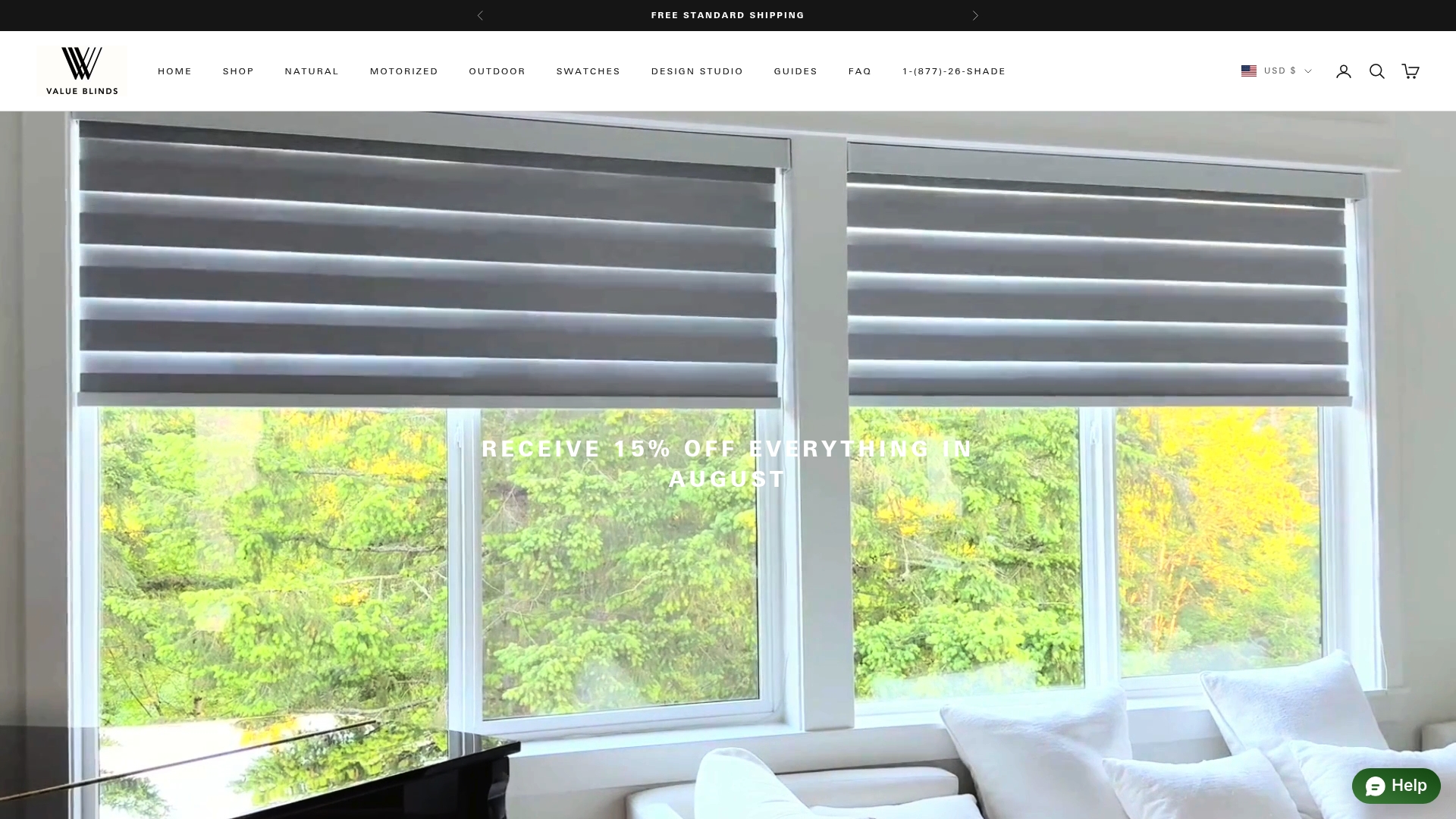
Valueblindsdirect carries a full selection of custom Roman shades and blinds built to the exact dimensions you submit. Every order is made to your specifications, so the measurements you take today translate directly into a shade that fits your window. The site also includes a Window Treatment Design Studio where you can visualize styles and fabrics before you commit. Free swatches, expert support, and clear measurement resources are available to help you order with confidence.
FAQ
What is the best way to measure windows for Roman shades?
Use a steel tape measure and take three width readings (top, middle, bottom) and three height readings (left, center, right). For inside mounts, always use the smallest measurement rounded down to the nearest eighth of an inch.
How much depth do I need for an inside-mount Roman shade?
A minimum of about 1.5 inches of window depth is required for inside mounting. Measure from the front of the frame to the glass to confirm before ordering.
Can I use an inside mount on a window that opens inward?
No. Inside-mount Roman shades block inward-opening windows from functioning because the headrail sits inside the frame. Choose outside mount for any window that swings inward.
How much wider should an outside-mount Roman shade be than the window?
Add 2–4 inches on each side beyond the window frame for width. This overhang reduces light gaps and improves coverage across the full window opening.
Do I need to deduct anything from my measurements before ordering?
For inside mounts, submit the exact opening size. Most manufacturers apply their own deduction to the width so the shade operates without binding. Always confirm the deduction policy with your specific retailer before ordering.