
Article: Homeowners: 5 Window Treatment Families and Room by Room Picks
Homeowners: 5 Window Treatment Families and Room by Room Picks
Window treatments break down into five main families: shades, blinds, drapery and curtains, shutters, and specialty or outdoor options. The rule that actually matters when choosing between them isn’t style or even price. It’s function first. Figure out whether the room needs light control, privacy, or insulation, then let that decision point you toward a family, and only after that toward color and fabric.
TL;DR:
- Choosing the right window treatment depends mainly on your need for light control, privacy, or insulation, not style or price.
- Cellular shades provide superior insulation, especially in cold climates, while blackout liners are essential for bedrooms and media rooms.
- Outside-mounted treatments typically block more light and offer better privacy than inside mounts, which are better for a clean, built-in look.
- Moisture-resistant options like faux wood or vinyl are recommended for kitchens and bathrooms to prevent warping or damage.
- Ordering free fabric swatches and precise measurements minimizes costly mistakes and ensures the treatment fits perfectly.
Table of Contents
- What Counts as a Window Treatment, Anyway?
- Shades: Roller, Roman, Cellular, Solar, Woven, Pleated, and Sheer
- Blinds: Wood, Faux Wood, Aluminum, and Vertical Options
- Drapery and Curtains: Liners, Mounting, and Styling Rules
- Shutters: Plantation Style Indoors and Storm Protection Outdoors
- Specialty and Outdoor Treatments for Patios and Sun-Heavy Rooms
- Which Features Actually Matter: Blackout, Insulation, and Cordless Controls
- How to Choose the Right Treatment for Every Room
- What Homeowners Get Wrong Most Often
- Start With a Swatch, Not a Guess
- Sources
What Counts as a Window Treatment, Anyway?
A window treatment is anything installed in, on, or around a window frame to control light, privacy, or temperature, while also adding style to the room. Industry folks split them into two buckets: hard treatments and soft treatments, and once you know the difference, everything else on this list gets easier to sort.
Hard treatments are rigid, structured pieces like blinds and shutters. Soft treatments are fabric-based and drape or fold, like shades, curtains, and drapery. Both can be interior installs (mounted inside your window frame or wall) or exterior solutions built for patios, pergolas, and sun-battered façades. Window coverings are sometimes used as a broader umbrella term, but “treatments” tends to emphasize the decorative, interior side of things.
- Hard treatments: wood blinds, faux wood blinds, aluminum blinds, plantation shutters
- Soft treatments: roller shades, Roman shades, cellular shades, curtains, drapery
- Exterior options: solar screens, retractable awnings, pergola canopies
Shades: Roller, Roman, Cellular, Solar, Woven, Pleated, and Sheer
Shades are the most versatile category on this list, mostly because “shade” isn’t really one product. It’s a whole family, and each member solves a different problem.
Roller shades are the minimalist’s best friend. One flat piece of fabric, easy to clean, and available in light-filtering or full blackout depending on the fabric weight you pick. They’re a smart default for a home office or a kids’ room where fingerprints and dust are a daily reality.
Roman shades fold into soft horizontal pleats when raised, giving you a tailored, almost couture look. They pair beautifully with layered drapery in living and dining rooms where you want texture without going full curtain. If you’re torn between the two, this comparison of Roman shades vs. roller shades breaks down the practical differences.
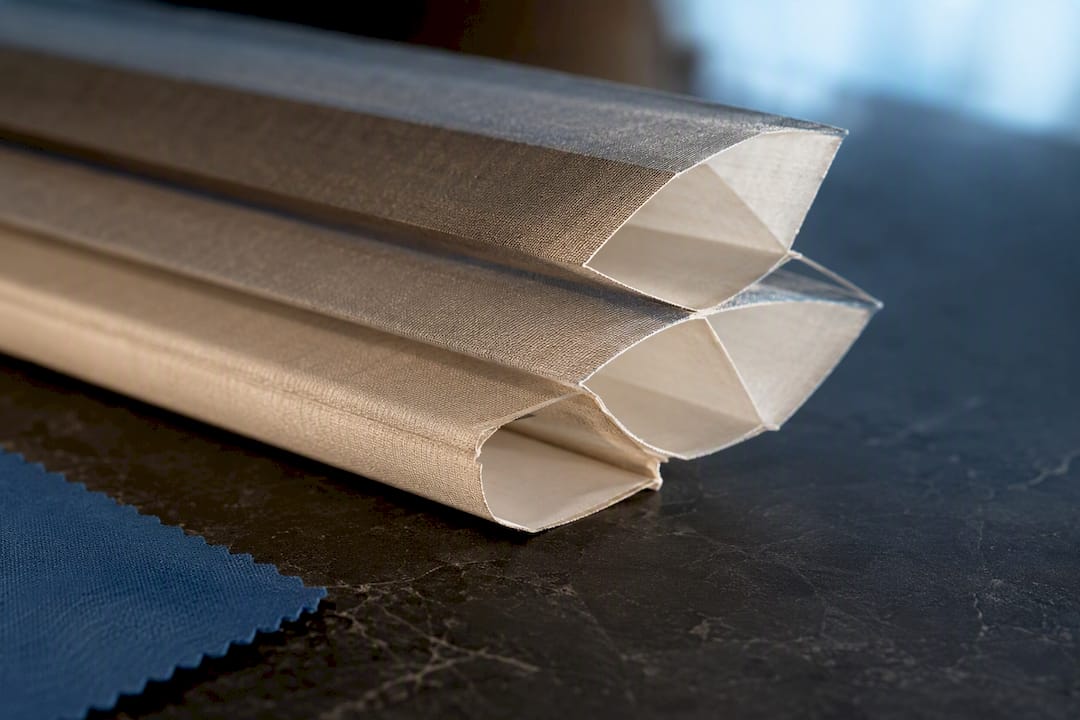
Cellular (honeycomb) shades are the quiet overachievers. Their honeycomb structure traps air in pockets, which gives them a real insulation edge over flat fabric shades, according to Martha Stewart’s window treatment guide. That makes them a strong pick for bedrooms, especially in climates with cold winters or brutal summers, where every bit of trapped air works in your favor.
Solar shades are built for rooms that get hammered by sun. They block UV rays while letting you keep your view, which is why they’re increasingly popular for sunrooms and south-facing living rooms.
Woven and natural shades bring texture, think grasscloth, bamboo, and jute, and they’re having a real moment in design right now. Pair them with a blackout liner if you love the look but still need to sleep past sunrise; on their own, most woven shades filter light rather than block it. If you want the deeper dive, our guide to woven Roman shades covers styling notes room by room.
Pleated and sheer shades round out the budget and aesthetic end: pleated shades give crisp folds at a lower price point than cellular, while sheers soften harsh light without sacrificing an airy feel.
Pro Tip: If you’re outfitting a bedroom, prioritize cordless or motorized cellular shades over any other combo. You get the insulation benefit, the blackout option, and zero dangling cords near a crib or a curious toddler. Browse the full lineup in our guide to different types of window shades, or start with roller shades if minimal is your speed.
Blinds: Wood, Faux Wood, Aluminum, and Vertical Options
Blinds are hard treatments built from horizontal or vertical slats, and the material you choose changes almost everything about how they perform.
Wood blinds bring warmth that faux materials still struggle to match. They’re gorgeous in living rooms and home offices, but skip them in bathrooms or steamy kitchens. Real wood warps and cracks when humidity swings hard.
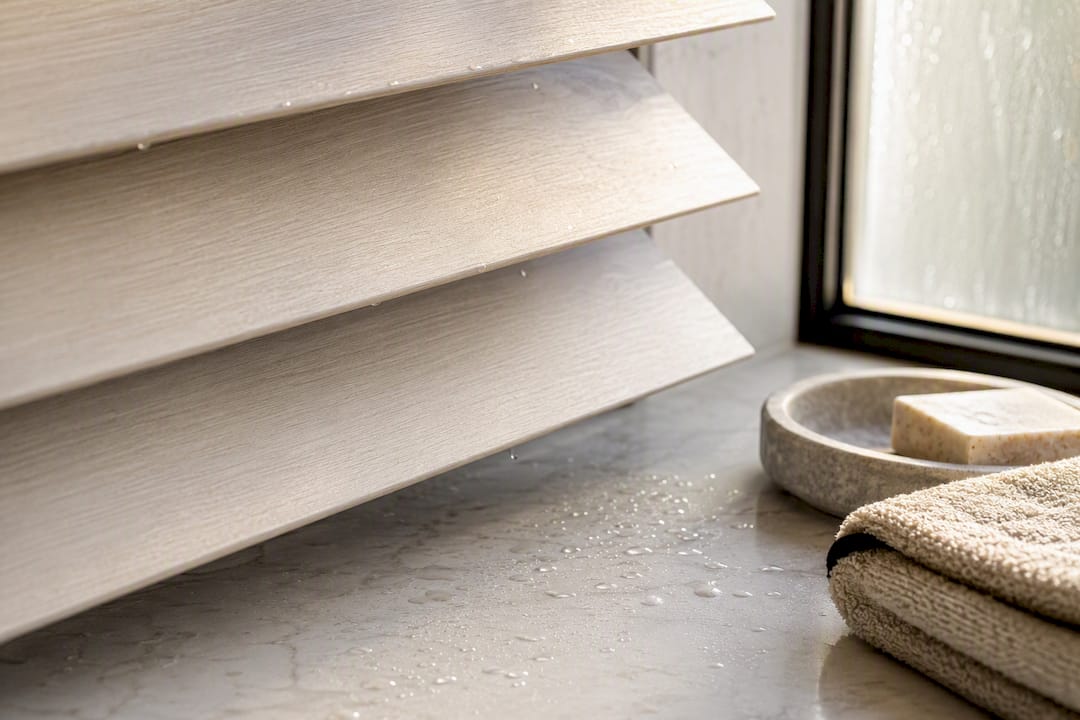
Faux wood blinds solve that exact problem. They look nearly identical to real wood at a friendlier price, and they shrug off moisture, which makes them the go-to for kitchens, bathrooms, and laundry rooms.
Aluminum (metal) blinds are the durable, low-fuss option. They’re a natural fit for modern and minimalist interiors, and they hold up in high-traffic rooms where wood or fabric would show wear fast. Browse the full range of wood blinds or aluminum blinds to compare finishes side by side.
Vertical blinds and panel track systems handle what standard horizontal blinds can’t: sliding glass doors and oversized openings. The vertical orientation means less sag over a wide span, and panel tracks glide smoothly for daily use. Our vertical blinds collection is worth a look if you’ve got patio doors that need real coverage.
- Wood: warm, upscale, avoid high-humidity rooms
- Faux wood: moisture-resistant, budget-friendly, kitchen and bath ready
- Aluminum: durable, modern, low maintenance
- Vertical/panel track: built for sliders and wide windows
On the safety side, cordless lift systems are becoming the standard rather than the upgrade, and motorized versions add convenience if you’d rather tap an app than wrestle a wand.
Drapery and Curtains: Liners, Mounting, and Styling Rules
Curtains, drapery, and sheers get lumped together constantly, but they’re not interchangeable. Curtains are typically lighter, unlined panels. Drapery is heavier, often lined, and made to hang with more structure. Sheers are the translucent layer that filters light while preserving a view.
If a room needs real light blocking or temperature control, add a blackout or thermal liner behind your drapery. Without one, even heavy fabric lets in more light and heat transfer than you’d expect.
A few mounting rules make a bigger visual difference than most people realize:
- Mount the rod 4 to 6 inches above the window frame, or closer to the ceiling for extra height
- Let panels graze the floor or “break” slightly for a tailored look, never hover above it
- Aim for at least double the window’s width in fabric fullness so panels don’t look stretched thin
Pro Tip: Layer drapery over a cellular or roller shade instead of choosing one or the other. Better Homes & Gardens recommends this pairing specifically because it stacks function (insulation, blackout) with style (texture, color, movement) in one window.
Shutters: Plantation Style Indoors and Storm Protection Outdoors
Interior plantation shutters are as close to a permanent fixture as window treatments get. Their wide louvers give you precise light control, they tend to boost resale value more than fabric options, and they hold up for decades with almost no wear.
Exterior shutters split into two camps: decorative shutters that add curb appeal with zero functional purpose, and true storm shutters engineered to protect glass during severe weather.
Because plantation shutters mount directly into the window frame, installation is more involved than hanging a curtain rod, and accurate measurements matter enormously. A gap of even a half inch throws off the whole fit. Shutters tend to suit traditional, farmhouse, and coastal interiors best, and they show up most often in living rooms, home offices, and primary bedrooms where a homeowner wants a built-in look rather than a swappable one.
- Plantation shutters: best light control, highest resale appeal, permanent install
- Decorative exterior shutters: curb appeal only, no storm protection
- Storm shutters: functional wind and impact protection for exterior walls
If you’re weighing shutters against other permanent interior finishes, this guide on choosing the right interior door style covers a similar logic for matching hardware to a home’s overall look.
Specialty and Outdoor Treatments for Patios and Sun-Heavy Rooms
Some windows and outdoor living spaces need solutions that go beyond standard indoor shades and blinds.
Exterior shades and solar screens mount outside the glass, which blocks heat before it ever reaches the window. That makes them noticeably more effective at cutting indoor temperature swings on west-facing walls than an interior treatment alone.
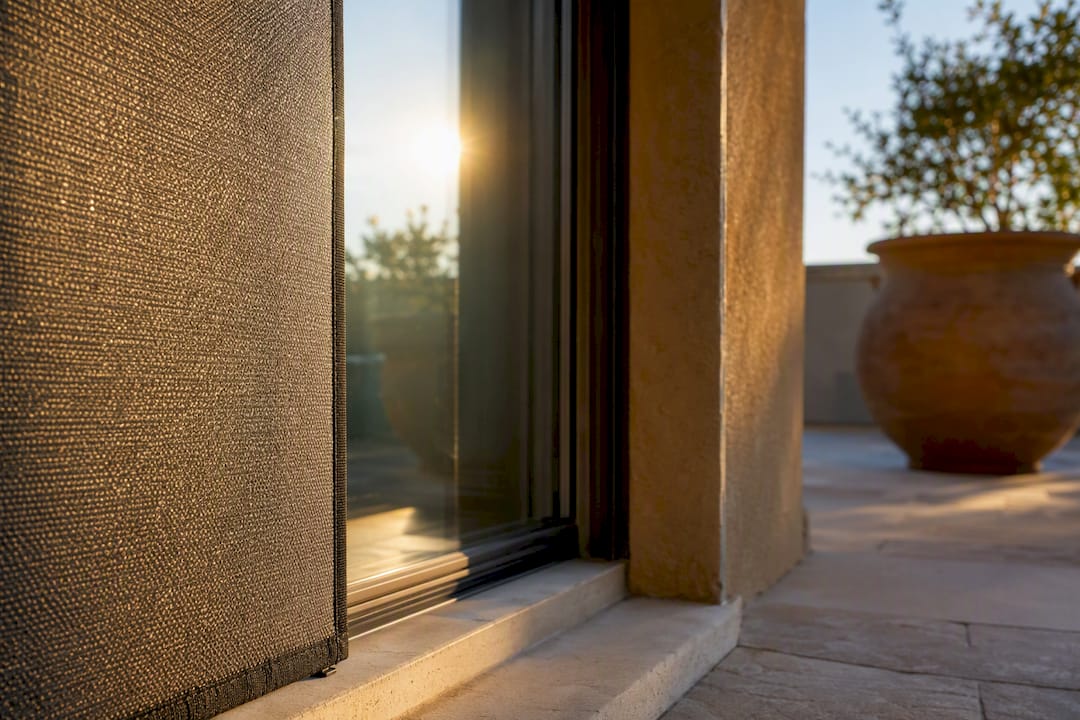
Pergola coverings and retractable awnings extend that same sun control to patios and decks, turning an unusable midday space into shade you can actually sit in.
Window film is the budget entry point here. It’s a lower-cost way to cut UV exposure and add privacy without changing the window’s appearance at all, though it won’t give you the adjustable light control a shade or blind provides.
- Choose exterior shades or solar screens for sun-battered façades and rooms that overheat by afternoon
- Choose a pergola or awning for uncovered patios and decks
- Choose window film when budget is tight and you just need UV and privacy, not adjustability
Climate and access decide the winner here more than preference. A second-story window with no easy exterior access usually points you back indoors, toward a solar shade instead.
Which Features Actually Matter: Blackout, Insulation, and Cordless Controls
Not every feature is worth paying extra for, but a few genuinely change how a room feels and performs.
Blackout vs. room-darkening vs. light-filtering isn’t just marketing language. Blackout fabric blocks nearly all light and suits bedrooms and media rooms. Room-darkening cuts most light but allows a soft glow, good for nurseries. Light-filtering lets in daylight while softening glare, ideal for living rooms and kitchens.
Insulating cellular shades are the feature most likely to earn back their cost over time, since their trapped-air structure genuinely improves a room’s thermal performance, according to Martha Stewart’s guide to window treatment types.
Cordless and motorized controls aren’t just a convenience upgrade anymore. Cordless designs meaningfully reduce entanglement risk around kids and pets, and expert buying guides increasingly recommend them as the safer default rather than an optional add-on. Our cordless roller shades guide walks through the safest, most stylish picks if that’s your priority.
Materials for moisture resistance matter most in kitchens and bathrooms. Faux wood, vinyl, and PVC shades hold up where real wood and unlined fabric won’t.
- Bedrooms and media rooms → blackout, cellular preferred
- Nurseries → room-darkening, cordless required
- Kitchens/bathrooms → faux wood or moisture-resistant fabric
- Living rooms → light-filtering, layered with drapery
Before ordering anything, check the warranty terms and whether the fabric carries a stain or fade guarantee. That single line item tells you a lot about how the manufacturer expects the product to age.
How to Choose the Right Treatment for Every Room
Buying window treatments gets a lot less overwhelming once you follow the same sequence every time.
- Identify the priority. Is this room about privacy, blocking light, cutting energy loss, or pure style?
- Choose the family. Match that priority to shades, blinds, drapery, or shutters using the sections above.
- Pick the material and feature. Decide on blackout vs. light-filtering, cordless vs. motorized, and a moisture-resistant fabric if it’s a kitchen or bath.
- Measure, or schedule a professional measure. Accuracy here determines whether the final product actually fits.
Quick room-by-room starting points: bedrooms lean cellular or Roman with blackout liners; living rooms do well with layered shades and drapery; kitchens and bathrooms need faux wood or vinyl for moisture resistance; patios call for exterior shades or a pergola covering.
One decision trips up more first-time buyers than any other: inside mount vs. outside mount. Inside mount sits flush within the window frame for a cleaner, built-in look, but it can restrict full light-blocking coverage. Outside mount covers the entire frame and often blocks more light and provides better privacy, especially useful if your window frame is uneven or shallow. For bay windows specifically, our guide on bay window blinds and fit walks through the trickier measuring decisions.
Pro Tip: Before placing a custom order, ask about lead times, whether swatches are free, the return policy, and what the warranty actually covers. Better Homes & Gardens specifically recommends ordering swatches first to check color and opacity in your own lighting, since screen colors and in-room colors rarely match perfectly.
What Homeowners Get Wrong Most Often
The biggest mistake I see isn’t picking the wrong shade or blind. It’s picking style before function, then discovering the gorgeous linen Roman shade lets in a wall of morning sun straight into a bedroom that needed blackout from day one. Function first isn’t a slogan here, it’s the difference between loving your window treatment in six months or ripping it down.
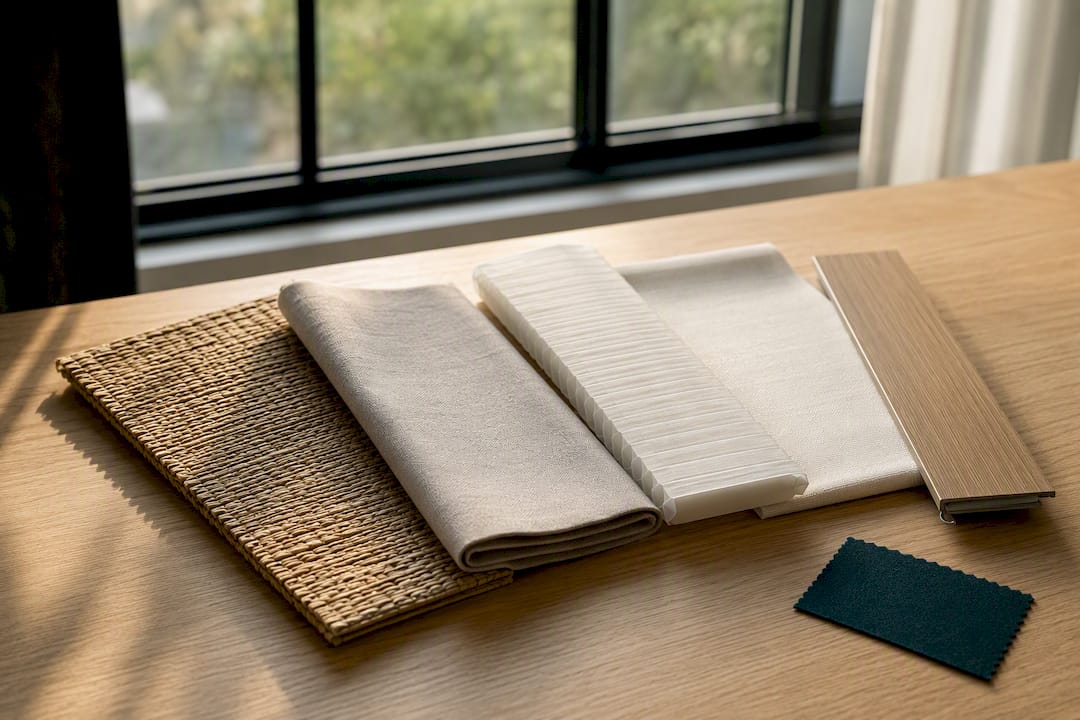
The second mistake is skipping swatches entirely. A fabric that reads “warm white” online can look distinctly yellow against your actual wall paint, and you won’t know until it’s hanging. The third is guessing at mount type instead of measuring both inside and outside options, which is exactly how people end up with a shade that’s an inch too short and lets light leak in on both sides.
Measurement guides and free swatches exist because returns are expensive and disappointing for everyone involved. Use them. They’re not an extra step, they’re the step that prevents the redo.
— Sunny
Start With a Swatch, Not a Guess
Once you know which family fits your room, the fastest path to getting it right is testing the actual material in your own light, not a photo on a screen. Valueblindsdirect gives you that head start with free fabric swatches, a measurement guide, and a full Window Treatment Design Studio built to walk you through customization before you commit to an order.
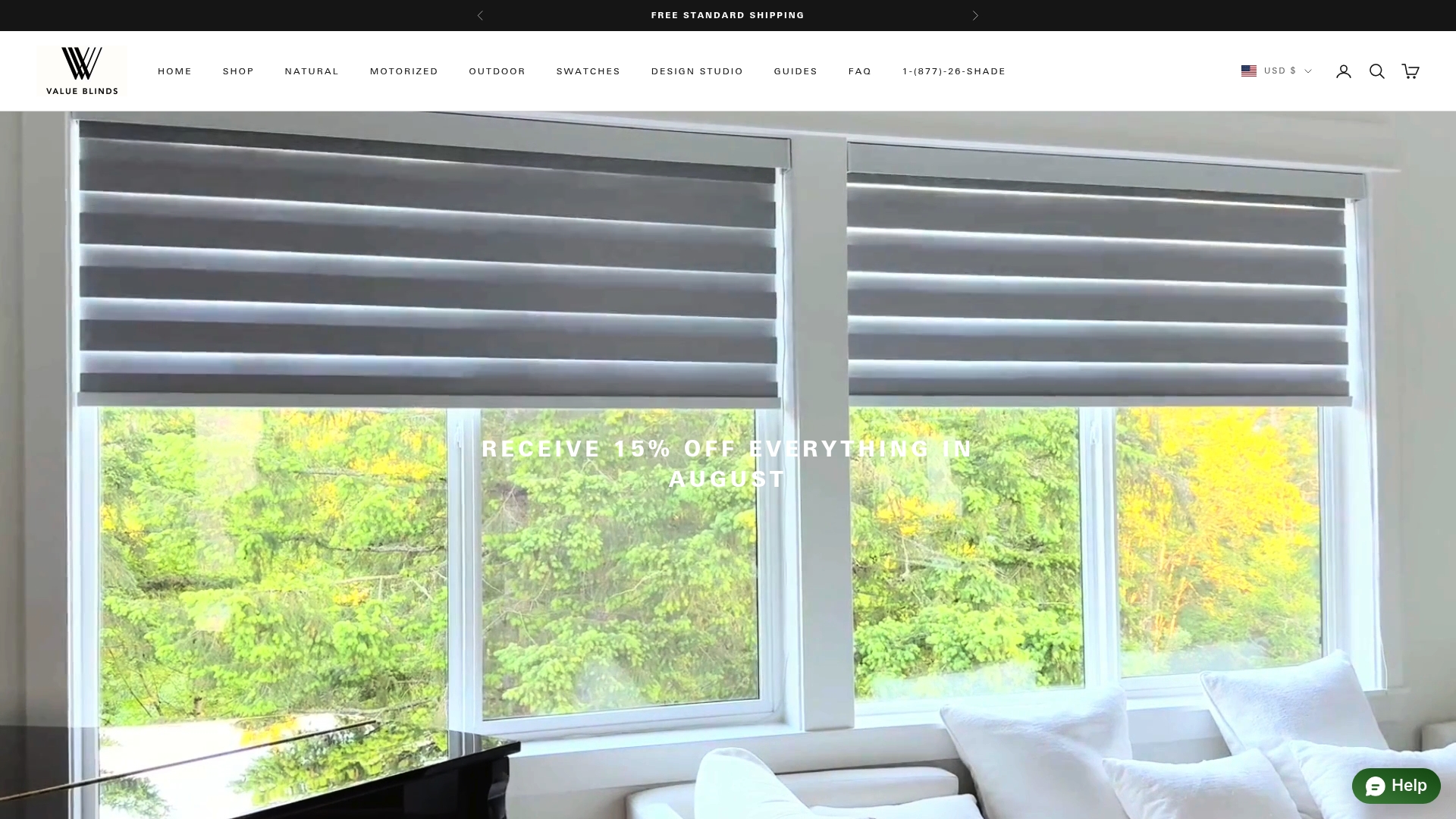
The catalog covers every family in this guide: roller shades, wood blinds, vertical blinds, and cordless or motorized cellular shades built specifically for insulation and blackout, like the Premium Blackout Duo-Tone Honeycomb Shades. If your patio needs shade too, the pergola collection extends that same UV protection outdoors. Every custom order ships with a warranty, and the design studio’s measurement support means you’re not guessing at inside versus outside mount on your own. Order a few swatches today, compare them against your wall in daylight, and start your custom order once you’ve picked a winner.
Sources
- Types of Window Treatments & How to Choose the Right One — Better Homes & Gardens
- Types of Window Treatments, a Visual Guide — Martha Stewart
- Window covering - Wikipedia
- The Complete Window Treatment Encyclopedia: Every Option Explained — ONE ROOM CHALLENGE®