

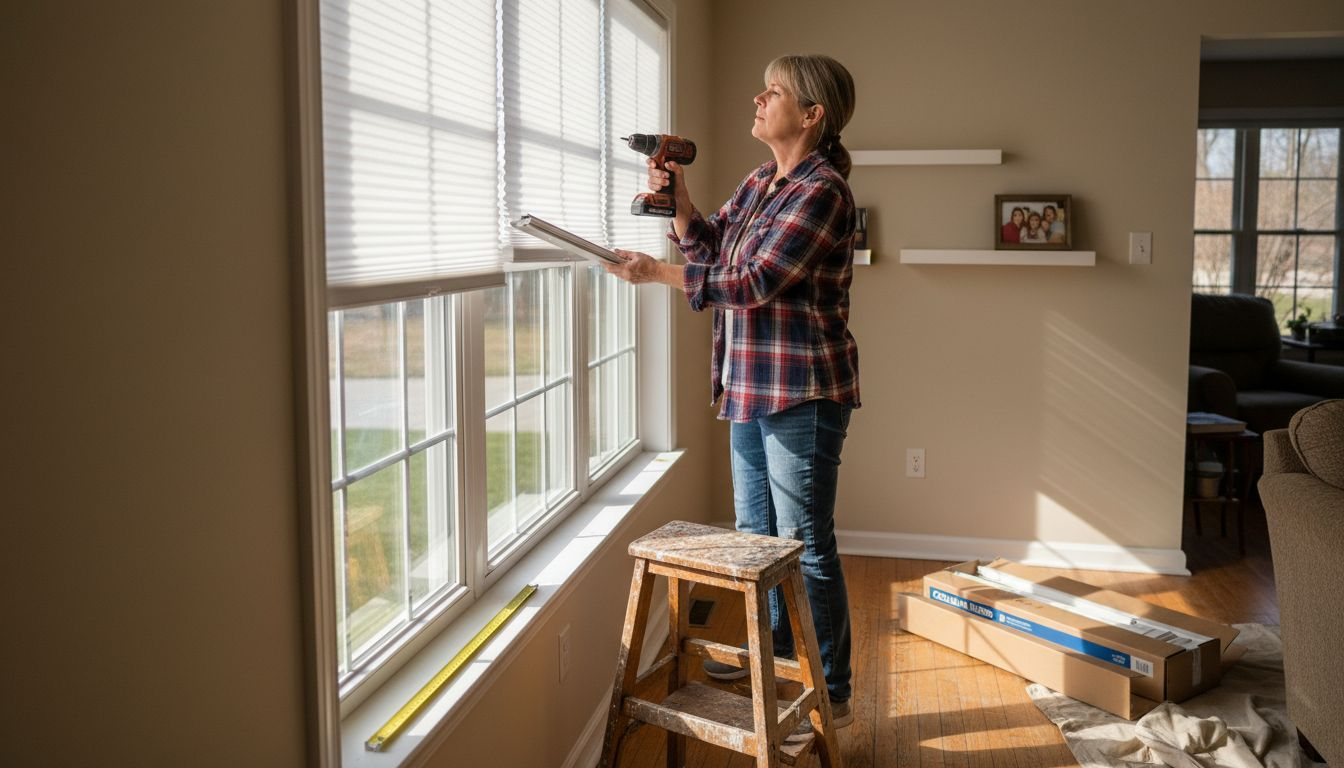
Easy to Install Blinds for Windows: Step-by-Step Guide
Finding window blinds that balance style and energy savings can seem harder for urban homeowners than it should be. With millions of American households investing in energy efficient upgrades every year, the right blinds make a difference you can feel. Whether you want a simple installation or more precise light control, this guide covers practical steps for choosing customizable blinds that increase comfort and visual appeal in any city living space.
Table of Contents
- Step 1: Choose The Right Easy To Install Blinds For Your Windows
- Step 2: Measure Your Windows For A Perfect Blind Fit
- Step 3: Gather Necessary Tools And Prepare Your Workspace
- Step 4: Install Blinds Securely Using The Provided Hardware
- Step 5: Verify Proper Alignment And Test Blind Functionality
Quick Summary
| Key Point | Explanation |
|---|---|
| 1. Select blinds based on needs | Understand your home’s requirements and energy goals for choosing window blinds that offer light control and temperature management. |
| 2. Measure windows accurately | Take precise measurements using the narrowest width and longest height to ensure a perfect fit for your chosen blinds. |
| 3. Prepare tools and workspace | Gather essential tools and clear the area around your windows to create an organized and safe installation environment. |
| 4. Follow installation guidelines | Mark bracket positions carefully and use pilot holes for secure mounting, ensuring blinds operate smoothly and look professional. |
| 5. Test functionality after installation | Check the blinds’ alignment and operation, adjusting any minor issues to ensure consistent performance and appearance. |
Step 1: Choose the right easy to install blinds for your windows
Selecting the perfect window blinds requires understanding your specific home needs and energy efficiency goals. The right blinds can transform your space while providing practical benefits like light control, privacy, and temperature management.
When choosing window blinds, focus on several key factors that impact both aesthetics and functionality. Energy-efficient window coverings play a crucial role in home comfort, with options ranging from cellular shades to horizontal and vertical blinds. Consider your window orientation, room temperature requirements, and desired light control when making your selection.
Different blind types offer unique advantages. Cellular shades excel in insulation, creating air pockets that help regulate indoor temperatures. Horizontal blinds provide excellent solar heat gain control, particularly effective in warmer climates. Consumer research suggests prioritizing factors like window size, privacy needs, and potential energy savings when making your decision.
Pro Tip: Always measure your windows precisely and order samples to test color and light filtering before final installation.
Here’s a quick comparison of common blind types and their benefits:
| Blind Type | Main Benefit | Best For | Energy Impact |
|---|---|---|---|
| Cellular Shades | Superior insulation | Bedrooms, living rooms | Reduces heat loss |
| Horizontal Blinds | Flexible light control | Kitchens, offices | Limits solar heat gain |
| Vertical Blinds | Large window coverage | Sliding doors, patios | Improves temperature regulation |
| Roller Shades | Modern look | Bathrooms, hallways | Modest energy savings |
Step 2: Measure your windows for a perfect blind fit
Getting precise window measurements is crucial for ensuring your blinds fit perfectly and look professionally installed. The right measurements will prevent gaps, improve energy efficiency, and create a polished appearance in your living space.
Window measurement techniques require careful attention to detail. You will need to measure the width at three different points across your window: top, middle, and bottom. Always use the narrowest width measurement to ensure a proper fit. For height, measure at three points as well, using the longest measurement. Pro tip: When measuring inside mount blinds, make sure to check the window recess depth to confirm compatibility with your chosen blind style.
Your measurement approach will differ slightly depending on whether you choose an inside or outside mount. Energy performance ratings recommend taking precise measurements to minimize air leakage and maximize thermal efficiency. Inside mounts work best when your window frame is deep enough to accommodate the blind mechanism, while outside mounts provide more flexibility and can cover imperfections in window frames.
Pro Tip: Use a metal measuring tape for accuracy and always measure twice to confirm your dimensions before ordering.
Use this table for a concise overview of measurement approaches for blinds:
| Mount Type | When to Use | Key Measurement Detail | Effect on Appearance |
|---|---|---|---|
| Inside Mount | Deep window frames | Use narrowest width | Minimalist, seamless look |
| Outside Mount | Shallow/small frames | Use longest height | Covers frame imperfections |
Step 3: Gather necessary tools and prepare your workspace
Preparing your workspace and collecting the right tools is essential for a smooth and successful blind installation process. Taking time to organize your materials will save you frustration and ensure a professional result.
Your basic toolkit should include a metal measuring tape, pencil, level, stepladder, drill, drill bits, mounting brackets, screwdriver, and safety glasses. Value Blinds installation guide recommends clearing the area around your windows completely to create an unobstructed workspace. Remove any existing window treatments, furniture, or decorative items that might interfere with your installation process.
Consider the surface you will be mounting your blinds on wood trim, drywall, or metal window frames each require different preparation and potentially specialized tools. Ensure you have the appropriate anchors or mounting hardware for your specific window type. Create a clean, well-lit workspace with a stable surface to lay out your tools and blinds, and have a helper available if possible to make the installation smoother and more efficient.
Pro Tip: Organize your tools and materials before starting and wear safety glasses to protect your eyes during drilling and installation.
Step 4: Install blinds securely using the provided hardware
Installing window blinds requires precision and careful attention to detail to ensure a stable and professional looking result. Your goal is to mount the brackets securely and align the blinds perfectly for smooth operation and an appealing finish.
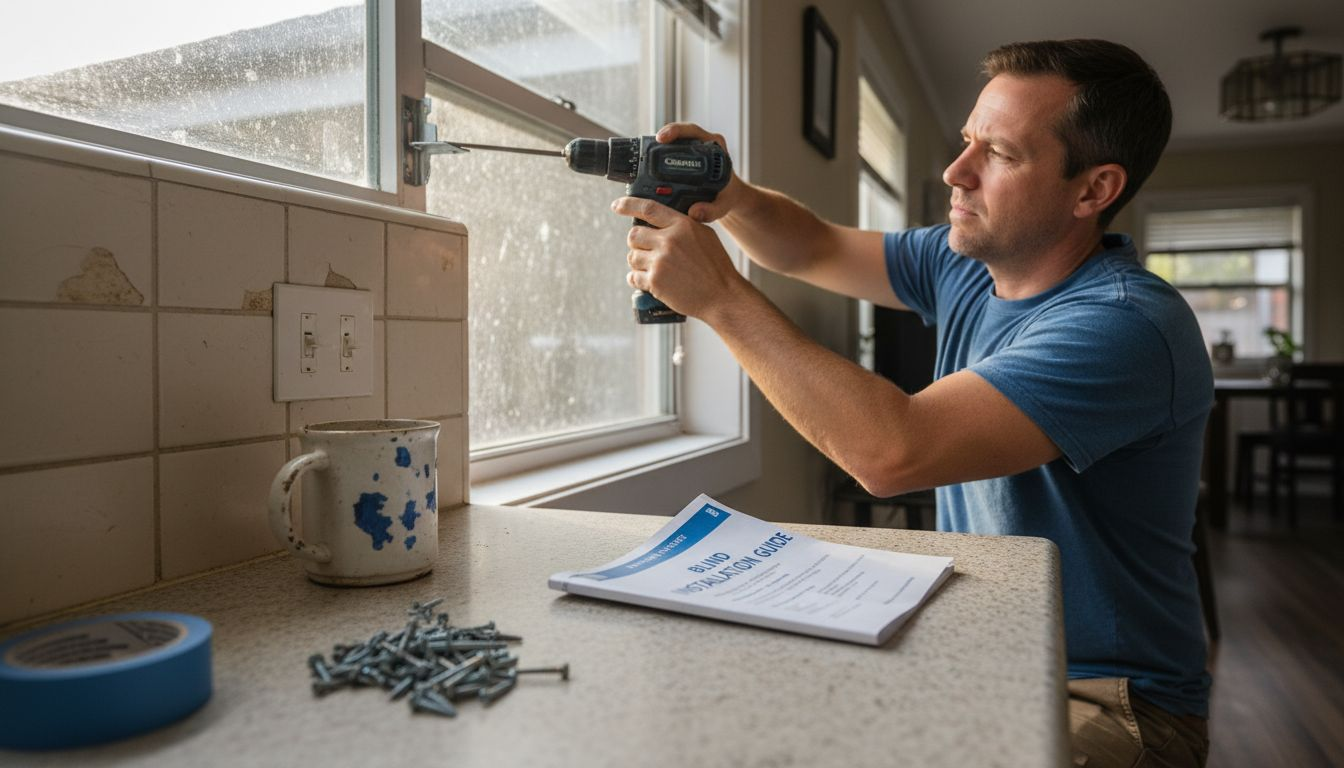
Blind installation techniques recommend starting by carefully marking your bracket positions using a level to guarantee straight alignment. Drill pilot holes before inserting screws to prevent surface damage and ensure easier installation. Choose screws that match your wall surface wood requires different anchoring compared to drywall or masonry. When attaching mounting brackets, apply consistent pressure and confirm each bracket is level and firmly secured.
Slide the headrail into the mounted brackets following the manufacturers specific instructions. Some blinds require a slight angle or specific technique to lock into place. Double check that the blinds move smoothly and are level after installation. No drill installation guide can provide alternative mounting solutions if you are concerned about drilling into your walls.
Pro Tip: Always keep the installation manual nearby and test blind movement before fully tightening all screws to allow minor adjustments.
Step 5: Verify proper alignment and test blind functionality
After installation, carefully checking your blinds ensures they operate smoothly and look professionally mounted. A thorough functionality test will help you catch and address any potential issues immediately.
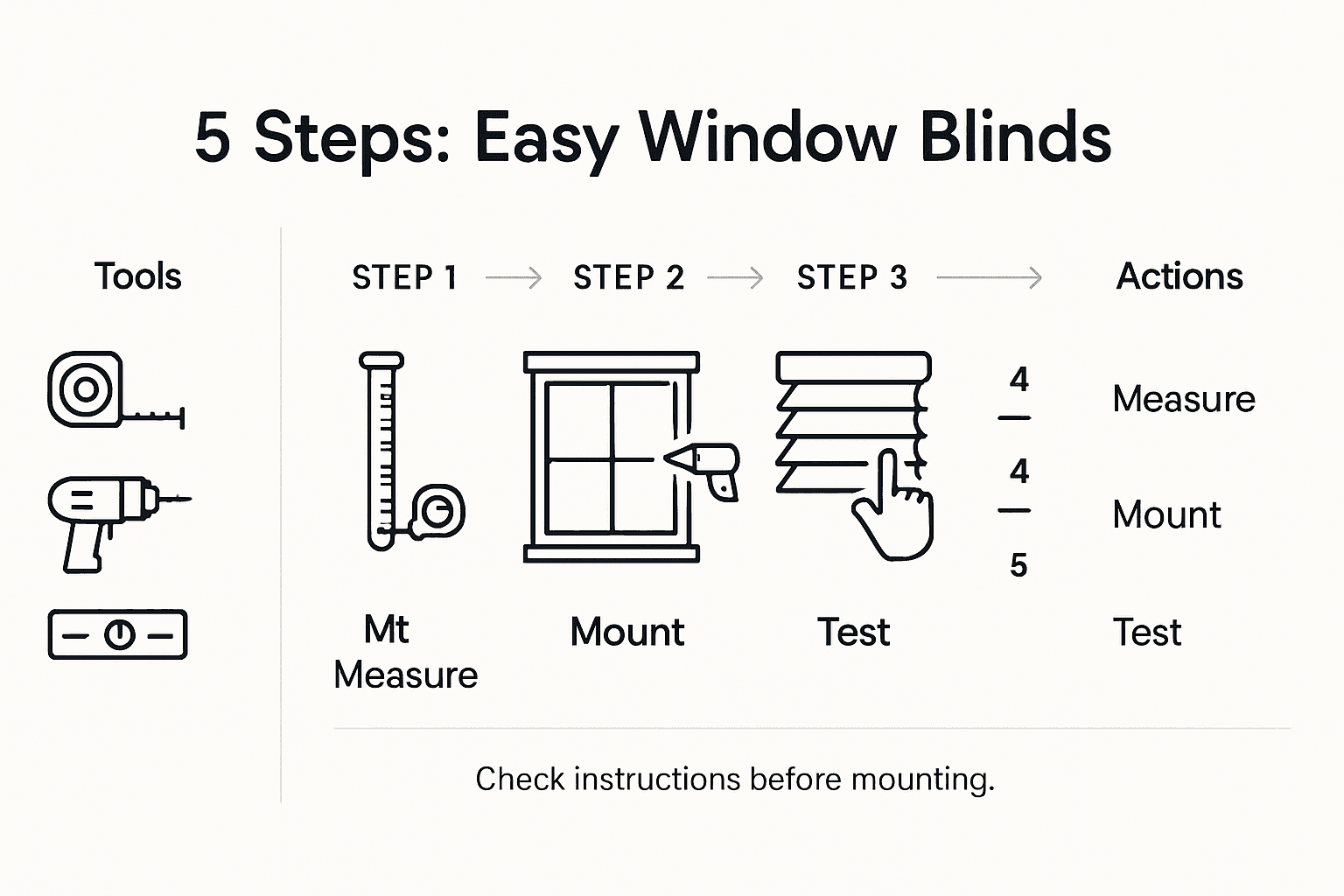
Window blind installation techniques recommend systematically verifying several key aspects of your new blinds. Start by visually inspecting the headrail and brackets to confirm they are perfectly level and evenly positioned. Operate the blinds using their control mechanism lift cords or control wand and observe their movement. Check that they raise, lower, and tilt without catching, binding, or showing uneven resistance.
Troubleshooting blinds becomes easier when you identify issues early. If you notice any slight misalignment, gently adjust the brackets or headrail positioning. Pay attention to how the slats or fabric hang make sure they fall uniformly and create a clean, consistent appearance. Minor adjustments during this initial test can prevent long term operational problems and ensure your blinds look and function perfectly.
Pro Tip: Test your blinds multiple times under different lighting conditions to ensure consistent performance and identify any subtle alignment issues.
Discover Easy to Install Blinds Tailored for Your Home
Struggling with tricky window measurements or searching for custom blinds that balance style and energy efficiency? This step-by-step guide highlights common challenges such as precise measuring and choosing the right blinds for temperature control and privacy. At Value Blinds, we understand your need for quality, easy-to-install window treatments that fit perfectly and enhance your living space.

Explore our wide selection of energy-efficient options including cellular shades and roller shades designed for effortless installation. Get started with our New Arrivals offering the latest styles made for easy customization and installation. Ready to transform your home with minimal hassle? Visit Value Blinds today to order free swatches, access expert measurement guides, and enjoy fast shipping on blinds that truly fit your windows and your lifestyle.
Frequently Asked Questions
How do I measure my windows for the perfect fit of easy to install blinds?
To measure your windows accurately for easy to install blinds, measure the width at three points: the top, middle, and bottom, and use the narrowest measurement. For height, measure at three different points as well, and use the longest measurement to ensure a perfect fit.
What tools do I need to install blinds securely?
You will need a metal measuring tape, pencil, level, stepladder, drill, drill bits, mounting brackets, screwdriver, and safety glasses. Gather these tools to prepare your workspace for a smooth installation process.
How can I ensure my blinds are installed correctly?
Start by marking your bracket positions carefully using a level to guarantee straight alignment before drilling pilot holes. After installation, test the blinds’ movement and adjust as necessary to confirm that they are level and function smoothly.
What are the benefits of different types of blinds?
Different types of blinds offer unique advantages; for example, cellular shades provide superior insulation, whereas horizontal blinds allow flexible light control. Assess your needs for energy efficiency, light control, and aesthetics to choose the best option for your space.
How can I improve energy efficiency with window blinds?
To enhance energy efficiency, select window blinds that suit your specific needs, like cellular shades for insulation or horizontal blinds for solar heat gain control. Properly measuring and installing the blinds can minimize air leakage and help maintain your desired indoor temperature.
What should I do if my newly installed blinds do not function properly?
If your blinds are not functioning smoothly, check for misalignment in the headrail and brackets, and adjust them as needed. Conduct thorough tests multiple times to ensure consistent performance and identify any subtle issues early.