
Article: Remote Control Roman Blinds: A Smart Buyer's Guide

Remote Control Roman Blinds: A Smart Buyer's Guide
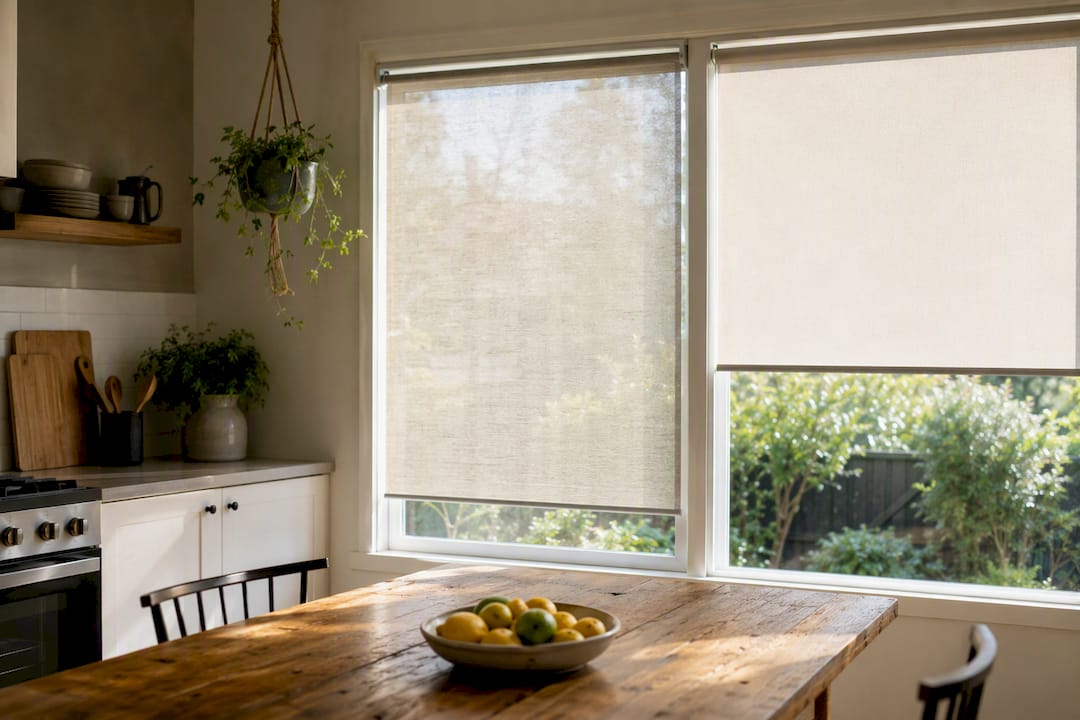
Remote control Roman blinds are motorized Roman shades you operate with a handheld remote, a smartphone app, or a voice assistant, no cords required. You get cordless safety around kids and pets, hands-free convenience, smart-home integration, and the same tailored fabrics you’d get with a traditional Roman shade. If you’re ready to compare options, Value Blinds’ motorized product lines and measurement tools make it easy to move from research to order.
Why homeowners and decorators are switching:
- Cordless safety for households with young children or curious pets
- Hands-free operation from a remote, app, or voice command
- Smart-home integration with routines and schedules
- Custom fabrics in blackout, light-filtering, and moisture-resistant options
Key Takeaways
Remote control Roman blinds work best when power type, smart-home compatibility, and fabric weight are matched to how often you’ll actually use them.
| Point | Details |
|---|---|
| Cordless safety first | Motorized Roman blinds remove operating cords, a real safety win for homes with kids or pets. |
| Match power to usage | Battery suits occasional use, rechargeable suits moderate use, hardwired suits high-traffic or oversized windows. |
| Check smart-home fit | Confirm Matter/Thread or bridge requirements before assuming your Alexa or Google Home setup will work. |
| Manual override matters | Always verify a fallback control method in case batteries die or the network drops. |
| Value Blinds supports the order | Free swatches, measurement guides, professional install, and warranties back every custom motorized order. |
Table of Contents
- How Do Motorized Roman Blinds Actually Work?
- Which Control Method Fits Your Home Best?
- Battery, Rechargeable, or Hardwired: Which Power Type Wins?
- Choosing Fabric for Light Control, Moisture, and Style
- What Should You Measure Before You Order?
- Are Motorized Roman Blinds Actually Safer for Kids and Pets?
- How Do You Choose the Right Remote Control Roman Blinds?
- A Publisher’s Note on Motorized Roman Blinds
- Ready to Order? Here’s How Value Blinds Makes It Easy
- Frequently Asked Questions
- Sources
How Do Motorized Roman Blinds Actually Work?
Every motorized Roman blind runs on the same basic principle: a small motor, usually a tubular unit built right into the headrail, drives the lift mechanism that would otherwise need a cord or wand. The motor tracks position electronically, so it knows exactly where “fully open,” “fully closed,” or your favorite halfway point sits without you having to eyeball it every time.
Here’s what happens when you press that remote button:
- Your remote (or app, or voice command) sends a signal using RF, infrared, Bluetooth, or Wi-Fi, depending on the system.
- The motor’s receiver picks up the signal and drives the lift mechanism to the programmed position.
- Built-in sensors confirm the shade has reached its target, whether that’s a full stop or one of several saved positions.
- If power drops or the network hiccups, most quality units let you operate the shade manually as a fallback.
That manual override matters more than people expect. Some systems, like the Automatic Curtain Roman Shade System II, even let one remote manage multiple blinds with programmable stop positions, so an entire room’s shades land at the exact same height every time.
Which Control Method Fits Your Home Best?
Not every remote works the same way, and picking the wrong one is a common (and avoidable 🙃) mistake. You’ve got three main paths:
- Handheld RF remotes — simple, reliable, no app required, great for single rooms or renters who don’t want a smart-home commitment.
- App-based cloud control — lets you adjust blinds from anywhere, schedule routines, and group multiple shades together.
- Voice assistants — Alexa, Google Home, and Apple Home can all trigger your blinds as part of daily routines once paired.
Many current motorized Roman blinds support Matter and Thread, the newer smart-home standards that let devices talk to Alexa, Google Home, Apple Home, and Samsung SmartThings without a separate bridge box cluttering your closet. Older or budget systems sometimes still need one, so check before you buy.
Pro Tip: If privacy is a priority, look for local RF-only control. If remote access from your phone while you’re at work matters more, a cloud-connected app-based system is worth the small trade-off.
Battery, Rechargeable, or Hardwired: Which Power Type Wins?
Power source shapes both your installation day and your maintenance routine for years afterward.
- Battery-powered units install fastest, no electrician needed, but you’ll swap batteries periodically depending on usage.
- Rechargeable models use USB-C charging, and many brands advertise that batteries last several months between charges rather than weeks.
- Hardwired or low-voltage systems suit large windows, doorways, or heavy daily use, trading a more involved install for zero battery maintenance.
Lutron’s Triathlon Roman shade kit uses Clear Connect RF and battery power with multi-year life estimates on some kits, a strong example of how far battery tech has come for pro-grade motorization. That said, actual battery life depends heavily on fabric weight, blind size, and how often you’re raising and lowering the shade, so a small light-filtering shade in a guest room will outlast batteries in a big blackout shade you’re operating twice a day.
For frequently used or oversized installations, hardwired motorization often pays off over time simply because you’re not chasing battery replacements.
Choosing Fabric for Light Control, Moisture, and Style
Fabric choice affects more than looks, it changes how hard your motor has to work.
- Blackout fabrics suit bedrooms and media rooms where total light block matters.
- Light-filtering fabrics work well in living rooms and kitchens where you still want a soft, diffused glow.
- Moisture-resistant fabrics are the smart pick for bathrooms and kitchens, where humidity would otherwise warp lighter materials.
- Heavier fabrics (think structured blackout weaves) demand a bit more motor torque, which can shave time off battery life compared to a light, airy weave.
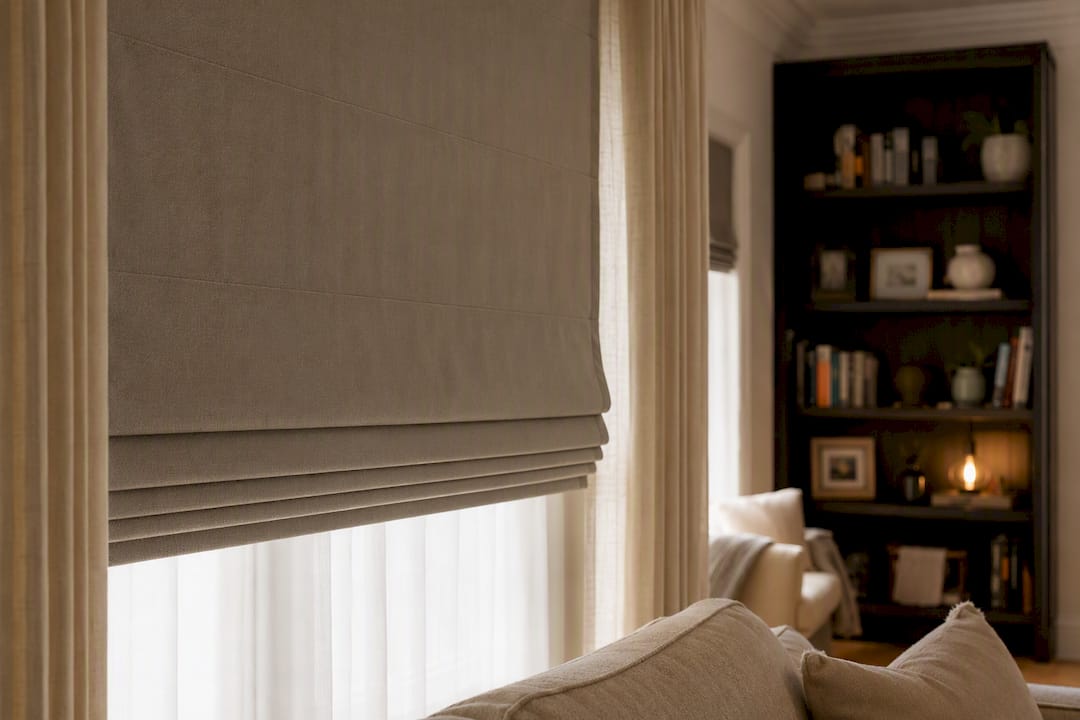
When you’re coordinating a room, think about fold style too. A relaxed Roman fold reads casual and cottage-like, while a flat, structured fold feels tailored and modern, both work beautifully motorized, so pick based on your room’s personality, not the tech underneath.
What Should You Measure Before You Order?
Getting the measurements right the first time saves you a frustrating reorder later, so slow down here.
- Decide inside or outside mount. Inside mount gives a cleaner, built-in look; outside mount is more forgiving if your window frame isn’t perfectly square.
- Measure width in three places (top, middle, bottom) and use the smallest number for inside mounts, a step people skip constantly.
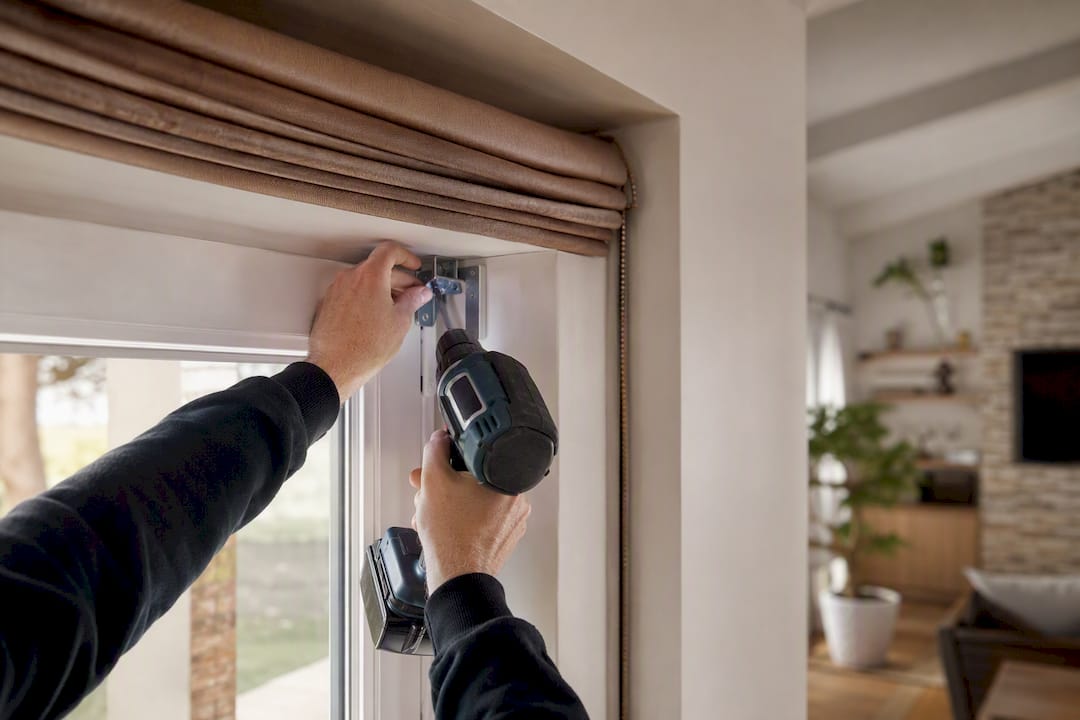
- Check mounting depth for motorized headrails, which are often bulkier than manual ones and need a bit more clearance.
- Plan maintenance basics once installed: check battery or charge status periodically, keep the app or firmware updated, and know the basic troubleshooting steps if a shade stops responding.
Value Blinds’ own measurement guide for custom blinds and step-by-step Roman blind measuring guide walk you through both mount types in detail. If a shade ever acts up after install, this troubleshooting resource covers the most common fixes before you assume something’s broken.
Are Motorized Roman Blinds Actually Safer for Kids and Pets?
Yes, and it’s one of the biggest reasons families make the switch. Cordless motorized blinds remove the dangling operating cord entirely, which eliminates a well-documented strangulation hazard for young children and curious pets.
Before you buy, look for these reliability safeguards:
- Manual override or local control as a fail-safe if batteries die or Wi-Fi drops
- UL or CE safety certifications on the motor and remote hardware
- A clear warranty and return policy from the vendor in case a unit underperforms
Our cordless blinds safety guide breaks down what to check room by room.
How Do You Choose the Right Remote Control Roman Blinds?
Use this checklist when you’re comparing vendors or finalizing a custom order:
- Match power type to usage frequency. High-traffic rooms or oversized windows lean hardwired; occasional-use rooms do fine on battery or rechargeable.
- Confirm smart-home compatibility with whatever ecosystem you already run, Alexa, Google Home, Apple Home, or SmartThings, and ask whether a bridge is required.
- Check the specs sheet for motor noise level, lift capacity for your blind’s width and weight, and warranty length.
- Ask about measurement support and professional installation if your windows are oversized, unusually shaped, or you’d rather not DIY it.
- Order free swatches before committing to a fabric, and ask about lead times and return policy for custom units.
Pro Tip: Request swatches for at least two fabric weights if you’re on the fence between blackout and light-filtering. Holding the actual material against your window at different times of day tells you more than any product photo ever will.
A Publisher’s Note on Motorized Roman Blinds
Sunny has spent years covering window treatment trends and product specs for homeowners weighing style against smart-home function. Value Blinds backs that experience with real buyer tools, measurement guides, free swatches, and warranties, so you’re not guessing your way through a custom order.
Ready to Order? Here’s How Value Blinds Makes It Easy
Once you know your power type, control preference, and fabric, ordering shouldn’t feel like a chore, and with Value Blinds, it isn’t. Our motorized light-filtering cellular shades and motorized natural woven shades show exactly how fabric and motorization pair up in real product listings, not just theory.
Start with our Window Treatment Design Studio to preview fabrics and fold styles against your actual window dimensions. From there, request free swatches to feel the material in hand, use our measurement guides to lock in accurate dimensions, or book professional measuring and installation if your windows are oversized or oddly shaped. Every custom order comes backed by a warranty and real customer support, so if a question comes up mid-process (it usually does), you’re never handling it alone. Head to the motorized shades collection to start comparing fabrics and get a feel for pricing on your exact window size.
Frequently Asked Questions
Will remote control Roman blinds work with the smart-home system I already have? Most current models support Alexa, Google Home, Apple Home, or SmartThings, and many now include Matter or Thread support so you skip an extra bridge device. Always confirm compatibility on the specific product page before ordering.
How long does the battery actually last on a motorized Roman shade? It varies by fabric weight, blind size, and how often you operate it, some rechargeable units go months between charges, while heavier blackout shades used daily may need more frequent recharging.
Can I still open and close the blind if the battery dies or Wi-Fi drops? Quality systems include a manual override or local control fallback specifically for this scenario, it’s worth confirming before you buy rather than after installation.
Do motorized Roman blinds need professional installation? Not always. Battery-powered units are often DIY-friendly, but hardwired systems and oversized windows usually benefit from professional measuring and mounting.
How do I maintain a motorized Roman blind after installation? Check battery or charge status periodically, keep the companion app and firmware updated, and consult a troubleshooting guide if the shade stops responding to commands.
Sources
This guide draws on manufacturer specification pages, including Motionblinds’ Roman blind product line, Lutron’s motorized Roman shade kits, and Google Home’s device integration documentation, alongside Value Blinds’ own product and measurement resources.