
Best UV Blocking Window Options for Your Home
TL;DR:
- Layered window protection combining UV-blocking films and shades provides effective indoor UV protection without expensive window replacements.
- Choosing the right solution depends on sun exposure, protection goals, and desired view or privacy levels.
A layered strategy wins every time: pair a clear UV-blocking interior film with targeted solar or cellular shades, and you get the best of both worlds. High-quality clear UV films block over 99% of UVA and UVB while keeping your views intact, and adding shades on top gives you on-demand control over glare and heat. The Skin Cancer Foundation recommends this layered approach for people who spend significant time near windows, and it’s the same logic that drives most UV blocking window options you’ll find on the market today. Whether you’re protecting a gallery wall of artwork, a sun-drenched home office, or a south-facing living room, the combination of film plus shades covers nearly every scenario without a full window replacement.
Table of Contents
- What are the best UV blocking window options?
- How does each UV protection option actually work?
- How do you choose the right UV protection for your home?
- What does installation and maintenance actually look like?
- What does the research say about UV through glass?
- Key Takeaways
- The case for starting with film, not replacing your windows
- Valueblindsdirect makes the layered approach easy
- Useful sources and where to learn more
What are the best UV blocking window options?
Here’s a quick side-by-side look at the most common options so you can spot the right fit before diving deeper.
| Option | UV Blocked | View Retention | Heat Reduction | Privacy | DIY Cost Range | Install Complexity | Lifespan |
|---|---|---|---|---|---|---|---|
| Clear UV-only film | >99% UV blocked | High | Low | None | $1–$4/sq ft | Easy–Moderate | 10–15+ years |
| Solar/roller shades (1–3% openness) | High (fabric dependent) | Limited | Moderate–High | Daytime | $50–$300/window | Easy | 5–10 years |
| Solar/roller shades (5–10% openness) | Moderate | Good | Moderate | Low | $50–$200/window | Easy | 5–10 years |
| Cellular (honeycomb) shades | Moderate | Moderate | High (insulating) | Moderate | $100–$400/window | Easy–Moderate | 7–15 years |
| Blackout roller shades | Very high | None when closed | High | Full | $60–$300/window | Easy | 5–10 years |
| Laminated/low-E glass | 98–100% UVA blocked | High | High | None added | N/A (pro only) | High (replacement) | 20–30 years |
| Exterior screens/awnings | High | Moderate | Very high | Moderate | $1,000–$1,500+ | High (contractor) | 5–15 years |
| Drapes/curtains | Variable | None when closed | Moderate | Full | $30–$400+ | Easy | 5–10 years |
A few trade-offs worth calling out right away:
- Film = invisible + permanent. Clear UV film works continuously without changing how your room looks. You won’t notice it’s there, but your furniture and skin will benefit from its protection.
- Solar shades = view retention + variable protection. The openness percentage controls how much you see vs. how much sun you block. Lower openness gives you more protection; higher openness keeps the view but lets more heat and UV through.
- Replacement windows = maximum performance, maximum cost. Laminated glass blocks 98–100% of UVA and is the gold standard, but it’s a major renovation, not a weekend project.
How does each UV protection option actually work?
Let’s get into the details so you can match the right solution to your specific room and goals.
Clear UV-only window film
This is the workhorse of indoor UV protection. A thin polyester film bonds to the interior glass surface and absorbs or reflects UV radiation in the 300–400 nm range before it reaches your furniture, floors, or skin. Clear UV films maintain high visible light transmission while blocking nearly all UV, so the room looks exactly the same. No tint, no mirror effect, no drama.
Best for: Rooms with artwork, antique furniture, hardwood floors, or any south- or west-facing room where you want continuous protection without changing the aesthetic. Also great for home offices where you sit near glass for hours.
Cost: Consumer-grade rolls are affordable for DIY application. Professional installation adds labor but reduces the risk of bubbles and edge lifting on larger panes.
Solar/roller shades and what openness percentages mean
Openness percentage is the single most misunderstood spec in the shade world. A 1% openness fabric has tiny, tightly woven holes that let in very little light, while a 10% fabric is much more open. Lower openness = more UV and glare blocked, less view. Higher openness = more view, less protection.
- 1–3% openness: Maximum glare and heat control, daytime privacy, limited but present outward view. Best for south- and west-facing rooms, sunrooms, and rooms with direct afternoon sun.
- 5% openness: The sweet spot for most living rooms. Good view retention, solid glare reduction, moderate UV filtering.
- 7–10% openness: Near-transparent feel, minimal privacy, lower UV protection. Works well for north-facing rooms or spaces where you mainly want light diffusion.
Best for: Living rooms, dining rooms, home offices. Pair with clear UV film for maximum protection without sacrificing the view. Check out Valueblindsdirect’s UV roller shades guide for a deeper breakdown of energy and style trade-offs.
Cellular (honeycomb) shades
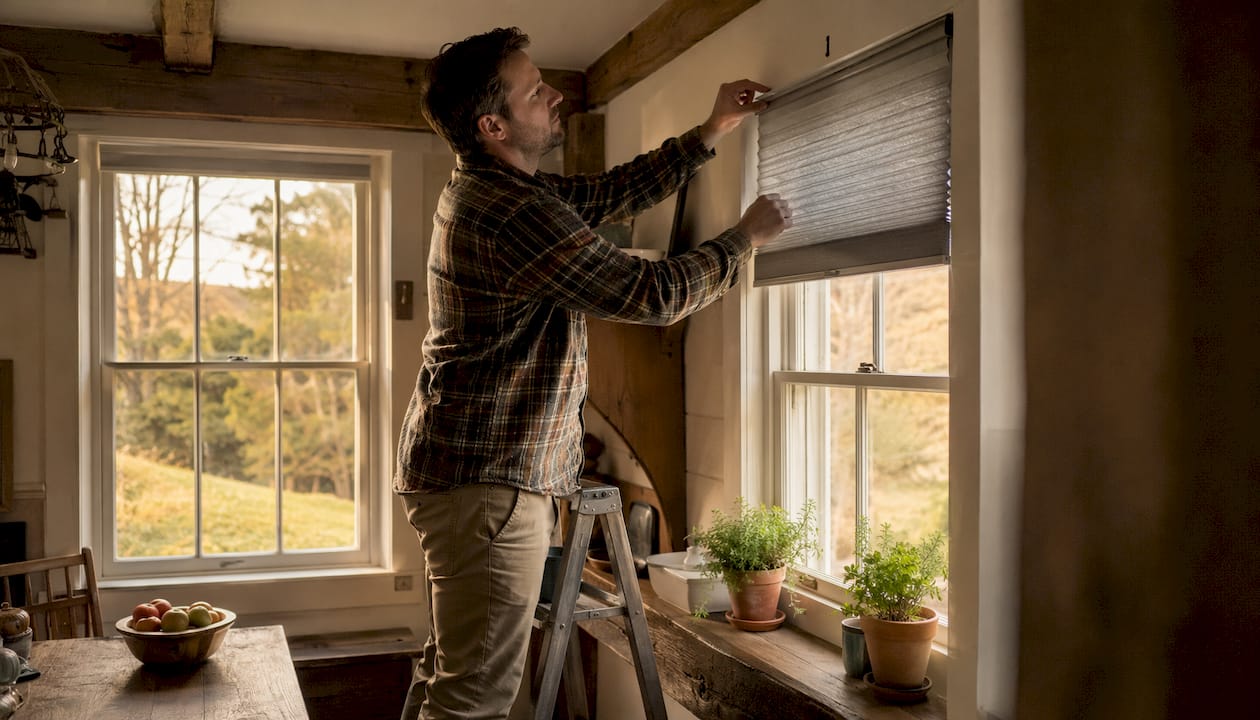
Cellular shades trap air in their honeycomb pockets, which makes them the best insulating shade option. They don’t block UV the way a film does, but they reduce heat gain significantly and can be paired with film for a complete solution. The U.S. Department of Energy notes that cellular shades are among the most energy-efficient window coverings available. Single-cell options work well in mild climates; double-cell shades add more insulation for extreme heat or cold.
Best for: Bedrooms, nurseries, and any room where energy efficiency is a priority alongside light control.
Blackout roller shades
When you need total darkness, blackout shades deliver. They block virtually all light and UV when fully closed, making them ideal for bedrooms and media rooms. The trade-off is obvious: no view, no natural light. Most homeowners use them in combination with a sheer or solar shade on a double bracket so they can switch between modes.
Best for: Bedrooms, home theaters, and shift workers who sleep during the day.
Laminated and low-E glass
Laminated glass uses a PVB interlayer that blocks 98–100% of UVA without any film or treatment. Low-E coatings add a metallic layer that reflects infrared heat. Both are built into the window unit itself, so there’s nothing to clean, replace, or maintain separately. The catch: you’re looking at a full window replacement, which typically runs into the thousands per window installed.
Best for: New construction or a full renovation where you’re already replacing windows. Not practical as a retrofit for most homeowners.
Exterior screens and awnings
Exterior shading intercepts solar energy before it ever hits the glass, which is why it delivers superior heat rejection compared to interior treatments. Retractable awnings and exterior roller screens can cut solar heat gain dramatically, and they also protect the window itself from weathering. The downside is cost (contractor installation is almost always required), maintenance exposure to weather, and a shorter lifespan than interior films unless the materials are specifically rated for outdoor use. For a closer look at how awnings handle UV, exterior awnings and UV protection is worth a read.
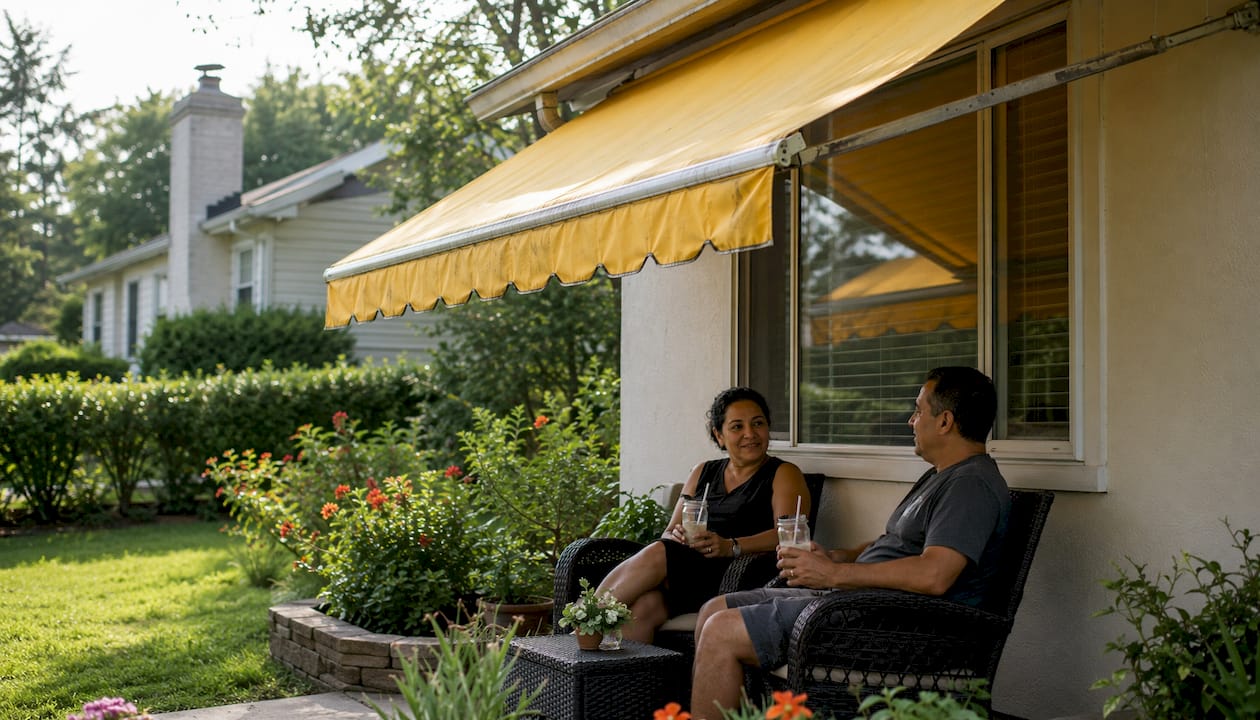
Best for: Patios, large south-facing windows, and homes in hot climates where heat reduction is the primary goal.
Drapes and curtains
Heavy drapes lined with blackout or thermal fabric can block UV when closed, but they offer zero protection when open. They’re the most affordable entry point and work well as a supplementary layer, but they shouldn’t be your only UV defense if you like natural light.
Best for: Bedrooms and formal rooms where you’re happy to keep them closed during peak sun hours.
Pro Tip: For rooms with valuable artwork or furniture, layer a clear UV film on the glass with a 1–3% openness solar shade. The film handles UV protection around the clock, and the shade gives you adjustable glare and heat control when the sun is at its worst.
How do you choose the right UV protection for your home?
Three questions will narrow your options fast. Answer them honestly and the right solution becomes pretty obvious.
-
Which direction does the room face, and how much direct sun does it get? South- and west-facing rooms get the most intense afternoon sun and need the strongest protection. North-facing rooms have much lower UV exposure and can often get by with lighter treatments.
-
What’s your primary goal: health and fade protection, heat/glare control, or both? If you mainly want to stop furniture fading and protect your skin, a clear UV film alone may be enough. If heat is making the room uncomfortable, you need a solar shade or exterior shading on top of that.
-
How important is the view vs. privacy? Clear film preserves both. Solar shades trade some view for protection. Blackout shades give you full privacy but zero view.
Once you’ve answered those, here’s a simple decision path:
- Artwork, antiques, or hardwood floors → Clear UV film first, then add a low openness solar shade for south/west exposures.
- Home office with direct afternoon sun → Clear UV film + 5% solar shade for glare control without losing the view.
- Bedroom → Cellular shades for insulation, or blackout shades if you need full darkness. Add film if the window gets direct sun.
- Sunroom or conservatory → Exterior shading or awnings for heat, plus interior film for UV. This is a high-exposure scenario and warrants multiple layers.
- Considering replacement windows? Low-E or laminated glass makes sense if you’re already doing a renovation. For existing windows, retrofit film is almost always the more practical and cost-effective choice.
When it comes to trust signals, look for products that specify UV blocking in the 300–400 nm wavelength range and rate at least 99% UV rejection. Ask for lab test data or third-party certifications, not just marketing claims. Warranties matter too: quality films offer multi-year warranties; shades typically last several years depending on the brand.
Pro Tip: Before committing to a full-house film installation, order a sample swatch or apply film to one small window first. This lets you check clarity, color neutrality, and adhesion on your specific glass type before you’re in for the whole house.
What does installation and maintenance actually look like?
Installation complexity by option
- DIY clear UV film: Manageable for windows up to about 3 feet wide. You’ll need a spray bottle, squeegee, and patience. Larger panes benefit from a second pair of hands. Expect 30–60 minutes per window for a first-timer.
- Solar and cellular shades: Most homeowners can mount these in under 20 minutes per window with basic tools. Motorized versions add a brief wiring or battery setup step.
- Exterior screens and awnings: Almost always require a licensed contractor. Structural anchoring and weatherproofing are not DIY territory for most homes.
- Replacement windows: Full contractor job, typically 1–3 days for a whole house.
One important caution: applying interior film to dual-pane or existing low-E windows without a professional assessment can trap heat between the panes and stress the seal. If you have sealed double-pane units, get a professional to check compatibility before you apply any film. Window Film Depot flags this risk specifically for homeowners doing DIY installs.
Maintenance checklist
- Clear UV film: Wipe with a soft cloth and mild soap. Avoid ammonia-based cleaners, which degrade the adhesive. Inspect edges annually for peeling. Expect 10–15+ years of lifespan from quality products.
- Solar/roller shades: Dust with a soft brush or vacuum on low suction monthly. Spot-clean with a damp cloth. Check the roll mechanism and brackets annually. Typical lifespan: 5–10 years.
- Cellular shades: Dust regularly; avoid soaking the fabric. Check the cord or cordless lift mechanism yearly. Lifespan: 7–15 years with proper care. For more on what makes window treatments last, the durable window treatments guide is a solid reference.
- Exterior screens/awnings: Rinse with a hose seasonally. Retract during high winds. Inspect mounting hardware annually. Lifespan varies widely (5–15 years) depending on material and climate exposure.
What does the research say about UV through glass?
Standard residential glass is not the UV barrier most people assume it is. Standard clear glass blocks 97–99% of UVB but allows 25–75% of UVA to pass through. UVA is the wavelength responsible for skin aging, pigmentation changes, and a meaningful share of skin cancer risk. UVB, the sunburn wavelength, is largely stopped by glass, which creates a false sense of security for people who sit near windows regularly.
| Glass or treatment type | Typical UVA transmission | UVB transmission |
|---|---|---|
| Standard clear tempered glass | Up to ~79% | ~1–3% (mostly blocked) |
| Standard laminated glass | ~1–2% | ~1% |
| Low-E coated glass | Varies; generally lower than clear | Very low |
| Clear UV-only interior film applied | <1% | <1% |
| Spectrally selective film (e.g., 3M Prestige) | <1% | <1% |
The Skin Cancer Foundation recommends layered protection for anyone spending more than 15–30 minutes in direct indoor sun during peak UV hours, and public health guidance backs up environmental modifications (film, shades, repositioning your workstation) as the most reliable long-term strategy. Sunscreen indoors is optional for most people, but passive protection through your windows is always working, even when you forget to apply anything.
Key Takeaways
A layered approach combining clear UV film with targeted shades offers homeowners effective indoor UV protection without sacrificing views or requiring a full window replacement.
| Point | Details |
|---|---|
| Clear UV film is your foundation | High-quality clear films block over 99% of UV while keeping high visible light transmission. |
| Openness % drives shade performance | 1–3% openness solar shades offer the most UV and glare protection; 7–10% prioritizes view over protection. |
| Standard glass lets UVA through | Clear tempered glass allows up to ~79% of UVA to pass; laminated glass reduces this transmission to near zero. |
| DIY film works for small windows | Consumer-grade UV films are manageable for windows up to ~3 feet wide; larger or dual-pane units benefit from professional assessment. |
| Valueblindsdirect for custom shades | Valueblindsdirect offers custom solar, cellular, and motorized shades to layer with film for a complete UV protection plan. |
The case for starting with film, not replacing your windows
Here’s the thing most window treatment articles won’t say plainly: replacement windows are almost never the right first move for UV protection. Laminated glass is genuinely excellent, but the cost-per-window is steep, the disruption is real, and you’re solving a problem that a $50–$100 film application can handle just as well for UV blocking specifically.
Where I think homeowners go wrong is treating this as an either/or decision. They either do nothing because replacement windows feel too expensive, or they over-invest in new glass when film and shades would have delivered 99% of the UV protection at a fraction of the cost. The sweet spot is almost always retrofit film on the glass plus a quality shade for the rooms that need it most.
The one scenario where I’d genuinely push for exterior shading over interior treatments is a home in a hot climate where heat gain is making rooms uncomfortable and driving up cooling bills. Exterior awnings and screens intercept solar energy before it heats the glass, which interior film simply cannot match for thermal performance. That’s a real energy argument, not just a UV argument, and it’s worth the contractor cost when heat is the primary problem. For everyone else, start with clear film, add a solar or cellular shade where you need glare and heat control, and you’ll have covered the vast majority of UV exposure in your home without a renovation.
Valueblindsdirect makes the layered approach easy
Protecting your home from UV doesn’t have to mean a full renovation or a complicated project. Valueblindsdirect offers custom solar shades, cellular shades, and motorized options that pair perfectly with clear UV film for a complete, room-by-room solution. The cordless Day and Night Cellular Shades are a standout pick: they combine insulating honeycomb construction with smooth cordless operation, making them a great fit for bedrooms and living rooms where you want UV and heat control without cords.
Every shade is custom-cut to your exact window size, and the Window Treatment Design Studio walks you through measuring, style selection, and product pairing so you’re not guessing. Free swatches let you check fabric and color before you commit. Whether you’re starting with one problem window or outfitting the whole house, Valueblindsdirect has the tools and products to get it right. Request your free swatches or open the Design Studio today to build your UV protection plan.
Useful sources and where to learn more
- Skin Cancer Foundation: UV-Blocking Window Film — The most authoritative health-focused resource on film performance, layered protection recommendations, and UV wavelength specs. Start here for health guidance.
- U.S. Department of Energy: Energy-Efficient Window Coverings — Covers the energy-saving performance of cellular shades, solar shades, and other window treatments with government-backed data.
- Window Film Depot: UV Film for Windows — Practical breakdown of film types, VLT specs, lifespan expectations, and installation tips for homeowners and professionals.
- World of Asaya: UV Exposure Indoors — Detailed look at UVA vs. UVB transmission through standard glass and the cumulative risk of daily window exposure.
- Valueblindsdirect: UV Protection for Windows Guide — A homeowner-focused guide covering film, shades, and layered strategies with product links and measurement support.
When comparing any UV-blocking product, always check the stated UV-blocking percentage (look for 99%+ across the 300–400 nm range), ask for lab test documentation, confirm the warranty length, and read installer reviews before committing. Those four checkpoints will filter out most of the underperforming products on the market.