
Blinds and designs: Elevate your space with style and function
TL;DR:
- Proper window treatments enhance a room’s mood, add visual weight, and improve energy efficiency beyond basic light filtering. Selecting the right style, fabric, and technology—such as motorization and cordless options—tailors aesthetics and safety to your lifestyle. Accurate measurement and thoughtful customization ensure your blinds seamlessly complement your space and harness light effectively.
Most homeowners think of window treatments as the last item on the decorating checklist. Pick something neutral, hang it up, move on. But that thinking leaves a lot on the table. The right blinds and designs don’t just filter light or block a neighbor’s view. They define the mood of a room, add visual weight, control temperature, and quietly signal whether a space feels polished or unfinished. This guide breaks down everything you need to know, from choosing the right style for unusual windows to understanding smart-home technology, so you can make decisions that genuinely upgrade your home.
Table of Contents
- The impact of blinds and designs on home aesthetics
- Choosing the right type: A comparison of leading blinds and designs
- Technology and safety: Cordless and motorized innovations
- Customization tips: Blinds and designs made for your space
- Our take: The future of blinds and design is seamless integration
- Bring your blinds and design vision to life
- Frequently asked questions
Key Takeaways
| Point | Details |
|---|---|
| Blinds shape design | The right window treatments transform both the look and feel of any room. |
| Smart tech adds value | Motorized and cordless blinds offer added convenience, safety, and a modern touch. |
| Customization is key | Precise measurements and style choices produce truly personalized results. |
| Specialized solutions | Unique windows like bays require careful selection and fitting for best results. |
| Expert help available | Design professionals can streamline the process and elevate your home’s style. |
The impact of blinds and designs on home aesthetics
Window treatments are among the largest vertical surfaces in any room. That means they carry enormous visual weight whether you intend them to or not. A set of heavy wooden blinds in a small bedroom will make the walls feel closer. A sheer roller shade in a living room flooded with natural light will feel airy and expansive. The difference between these outcomes isn’t luck. It’s understanding how color, texture, and light interact with your specific space.
Color is the most immediate lever. Warm-toned fabrics in soft linen or woven jute will ground a room and make it feel cozy. Cooler whites and grays reflect more light and push walls outward visually. Texture adds a second layer of depth. Flat roller fabrics sit quietly in the background, while cellular shades and Roman shades create a sculptural presence that draws the eye upward, making ceilings feel taller.
Key aesthetic effects to consider when selecting blinds:
- Light filtering fabrics soften harsh afternoon sun without blocking garden views
- Blackout materials create a cinema-like atmosphere in media rooms and bedrooms
- Neutral tones act as a visual bridge between wall colors and furniture
- Bold colors or patterns make windows a focal point rather than a backdrop
- Texture contrasts, such as woven shades against smooth walls, add dimension
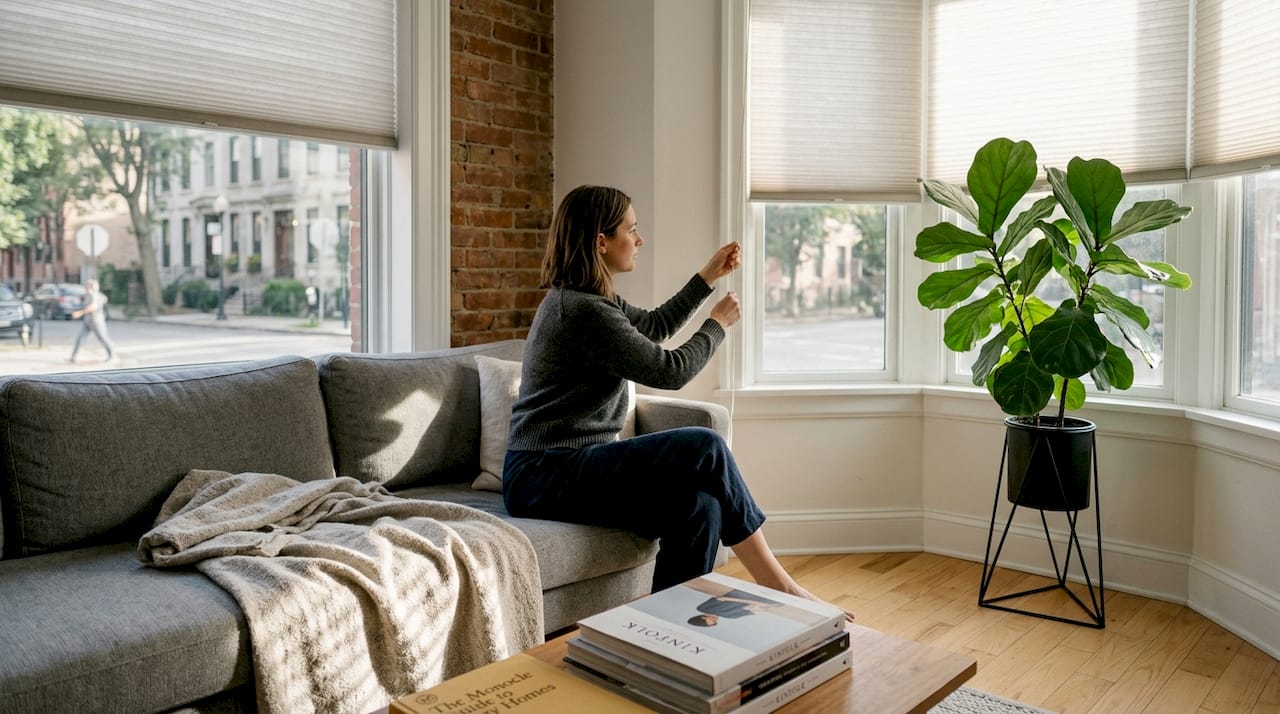
One area where design and function must work together is the bay window or angled window. These are among the trickiest configurations in any home. Minimal stack depth shades like cellular models help avoid collisions in bay windows, blending function with design seamlessly. The slim profile keeps treatments from bumping into each other when raised, which matters especially in tight corner configurations.
Pro Tip: Before ordering any shade for a bay window, visualize the fully raised position. If two adjacent shades would touch or overlap at the top, you need a lower stack depth option like a cellular or slim roller shade.
Choosing a cordless blinds selection also plays into aesthetics. Cords break the clean visual line of a window treatment. Removing them produces a cleaner, more streamlined look that suits both modern and transitional interiors beautifully.
| Design element | Visual impact | Best application |
|---|---|---|
| Sheer fabric | Opens and brightens space | Living rooms, sunrooms |
| Blackout lining | Creates depth and enclosure | Bedrooms, media rooms |
| Textured weave | Adds warmth and dimension | Dining rooms, offices |
| Flat roller | Minimal, modern backdrop | Kitchens, modern spaces |
| Cellular pleats | Sculptural, structured look | Bay windows, formal rooms |
Choosing the right type: A comparison of leading blinds and designs
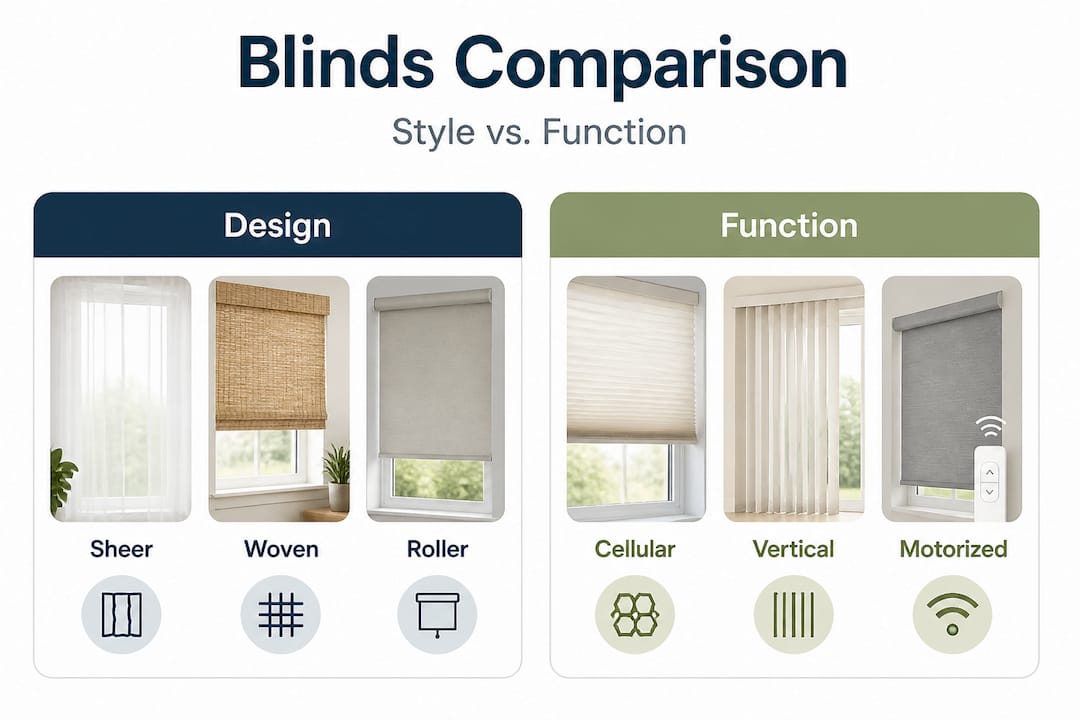
Now that you understand how aesthetics work, the next step is matching the right product to your window and lifestyle. The market offers a wide range of solutions, but four styles cover the majority of residential needs: cellular shades, roller shades, vertical blinds, and woven/natural shades.
Cellular shades are the most versatile option for challenging windows. Their honeycomb construction traps air, providing insulation that reduces energy costs. They come in single-cell, double-cell, and triple-cell configurations, with more cells delivering better insulation. Their slim profile makes them ideal for bay or angled windows because specialized brackets and minimal stack depth shades suit these configurations better than bulkier alternatives.

Roller shades are clean, contemporary, and the easiest to customize. You can choose from hundreds of fabrics, opacity levels, and colors. They work in almost any room and are particularly effective in open-plan spaces where you want visual continuity across multiple windows. Browse roller shades options to get a sense of how broad the range actually is when you can specify exact dimensions, fabric, and opacity.
Vertical blinds work best for sliding glass doors and very wide windows. They allow easy passage while still controlling light from the sides. They aren’t the most fashionable option, but they remain highly practical for patio doors where horizontal treatments would be impractical.
Woven and natural shades bring an organic, textural quality that no synthetic fabric fully replicates. Bamboo, jute, and seagrass options pair well with coastal, bohemian, and warm-contemporary interiors. They filter light beautifully while adding an earthy depth to any room.
| Blind type | Privacy | Insulation | Design flexibility | Best window type |
|---|---|---|---|---|
| Cellular shades | High | Excellent | Moderate | Bay, angled, standard |
| Roller shades | High | Moderate | Very high | All standard windows |
| Vertical blinds | Moderate | Low | Low | Sliding doors, wide windows |
| Woven/natural shades | Moderate | Low | Moderate | Living rooms, dining rooms |
Pro Tip: For rooms that need both privacy and light, consider a dual-shade setup with a sheer roller in front and a blackout panel behind. This gives you full control across the day without sacrificing either function.
Understanding the benefits of cordless shades is also critical at this stage. Beyond child safety, cordless designs eliminate the tangled, fraying cord problem that shortens the lifespan of traditional blinds. They also simplify the raising and lowering process, especially on wider shades where cord tension can become uneven.
Additional factors to evaluate before purchasing:
- Inside vs. outside mount: Inside mounts create a cleaner look; outside mounts cover more of the wall and are better for light control
- Headrail width: Narrow headrails suit modern aesthetics; deeper headrails accommodate more complex operating systems
- Stack depth: Matters most in bay windows, angled windows, and anywhere two shades meet at a corner
- Control placement: Consider which side of the window is easiest to reach
Technology and safety: Cordless and motorized innovations
The window treatment industry has changed dramatically over the last decade. What used to require a contractor and a wall switch is now available as a plug-and-play motorized shade you can control from your phone. This shift is driven by two things: the growth of smart-home ecosystems and an increased awareness of corded blind safety hazards.
Motorized blinds offer convenience and smart-home integration, and both motorized and cordless designs are safer than corded models, though motorization requires battery maintenance. That last point is worth noting. Rechargeable battery-operated motors are now the most common residential solution, and they typically need recharging once or twice a year depending on usage frequency.
How to integrate motorized blinds into your home:
- Identify which rooms would benefit most. High or awkward windows, large installations, and bedrooms are the top candidates.
- Choose your control method. Options include wall switches, remote controls, smartphone apps, and voice commands via Alexa or Google Home.
- Select a motor type. Rechargeable battery motors require no wiring. Hardwired motors are more powerful but need an electrician.
- Group your shades into scenes. Most smart systems let you set “Morning,” “Movie,” and “Sleep” scenes that adjust multiple shades simultaneously.
- Schedule automation. Program shades to open at sunrise or close when the afternoon sun hits a specific angle.
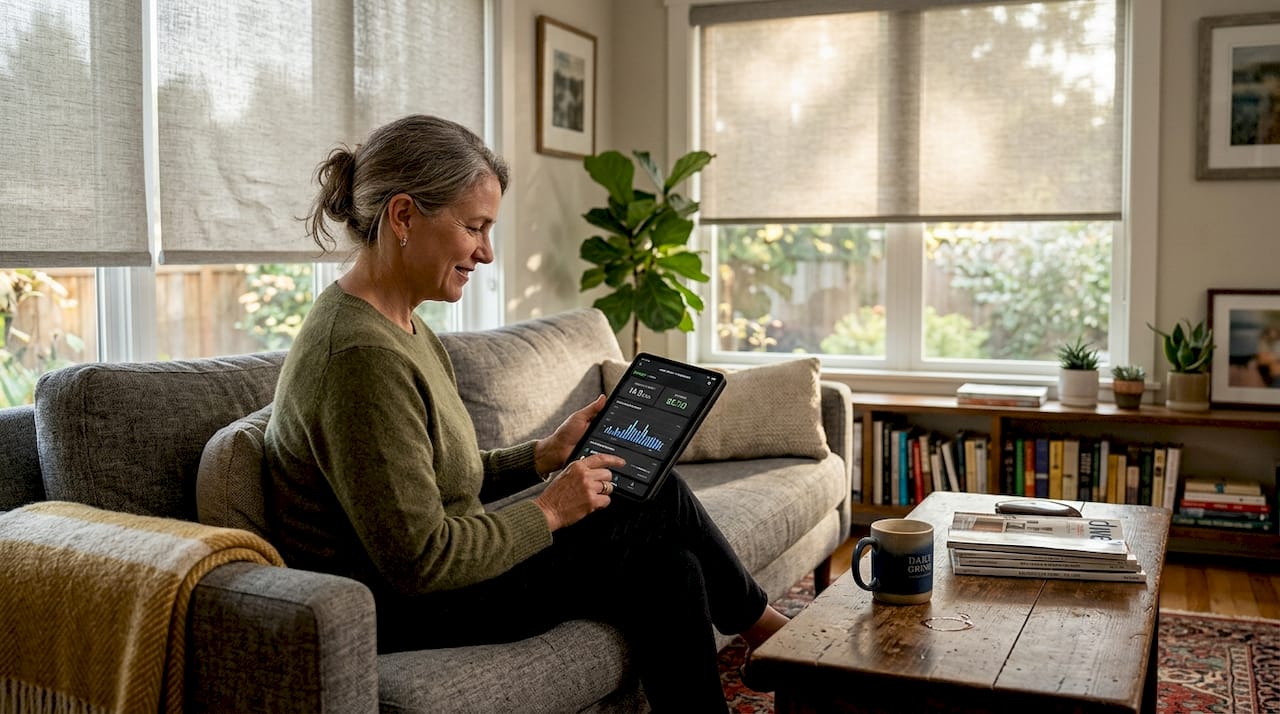
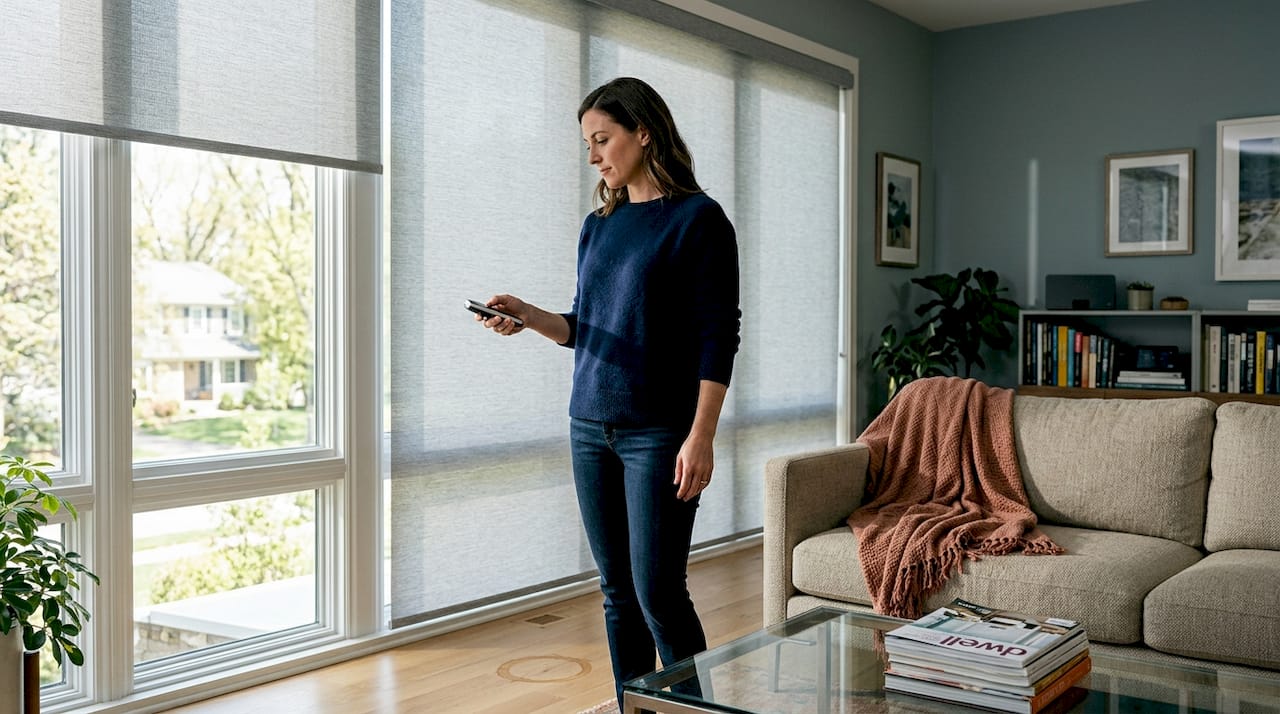
Learn how remote control motorized blinds work in practice before committing to a system. Understanding the range, battery type, and app compatibility will save you from purchasing a motor that doesn’t work with your existing smart-home hub.
The smart blinds benefits extend beyond convenience. Automated shades that respond to time of day or sun position can meaningfully reduce your HVAC load. Closing cellular shades during peak afternoon heat keeps rooms cooler without air conditioning running at full capacity. The energy-saving benefits of motorized cellular blinds are particularly well-documented, with controlled shading reducing summer heat gain and winter heat loss across standard residential windows.
Pro Tip: If you’re hesitant about motorizing your entire home at once, start with the bedroom. Waking up to automatically opening shades is one of those small daily upgrades that genuinely improves quality of life and makes it easy to justify expanding the system.
Why cordless and motorized designs are worth the switch:
- No cord loops means dramatically reduced risk for young children and pets
- Cleaner visual appearance with no dangling hardware
- Consistent operation without tangling or uneven tension
- Smart-home compatibility opens up scheduling and automation
- Longer product lifespan due to gentler, more consistent mechanical action
Customization tips: Blinds and designs made for your space
This is where most purchases either succeed or disappoint. Getting the right custom blind comes down to precise measurement, thoughtful material selection, and avoiding a handful of common errors.
Measuring for standard windows follows a simple rule: measure width first, height second. For inside-mount shades, measure at three points across the width (top, middle, bottom) and use the smallest measurement. For height, measure from the top of the opening to the sill. Always measure to the nearest 1/8 inch.
Bay windows require more care. Bay and angled windows need corner deductions of 1/4 to 1/2 inch and specialized brackets to avoid collisions between adjacent shades. This deduction allows enough clearance so adjacent panels don’t press against each other when raised. Skipping this step is the single most common mistake in bay-window installations.
“The best window treatment for any room is the one you never notice. When blinds and designs disappear into the space and simply enhance what’s already there, that’s the goal achieved.”
Color and fabric selection tips:
- Pull color from existing upholstery or artwork rather than the wall color. Walls change. Furniture stays.
- In north-facing rooms, warm-toned fabrics counteract cool, flat light
- In south-facing rooms, light-filtering fabrics prevent glare without sacrificing brightness
- Woven textures read as warm; flat fabrics read as modern and neutral
- Blackout linings are available in most fabric types, so you don’t have to sacrifice aesthetics for function
Mounting and hardware pitfalls to avoid:
- Not checking window depth before ordering an inside mount. Most inside mounts need at least 2 inches of depth to sit flush.
- Ignoring the headrail material. Aluminum is lighter and better for very wide shades. Vinyl headrails work well for most standard installations.
- Ordering without accounting for obstructions. Handles, locks, and cranks inside the window frame can interfere with shade operation if not measured around.
For homeowners who already have blinds they love but want smarter control, explore DIY blind motorization kits. These retrofit solutions let you add motorization to existing roller or cellular shades without replacing the entire unit, which is a cost-effective way to modernize a room without starting from scratch.
Pro Tip: Order fabric swatches before committing to a color or material. Natural light changes how fabrics read throughout the day, and what looks perfect on a screen may read warmer or cooler once it’s in your actual space.
Our take: The future of blinds and design is seamless integration
The window treatment industry loves to talk about trends, and right now the conversation centers around minimalism, smart home integration, and sustainability. All of that is accurate, but it misses a more important shift happening in how homeowners actually make decisions.
The most significant change isn’t the technology itself. It’s the expectation that window treatments should require zero daily thought. The ideal outcome isn’t beautiful blinds that you operate manually with care. It’s beautiful blinds that operate themselves, quietly, correctly, and invisibly. When you walk into a room and the light is exactly right without anyone adjusting anything, that’s when design and technology have truly converged.
We’ve seen homeowners who invest in premium fabrics and stop there. They have gorgeous Roman shades that they never open because the manual lift on a large shade is too much effort. The aesthetic value is real but the functional value is wasted. Motorization fixes this completely. And the motorized roller trends reflect this shift clearly. Homeowners are choosing automation not just for the tech appeal but because it actually makes them use and appreciate their window treatments more.
The other area where conventional wisdom falls short is in how people approach customization. Most guides tell you to match your blinds to your walls. We’d push back on that. Match your blinds to your light. A room’s character is defined by how light moves through it across the day, and your window treatments are the primary tool for shaping that movement. Choose fabrics and opacities based on your sunrise orientation, afternoon sun angle, and how you actually use each room hour by hour. That thinking produces results that feel intentional and lived-in rather than just coordinated.
Bring your blinds and design vision to life
Choosing window treatments gets much easier when you have the right tools and support behind you. At Value Blinds, we’ve built resources specifically for homeowners and designers who want results that feel custom without the guesswork.
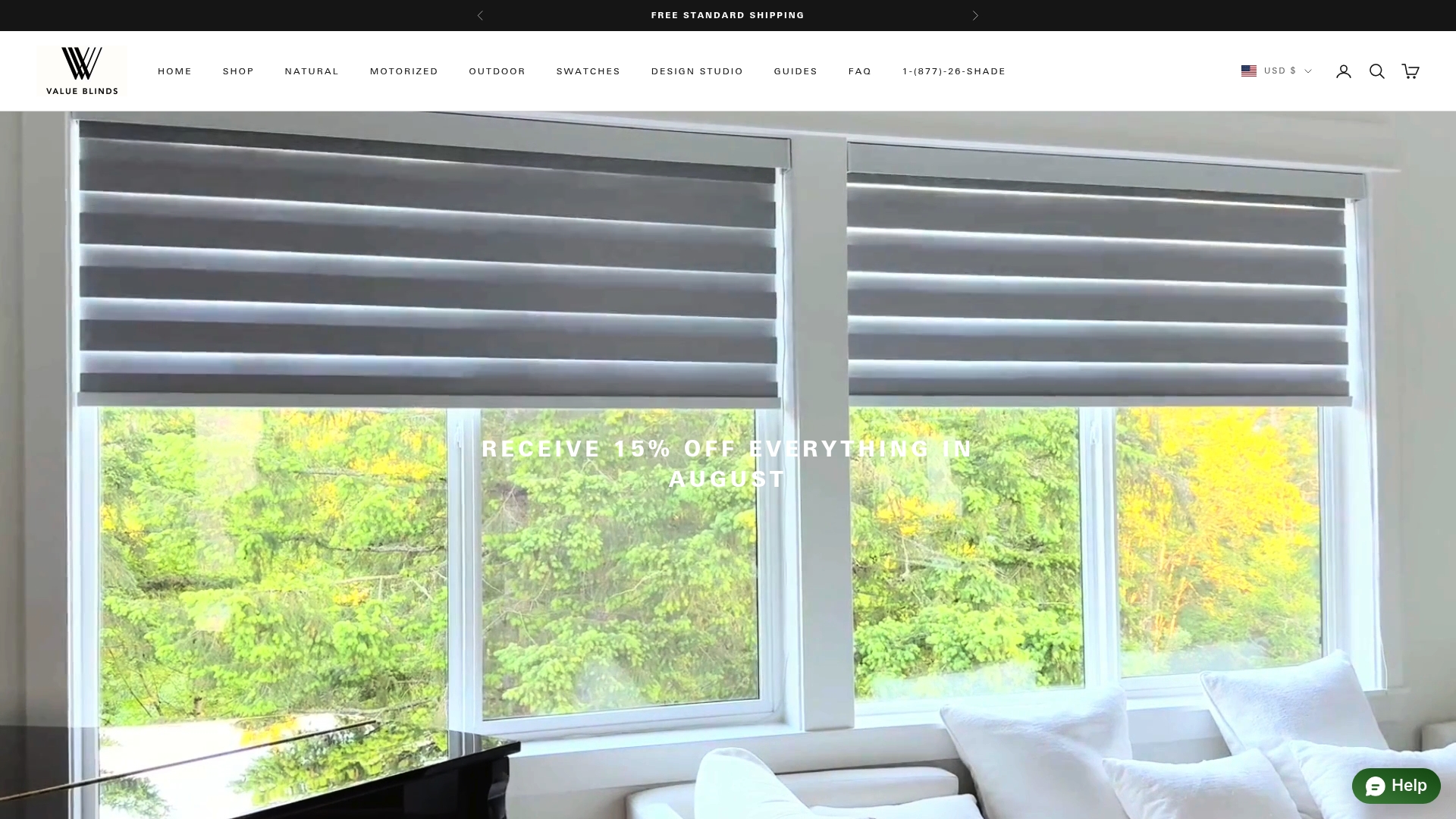
Start with our design studio consultation to visualize how different styles will look in your actual space before ordering. If you’ve already decided on a direction, our shop cordless blinds collection covers everything from sleek modern rollers to classic cellular shades, all available with precise custom sizing. For those who want texture and smart convenience together, our natural woven shades with motorization deliver that combination beautifully. Free swatches, expert support, and detailed measurement guides are all available on site to help you move from inspiration to installation with confidence.
Frequently asked questions
What’s the best blind style for bay windows?
Cellular shades with minimal stack depth are ideal for bay windows because they prevent collisions between adjacent panels and maximize usable space at the top of each window section.
Are motorized blinds worth it for home use?
Yes. Motorized blinds deliver convenience and smart-home integration while being significantly safer than corded models, making them a practical investment for most residential settings.
How do I measure windows for custom blinds?
Measure width at three points and use the smallest number. For bay or angled windows, apply corner deductions of 1/4 to 1/2 inch per section to allow clearance between adjacent shades.
Are cordless or motorized shades safer for homes with children?
Both options are significantly safer than corded blinds. According to safety standards, motorized and cordless designs eliminate the looped cord hazard that poses a strangulation risk for young children and pets.