
Cheap Motorized Blinds: Best Budget Options for Your Home
The three cheapest practical routes to motorized blinds are retrofit motor kits, off-the-shelf plug-and-play motorized shades, and budget custom motorized options from vendors like Valueblindsdirect. Each route hits a different sweet spot between cost, effort, and smart-home capability.
Here’s what each one typically costs:
- Retrofit motor kits: Entry price is generally low per window; total cost depends on how many blinds you already own. You keep your existing fabric and just add the motor. Best for people who love their current blinds but hate the cord.
- Off-the-shelf plug-and-play motorized shades: Generally low to mid-range priced per shade for basic models. Ready to hang, remote included, no measuring drama. Community threads on Reddit confirm sub-$100 options do exist, though sizing is fixed.
- Budget custom motorized options (like Valueblindsdirect): Typically moderate priced per shade depending on fabric and size, but you get a made-to-measure fit, free swatches, and warranty support.
Two trust signals worth checking before you buy: a clear warranty (at least one year on the motor) and a free swatch program so you’re not guessing on fabric color. Your next step? Measure your windows, order a swatch, and pick the route that fits your situation.
Key Takeaways
Budget motorized blinds are most affordable when you match the route (retrofit, off-the-shelf, or budget custom) to your window condition, sizing needs, and smart-home setup.
| Point | Details |
|---|---|
| Retrofit kits save the most | At $30–$80 per window, retrofit kits are cheapest when your existing blinds are in good shape. |
| Off-the-shelf shades offer lowest friction | Pre-sized motorized shades at $50–$150 install in under an hour with no custom measuring required. |
| Smart-home hubs add cost | Many budget motors need a $30–$100 hub for voice or app control; native Wi-Fi or Matter avoids that. |
| Swatches prevent expensive returns | Always order a free fabric sample before committing to any custom or semi-custom motorized shade. |
| Valueblindsdirect for custom fit | Valueblindsdirect offers budget custom motorized shades with free swatches, measurement guides, and warranty support. |
Table of Contents
- What are the cheapest ways to get motorized blinds?
- Which blind styles are easiest and cheapest to motorize?
- How does smart-home compatibility actually work with cheap motorized blinds?
- How do you install motorized blinds yourself, and when should you call a pro?
- What do motorized blinds actually cost, and how do you save money?
- How do you choose the right budget motorized blind for each window?
- What budget buyers actually choose, and why it matters
- Valueblindsdirect makes budget custom motorized shades less risky
- Sources
What are the cheapest ways to get motorized blinds?
You’ve got three real paths here, and each one makes sense in a different situation. 😊
Retrofit motor kits
A retrofit kit replaces the manual mechanism in your existing blinds with a small battery-powered or wired motor. You keep the fabric you already have. According to CNET’s smart blinds testing, retrofitting existing blinds with third-party motor kits is often the most cost-effective motorization route for budget shoppers, especially when the existing hardware is in good shape.
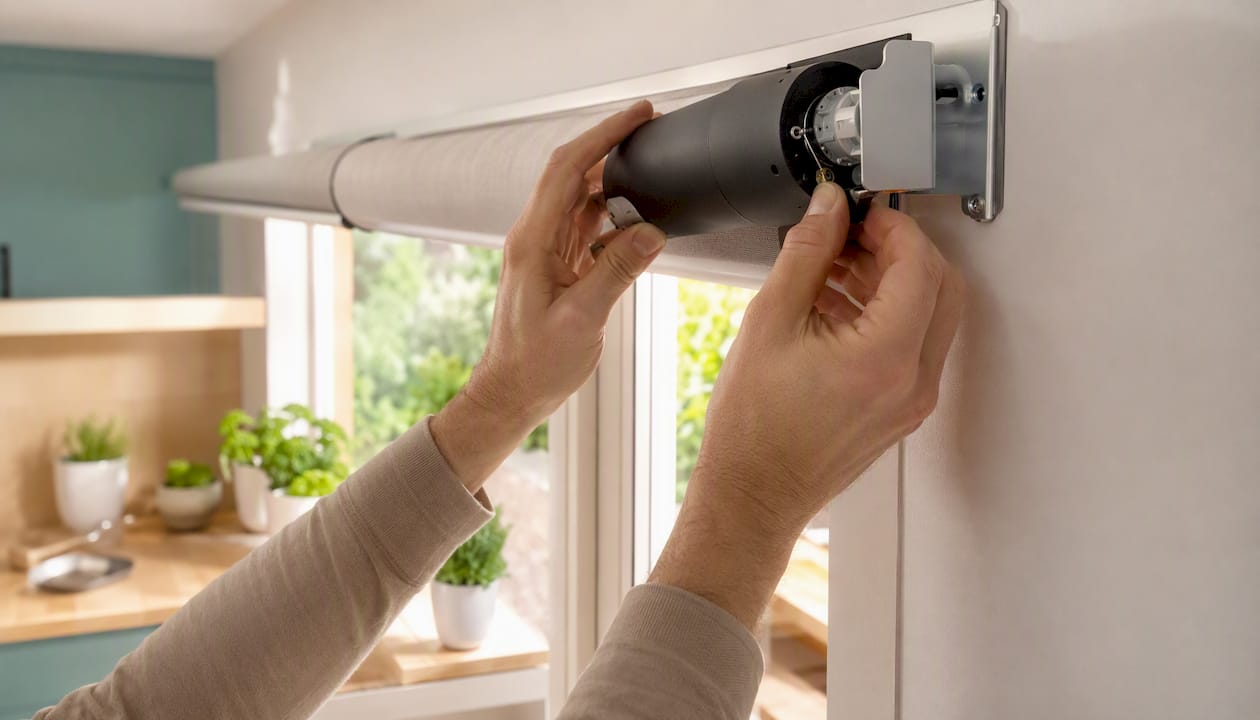
The trade-off? The motor housing can be visible, and some kits work better with certain blind styles than others. Roller shades and horizontal blinds tend to be the easiest candidates.
Off-the-shelf plug-and-play motorized shades
These come ready to hang. You get a remote, a motor, and a shade in one box. Installation is usually under 30 minutes, and many include a basic RF remote out of the box. The catch is fixed sizing: if your window is an odd width, you’ll be trimming fabric or living with gaps.
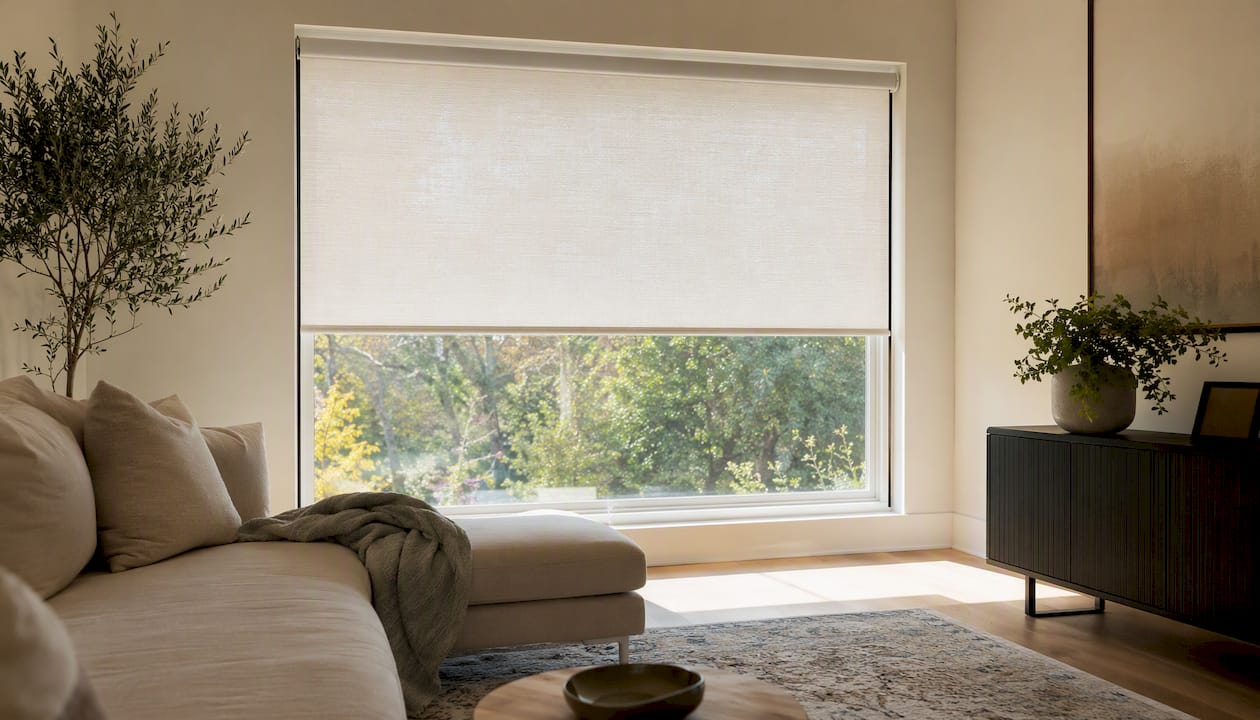
Smart-home features vary a lot here. Some include Wi-Fi or Bluetooth natively; others need a hub to connect to Alexa or Google Home. Check the listing carefully before you buy.
Budget custom motorized options from Valueblindsdirect
This is the route that gets you a made-to-measure shade without the luxury price tag. Valueblindsdirect offers motorized options across multiple fabric types, with measurement guides and free swatches to help you get it right the first time. You pay a bit more than a basic off-the-shelf shade, but you avoid the ugh moment of a shade that’s two inches too narrow.
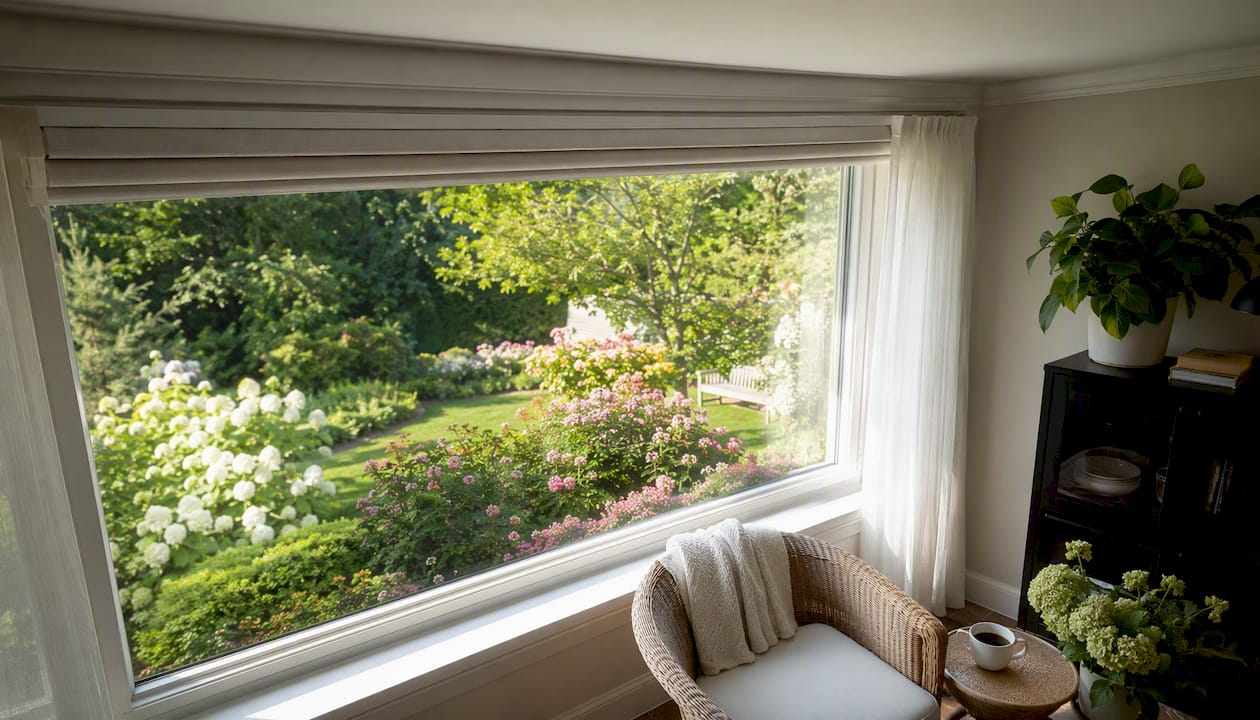
Pro Tip: Choose retrofit if your existing blinds are less than five years old and the fabric is in good shape. Replace with a new motorized shade if the fabric is worn, you need blackout performance, or you want a cleaner motor profile.
Which blind styles are easiest and cheapest to motorize?
Style choice has a bigger impact on motorization cost than most people realize. Here’s how the main styles stack up:
- Roller shades: The easiest and cheapest to motorize. The tubular motor fits neatly inside the roller, keeping the profile clean. Light-filtering and blackout fabrics are both available, and the simple mechanism means fewer compatibility headaches. These are the go-to for motorized window shades with remote on a budget.
- Cellular (honeycomb) shades: Also very motor-friendly and a solid pick for energy efficiency. Single-cell versions cost less than double-cell; both work well with standard tubular motors. Battery life tends to be good because the lightweight fabric doesn’t strain the motor.
- Zebra (dual-layer) shades: A step up in price because the dual-fabric mechanism adds complexity. Still motorizable, but expect to pay more for the motor and the shade itself.
- Roman shades: Motorization works, but the fabric folds and lift cords add mechanical complexity. More expensive to motorize than roller or cellular, and heavier fabrics can shorten battery life noticeably.
- Horizontal (Venetian) blinds: Motorization is possible but less common in budget options. The tilt-and-lift mechanism requires a more specialized motor, which pushes cost up.
Blackout fabrics are heavier than light-filtering ones, so they draw more power per cycle. If you’re going battery-operated, a light-filtering cellular shade will give you significantly longer battery life between charges than a heavy blackout roller.
Pro Tip: For remote blinds for high windows where you can’t easily reach a charging port, choose a rechargeable motor over disposable batteries — and pick the lightest fabric that still meets your light-control needs.
How does smart-home compatibility actually work with cheap motorized blinds?
Here’s the honest answer: not all cheap motorized blinds are smart-home native. Many budget motors use a basic RF remote and nothing else. To get voice control or app scheduling, you often need an extra hub or bridge, and that adds cost. CNET’s smart blinds review confirms that smart-home compatibility varies widely, with many standard motorized shades requiring a bridge or hub to enable voice control or mobile scheduling.
The main protocols you’ll encounter:
- Bluetooth: Short range, no hub needed for basic app control. Works fine for a single room; less practical for whole-home automation.
- Wi-Fi: Native app and voice control without a hub. Convenient, but can drain batteries faster and may require a stable 2.4 GHz network.
- Zigbee / Z-Wave: Reliable and low-power, but you need a compatible hub (like SmartThings or a Zigbee coordinator). The Qubino Shades Remote Controller is a good example of how a multi-channel Z-Wave controller can bring standard motorized shades into a smart-home ecosystem, operating up to nine shades through compatible gateways.
- Matter: The newest standard. Matter-compatible motors work across Apple Home, Google Home, Amazon Alexa, and SmartThings without brand-specific bridges. GE’s Smart Shade line shows what this looks like in practice: rechargeable batteries rated up to six months per charge, quiet operation, and Matter support that skips the hub entirely.
Typical hub or bridge costs can be moderate for a Zigbee or Z-Wave hub, and most are subscription-free once purchased. That’s a real line item to add to your budget if your chosen motor doesn’t have native Wi-Fi or Matter support.
Pro Tip: If you’re outfitting more than three windows and already own a smart-home hub, a Zigbee or Z-Wave motor is usually the most cost-effective path. For one or two windows with no existing hub, a native Wi-Fi or Matter shade saves you the hub purchase and the setup headache. Check out Valueblindsdirect’s smart-home integration guide for a deeper look at connecting shades to common platforms.
How do you install motorized blinds yourself, and when should you call a pro?
DIY installation is genuinely doable for most battery-operated and rechargeable motorized shades. Here’s the basic flow:
- Measure your window — width and height, inside or outside mount. Double-check before ordering. A measurement guide from your vendor (Valueblindsdirect has one built into the ordering process) prevents the most common and expensive mistake.
- Choose your motor kit or shade — match the motor’s weight capacity to your fabric and window size.
- Mount the brackets — most motorized shades use the same bracket style as manual ones. Inside-mount takes about 10 minutes per window with a drill.
- Hang the shade and attach the motor — for retrofit kits, this is where you swap the old mechanism for the motor tube.
- Pair with your remote or hub — follow the pairing instructions. Most RF remotes pair in under two minutes; app-based pairing takes a bit longer.
- Test the full travel — run the shade up and down, set your upper and lower limits, and confirm the remote range covers your room.
For a single standard window, expect 20–45 minutes if you’ve done it once before. First-timers should budget an hour.
When to call a pro: Large windows (anything over 72 inches wide), wired hardwired motors, ceiling-mount applications, or any situation involving running new electrical — these are worth a professional visit. Hardwired motors require connecting to your home’s electrical system, which is not a DIY job unless you’re a licensed electrician. Check smart-home wiring guidance if you’re weighing the wired route. Also note: some manufacturer warranties are voided by non-professional installation on hardwired products, so read the fine print before you start. For a full step-by-step walkthrough, Valueblindsdirect’s motorized blinds installation guide covers both DIY and pro scenarios.
Pro Tip: If you’re renting, stick to battery-operated or rechargeable shades with no-drill or tension-mount brackets. No holes, no deposit drama.
What do motorized blinds actually cost, and how do you save money?
Here’s a realistic price breakdown across the three main routes:
| Approach | Entry Price | Typical Range | What Pushes Cost Up |
|---|---|---|---|
| Retrofit motor kit | low entry price | low to moderate cost per window | Heavier blinds, wired power option |
| Off-the-shelf motorized shade | low entry price | low to mid-range per shade | Larger widths, smart-home features |
| Budget custom motorized shade | moderate entry price | moderate to higher cost per shade | Wider windows, premium fabrics, blackout |
Practical ways to shave cost off any motorized project:
- Buy single-width shades rather than wide shades split across one motor — smaller motors cost less and are easier to find at budget price points.
- Choose rechargeable motors over disposable-battery models. The upfront cost is similar, but you avoid ongoing battery replacement costs.
- Watch for seasonal sales — window treatment discounts tend to cluster around major holidays and end-of-season clearances.
- Order free swatches first so you don’t pay for a shade in the wrong color or opacity. Valueblindsdirect offers a free swatch program that saves you from a costly return.
- Use buy-now-pay-later options if your project covers multiple windows. Many sellers support installment payment through services like PayPal Credit, which can spread a larger order over several months.
On energy savings: motorized shades can reduce solar heat gain in summer and retain warmth in winter when programmed to open and close at the right times. The actual savings depend on your climate, window orientation, and fabric type. Cellular shades offer the best insulating performance of the common motorized styles, which makes them a smart pick if energy efficiency is part of your budget calculation. For a deeper look at energy-efficient window choices and potential rebates, this guide on energy-efficient windows covers the topic well.
How do you choose the right budget motorized blind for each window?
A quick checklist before you commit to anything:
- Window size: Measure width and height twice. Note whether you want inside or outside mount.
- Fabric type: Blackout for bedrooms, light-filtering for living areas. Heavier fabric = bigger motor needed.
- Power source: Battery or rechargeable for renters and hard-to-wire spots; wired for permanent installs with easy electrical access.
- Smart-home protocol: Know what hub (if any) you already own before choosing a motor protocol.
- Warranty: Look for at least a one-year motor warranty. Read whether DIY installation affects coverage.
- Swatches: Always order a sample before buying. Color on a screen rarely matches color on your wall.
- Installation support: Does the vendor provide a measurement guide? A design studio? These reduce mistakes.
Questions worth asking before you buy:
- Is a hub or bridge required for app or voice control, or is it included?
- What is the battery life estimate, and is the battery rechargeable or replaceable?
- Does the remote come included, or is it sold separately?
- What is the return policy if the shade arrives and doesn’t fit?
- Is the warranty voided by DIY installation?
Red flags to avoid: Any listing that doesn’t specify hub requirements for smart-home features, shades with no stated warranty, and vendors who don’t offer measurement guides or sample swatches. A cheap shade with no return policy and no measurement help is rarely actually cheap once you factor in a misfit return. Checking platforms like Trustpilot for real customer experiences with installation and support is a smart move before committing to any vendor.
What budget buyers actually choose, and why it matters
Most budget buyers start with one of two routes: a retrofit kit for windows where they already have decent blinds, or a basic off-the-shelf motorized shade for a room where they’re starting fresh. Both are solid entry points. The retrofit path wins on raw cost; the plug-and-play shade wins on simplicity.
Where things get interesting is the upgrade path. Buyers who start with a retrofit kit often find themselves wanting better fabric or a cleaner motor profile within a year or two. That’s when a budget custom option from a vendor like Valueblindsdirect starts making more sense — you get a made-to-measure shade with real warranty backing, and the price gap versus a luxury custom shade is significant.
The practical sweet spot for most budget shoppers: start with swatches, confirm your measurements with a guide, and choose battery or rechargeable power based on window location. Skipping the swatch step is the single most common mistake — and it turns a cheap upgrade into an expensive return.
Valueblindsdirect makes budget custom motorized shades less risky
Skipping the custom route because it sounds expensive is understandable, but Valueblindsdirect closes that gap more than most people expect. You get made-to-measure motorized shades with real measurement support, free fabric swatches, and warranty coverage — without the luxury-brand price tag.
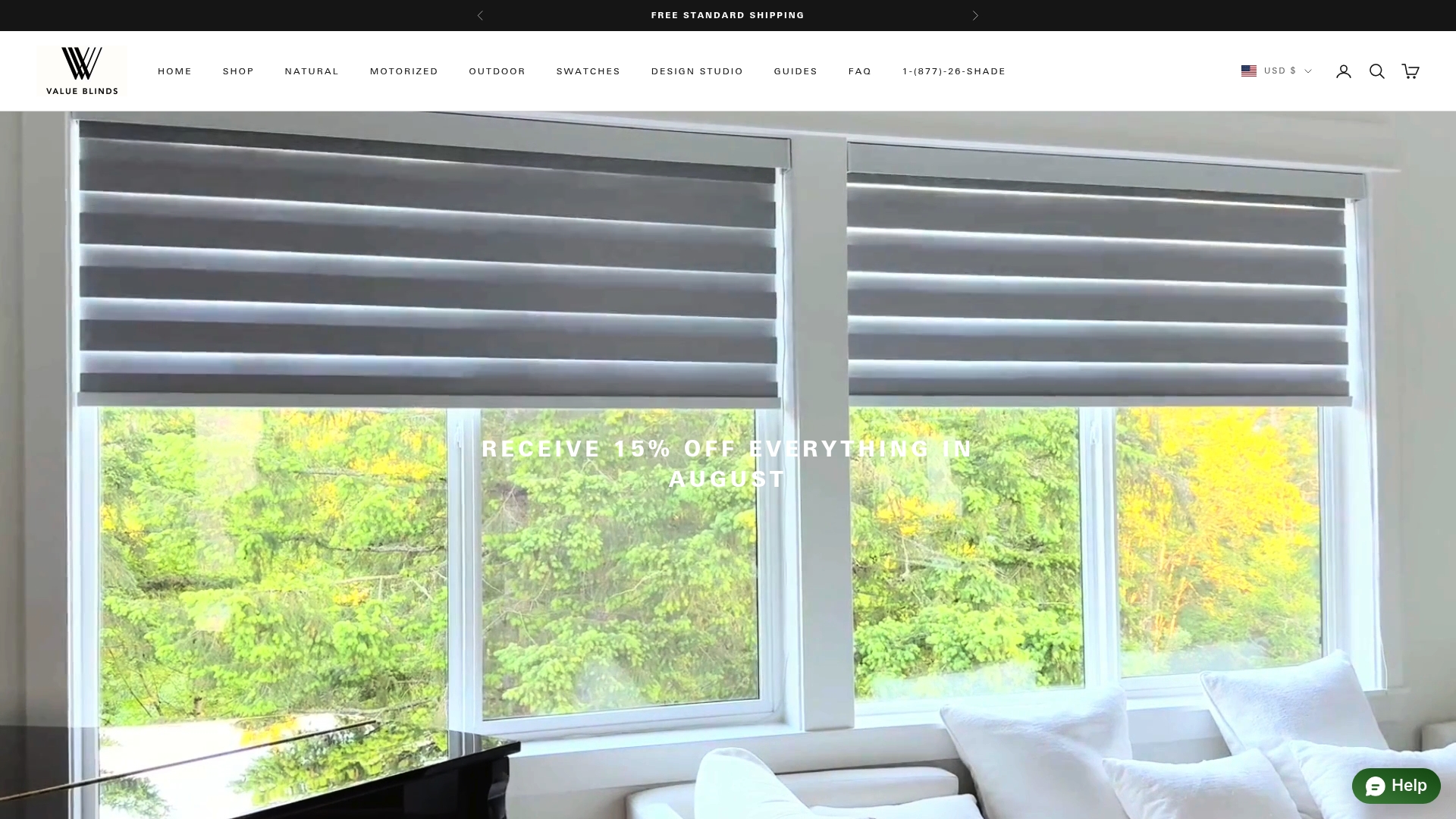
The product lineup covers motorized cellular shades, motorized zebra shades, and natural woven motorized options — all available in blackout and light-filtering fabrics, with rechargeable motor options where available. The Window Treatment Design Studio walks you through sizing, fabric selection, and motor choice before you spend a dollar. Order your free swatches, plug your measurements into the design tool, and get a custom motorized shade that actually fits. 🎉
Sources
- Best smart blinds for 2026, tested and reviewed - CNET
- Best (budget) motorized blinds, with custom size options? - Reddit
- GE Smart Shade, Motorized Window Blind with Matter & Remote Control, Easy Install, White Hardware, Blackout Grey Fabric, Quiet Operation, 34” Width, Adjustable Length, 1 Shade
Recommended
- Motorize Existing Blinds: Save $500 with DIY Kits in 2026
- Motorized Blinds Advantages – Expert Comparison 2025
- Budget-Friendly Blind Options for Every Room in 2026
- Motorized Blinds: Enhance Your Home with Convenience and Style

Value Blinds®
Trusted window treatments provider
Value Blinds® is a trusted provider of Greenguard, OEKO-TEX, and FSC-certified window treatments based in Portland, Oregon. Specializing in sustainable, motorized, smart-controlled, and outdoor-ready blinds and shades, the company is built on a foundation of simplified shopping, premium eco-friendly materials, and transparent pricing without the inflated cost.